

WeVote

Bill

Bill

HR 6692

FUBAR Act

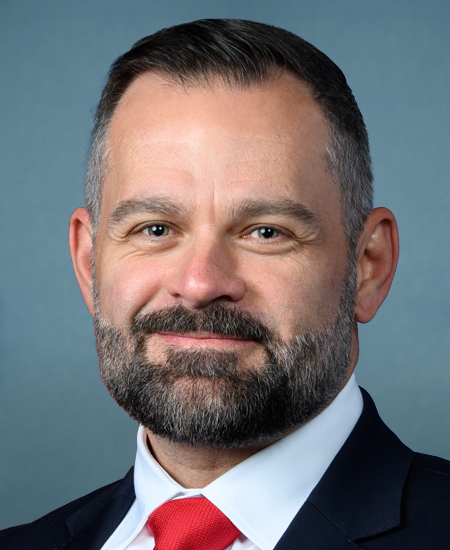
119th Congress Introduced by Cory Mills

H.R.6692 would cut every Member’s pay to $1/day during any federal funding lapse caused by failed appropriations, applying after the next general election

Introduced in House
0
WeVote Research Nonpartisan
Bill Summary · HR 6692

Bill Summary: H.R. 6692 – The FUBAR Act

Overview

  • Bill Number & Title: H.R. 6692, “Failed to Uphold the Budget? Allowance: Reduced Act” (short title: the FUBAR Act)
  • Sponsor: Mr. Mills
  • Introduced: December 12, 2025
  • Status: Introduced in the House; referred to the Committee on House Administration and the Committee on Oversight and Government Reform
  • Purpose: To reduce the pay of Members of Congress on days when there is a lapse in appropriations due to the failure to enact a regular appropriations bill or a continuing resolution.

What the bill would do (Key Provisions)

  • Mandatory pay reduction during a lapse in appropriations

    • If, on any day during a session of Congress, there is a lapse in appropriations for any federal agency or department caused by the failure to enact a regular appropriations bill or a continuing resolution, the pay rate for each Member of Congress would be reduced to $1 per day for the duration of that lapse.
    • The period of reduction runs from the first day of the lapse to the last day of that session during which the lapse occurs.
  • Who is affected

    • The term “Member of Congress” is defined to include individuals serving in positions described under subparagraphs (A), (B), or (C) of section 601(a) of the Legislative Reorganization Act of 1946 (2 U.S.C. 4501). This aligns the bill’s scope with the typical statutory definition of members of Congress.
  • Effective date and applicability

    • The pay-reduction provision applies to days occurring after the date of the next regularly scheduled general election for Federal office following the enactment of the bill. In other words, it would not apply immediately upon enactment, but would take effect for cycles following the next general election after enactment.

Practical Impact and Implications

  • Incentive structure during funding gaps: The bill creates a financial penalty (in the form of drastically reduced pay) for lawmakers during federal funding gaps caused by failures to pass the annual appropriations bills or CRs.
  • Budget and accountability signaling: By tying pay to the appropriations process, the act formalizes a consequence intended to influence budgeting negotiations.
  • Budget constraints on lawmakers: The $1/day pay during a lapse would be a symbolic reduction that highlights accountability concerns during funding stalemates.

Procedural Timeline

  • Committee references: The bill was referred to:
    • Committee on House Administration
    • Committee on Oversight and Government Reform
  • Next steps (if progressed): The committees would consider the provisions, potentially amend, and report the bill back to the full House for debate and a vote. If passed by the House, it would move to the Senate or face negotiations with Senate versions.

Summary

H.R. 6692 seeks to impose a severe, automatic pay reduction for Members of Congress on any day a lapse in federal appropriations occurs due to failure to pass regular appropriations or a continuing resolution. The reduction would last for the duration of the lapse and would take effect after the next regularly scheduled general election following enactment. The bill targets the legislative pay structure as a tool to pressure timely budgeting.

Compiled from official sources — confirm details with the bill’s official record.

Sign in to ask a question.