

WeVote

Bill

Bill

HB 2610

FREE SPEECH-SIGNS & DISPLAYS

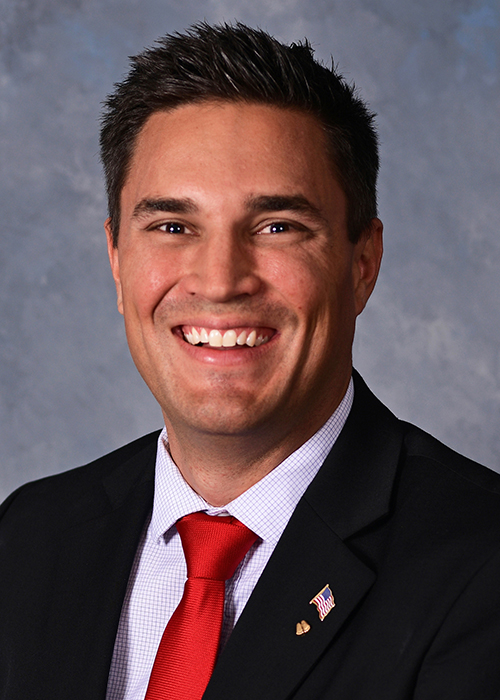
104th Regular Session Introduced by Adam Niemerg

Protects individuals' right to place signs on state-supported property and shields state actors from liability for that expression, with narrowly defined exceptions.

0
WeVote Research Nonpartisan
Bill Summary · HB 2610

HB 2610 — "Free Speech Protection Act" (Signs & Displays)

Status: Referred to Rules Committee
Introduced: February 10, 2025
Primary Sponsors: Adam M. Niemerg; (also listed) Nakamura

Purpose / Intent

The bill, titled the Free Speech Protection Act, is designed to protect individuals’ freedom of expression when they place signs or displays on state‑supported property (for example, public buildings, state campuses, or other property supported by government resources), subject to a narrow set of exceptions. It seeks to limit prior restraints on sign content and to shield state agencies, officials, and employees from liability for those private expressions.

Key provisions

  • Right to speak via signs/displays: A person who has received permission to place a sign or display on state‑supported property “has the right to exercise freedom of speech.” The bill bars prior restraint of materials prepared for such signs or displays except as provided in the bill’s exceptions.
  • Exceptions (conduct or content not protected): The bill does not authorize or protect expression that:
    • Is libelous, slanderous, or obscene;
    • Constitutes an unwarranted invasion of privacy;
    • Violates federal or state law;
    • A reasonable person would understand is intended to denigrate or ridicule the beliefs of a religion (including display of recognized or altered religious symbols in that manner);
    • Incites others to commit unlawful acts or to materially and substantially disrupt the orderly operation of the state‑supported property in question.
  • Burden on government to justify limitations: The bill text indicates that limitations must be justified by state officials, suggesting the government bears the burden of showing a permissible limitation (the draft language is partially garbled; see “Notes” below).
  • Liability protection: No state agency, official, or employee “shall be held liable in any civil or criminal action” for expression made through such a sign or display by the permitted person.
  • Effective date: The bill states it takes effect upon becoming law.

Who would be affected

  • Individuals, groups, or organizations placing signs or displays on state‑supported property (subject to whatever permission process exists);
  • State agencies and employees who manage or host displays (they would receive liability protection under the bill);
  • Potentially third parties who believe a display is defamatory, obscene, or unlawful (they would rely on the enumerated exceptions to seek remedy).

Potential impacts and issues

  • Expands content protections for permitted signage on public/state‑supported property and narrows government power to impose prior restraints.
  • Grants immunity to state actors for third‑party expression, which may reduce state exposure to lawsuits but could raise questions about responsibility for screening unlawful content.
  • Could generate litigation over definitions and scope: e.g., what constitutes “state‑supported property,” what process constitutes “permission,” how courts interpret the religion‑denigration and “material and substantial disruption” exceptions, and how liability protections interact with defamation and public‑safety laws.
  • Draft text contains some garbled/unclear passages (particularly about the governmental burden/justification standard); users should consult the official enrolled bill text for final language.

For the definitive legal effect, consult the bill as enrolled and any committee or floor amendments; this summary reflects the introduced/available draft language.

Compiled from official sources — confirm details with the bill’s official record.

Sign in to ask a question.