

WeVote

Bill

Bill

SF 5099

Fraud risk scoring and fraud risk score benchmarks requirement for grants to political subdivisions

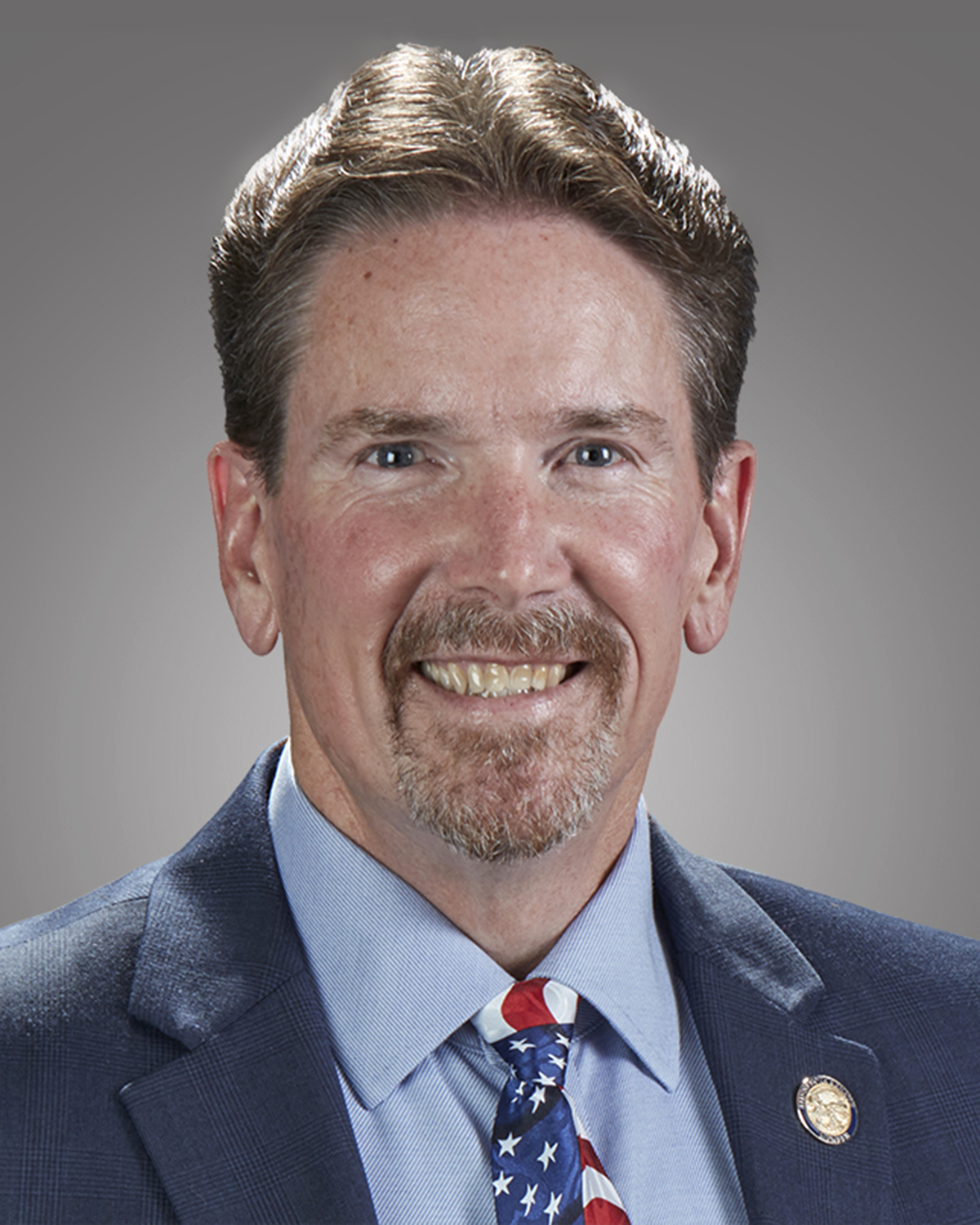
2025-2026 Regular Session Introduced by Mark Koran

Minnesota bill requiring state to develop fraud risk scoring systems and benchmarks for evaluating political subdivision grant recipients before fund disbursement.

Referred to State and Local Government
0
WeVote Research Nonpartisan
Bill Summary · SF 5099

Legislative bill overview

SF 5099 requires the state to develop and implement fraud risk scoring systems and establish fraud risk score benchmarks for grants distributed to political subdivisions (cities, counties, school districts, etc.). The bill mandates that grant recipients be evaluated using these standardized fraud risk metrics before funds are disbursed.

Why is this important

Grant fraud—where local officials or contractors misuse public funds—can undermine community services and erode public trust. Implementing standardized fraud risk scoring could help the state identify high-risk recipients before disbursing funds, potentially preventing losses. However, this adds administrative complexity and cost to the grant process, which may burden smaller municipalities with limited compliance capacity.

Potential points of contention

  • Compliance burden: Smaller political subdivisions with limited staff and resources may struggle to meet new fraud risk assessment requirements or could face delays in receiving needed funding
  • Scoring methodology: Questions about how fraud risk scores are calculated, what criteria are weighted, and whether the system fairly evaluates communities with different financial profiles and histories
  • False positives: Risk of legitimate grant applicants being incorrectly flagged or denied funding based on algorithmic assessments, potentially limiting economic opportunity in certain regions

Compiled from official sources — confirm details with the bill’s official record.

Sign in to ask a question.