

WeVote

Bill

Bill

HB 955

Forged Digital Likenesses - Distribution - Prohibition

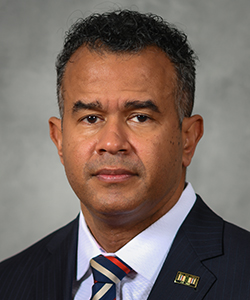
2025 Regular Session Introduced by C.T. Wilson

Maryland bill prohibits creating and distributing deepfakes of individuals without consent, establishing criminal penalties for non-consensual synthetic media of people's likenesses.

Withdrawn by Sponsor
0
WeVote Research Nonpartisan
Bill Summary · HB 955

Legislative bill overview

HB 955 would prohibit the creation and distribution of forged digital likenesses (deepfakes) of individuals without their consent in Maryland. The bill establishes penalties for unauthorized use of a person's likeness in synthetic or manipulated media, particularly focusing on non-consensual intimate imagery and identity fraud.

Why is this important

Deepfake technology has advanced rapidly, enabling creation of convincing fake videos and images that can be used for harassment, blackmail, election interference, and reputational harm. Without legal protections, victims have limited recourse when their likenesses are exploited without permission, making this an increasingly urgent public safety and personal privacy issue.

Potential points of contention

  • First Amendment concerns: Critics may argue the bill's restrictions on synthetic media could infringe on free speech rights, parody, satire, or political commentary protections
  • Definition and scope ambiguity: The breadth of "forged digital likeness" could be unclear—does it cover obviously comedic uses, artistic works, or only deceptive applications?
  • Enforcement challenges: Determining intent (fraudulent vs. entertainment), proving consent, and identifying creators across platforms presents practical difficulties for prosecution

Compiled from official sources — confirm details with the bill’s official record.

Sign in to ask a question.