

WeVote

Bill

Bill

SB 1386

FOIA OFFICERS

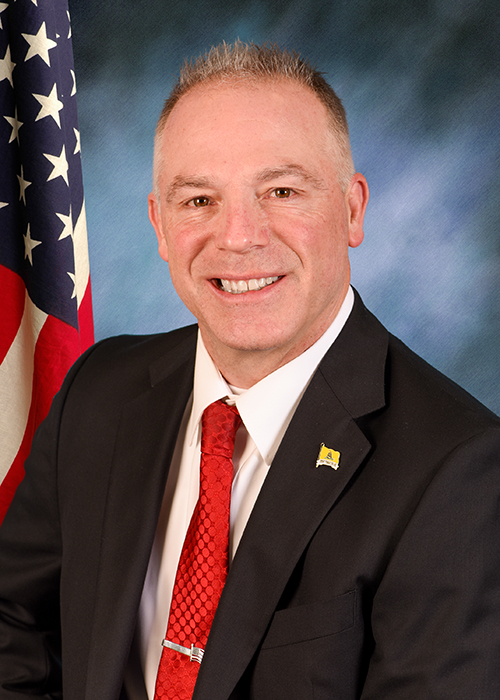
104th Regular Session Introduced by Craig Wilcox

SB 1386 requires every public body to designate FOI officers and train them within six months to improve timely responses and standardize FOIA handling.

Referred to Assignments
0
WeVote Research Nonpartisan
Bill Summary · SB 1386

Summary — SB 1386 (Freedom of Information Act: “FOIA Officers”)

Status: Referred to Assignments
Introduced: February 19, 2025
Subject: Amendments to the Freedom of Information Act (5 ILCS 140/3.5)

Purpose / Intent

SB 1386 clarifies and tightens the statutory role, duties, and training requirements for public bodies’ Freedom of Information (FOI) officers. The bill is intended to improve FOIA responsiveness and accountability by specifying who may serve as an FOI officer, outlining core duties, and establishing mandatory training.

Key provisions

  • Designation requirement
    • Each public body must designate one or more Freedom of Information officer(s) to receive and act on public records requests and to ensure timely responses under the FOIA.
  • Definition of “public body officials”
    • The bill defines “public body officials” to mean the elected or appointed office holders of the public body.
    • Explicitly excludes private attorneys and law firms that are appointed to represent the public body from the definition.
  • Duties of FOI officers (codifies existing practice in statute)
    • Receive FOIA requests and ensure timely responses.
    • Issue responses on behalf of the public body.
    • Develop a list of documents or record categories that will be disclosed immediately upon request.
    • On receipt of a written request, the officer must:
    • Note the date of receipt;
    • Compute and note the response-deadline date;
    • Maintain an electronic or paper copy of the request until compliance or final denial; and
    • Create a retention file with the original request, response copies, record of communications, and other related materials.
  • Training requirement
    • FOI officers must successfully complete an electronic training curriculum developed by the Public Access Counselor.
    • The bill requires successful completion within six months after the effective date of the bill (and/or within a specified period after assuming the FOI officer role), with periodic/annual refreshers thereafter.

Who is affected

  • All public bodies in the state (state agencies, units of local government, school districts, etc.) — they must formally designate FOI officer(s) and ensure required training.
  • Elected or appointed officeholders may be designated as FOI officers; retained private attorneys cannot be designated nor counted as “public body officials” for this purpose.
  • Requesters (members of the public) may see more standardized and trackable FOIA request handling.

Procedural / Timeline aspects

  • Introduced February 19, 2025; currently referred to Assignments (per bill metadata).
  • Training deadlines in the bill reference completion within six months after the bill’s effective date; exact effective date would be set if/when enacted.

Expected impacts

  • Administrative: Standardizes FOIA point-of-contact and recordkeeping across public bodies and likely improves response consistency and transparency.
  • Fiscal: No large fiscal impact is indicated in the bill text provided; training and administrative compliance could produce modest costs for public bodies (time and materials) but are generally routine.

Notes: The bill updates Section 3.5 of the Illinois Freedom of Information Act (5 ILCS 140/3.5). If enacted, public bodies should plan to (1) formally designate FOI officer(s), (2) enroll those officers in the Public Access Counselor’s required electronic training, and (3) adopt the recordkeeping and tracking practices described.

Compiled from official sources — confirm details with the bill’s official record.

Sign in to ask a question.