

WeVote

Bill

Bill

HF 4286

Fleeing a peace officer in a motor vehicle crime modified, actions by peace officers in police pursuits authorized, and civil liability addressed.

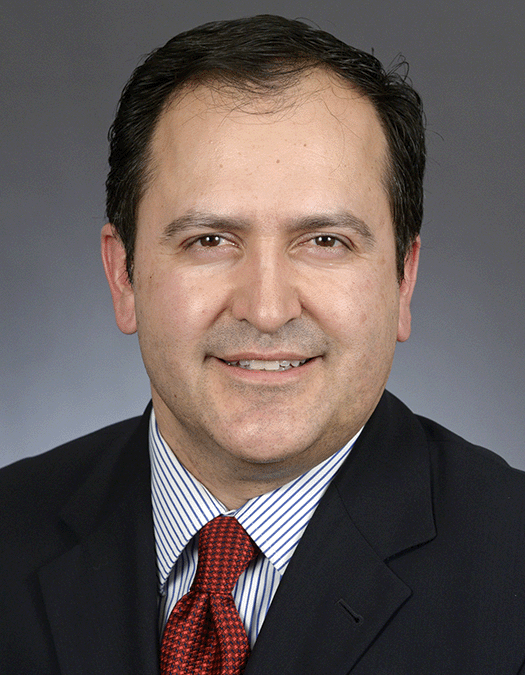
2025-2026 Regular Session Introduced by Jon Koznick

Minnesota bill clarifies when officers can pursue fleeing vehicles and shields officers from civil liability during authorized pursuits, adjusting related criminal penalties.

Introduction and first reading, referred to Public Safety Finance and Policy
0
WeVote Research Nonpartisan
Bill Summary · HF 4286

Legislative bill overview

HF 4286 modifies Minnesota's laws governing high-speed police pursuits by establishing clearer parameters for when officers can engage in vehicle chases and provides civil liability protections for officers acting within those parameters. The bill also adjusts penalties related to fleeing from peace officers in motor vehicles.

Why is this important

Police pursuits create significant public safety risks—to officers, suspects, and bystanders—yet departments nationwide struggle with inconsistent policies on when chases are justified. This legislation attempts to balance law enforcement's pursuit capabilities with liability concerns, which directly affects both community safety outcomes and the fiscal exposure of municipalities and officers.

Potential points of contention

  • Scope of liability protection: Defining what constitutes "authorized" police actions during pursuits could shield officers from accountability or, conversely, be too narrow to provide meaningful protection depending on how it's written
  • Public safety tradeoffs: Clarifying pursuit authority might encourage more chases (increasing crash risks to innocent parties) or restrict them (potentially allowing suspects to escape)
  • Disparate impact concerns: Enforcement patterns in vehicle pursuit cases historically show racial disparities; this bill's effect on those patterns remains unclear without specific language details

Compiled from official sources — confirm details with the bill’s official record.

Sign in to ask a question.