

Bill

BILL • US SENATE

S 1188

FLARE Act

119th Congress
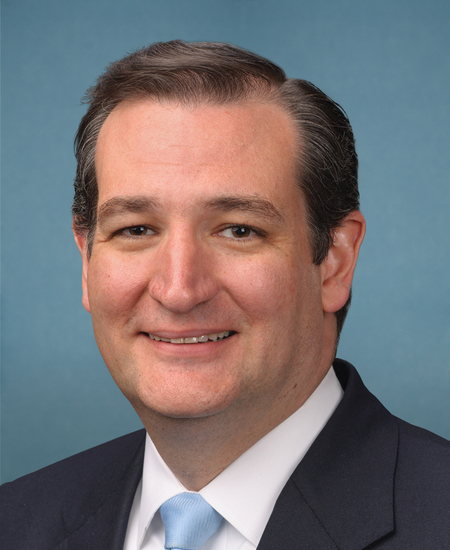
Introduced by Ted Cruz,

FLARE Act (S. 1188) lacks substantive text; only the short title exists, so its actual rules on lower-atmosphere emissions and impact are unknown until full language is released.

Introduced in Senate
0
0
Bill Summary • S 1188

Summary of Bill S. 1188 — FLARE Act (Facilitating Lower Atmospheric Released Emissions Act)

What the bill is

  • Full title: Facilitating Lower Atmospheric Released Emissions Act, also cited as the FLARE Act.
  • Short title language (as introduced): “This Act may be cited as the Facilitating Lower Atmospheric Released Emissions Act or the FLARE Act.”
  • Purpose as stated in the short title: The title suggests a focus on “facilitating” emissions released into the lower atmosphere. The exact objectives, definitions, and mechanisms are not provided in the available text.

Status and timeline

  • Introduced in the Senate on March 27, 2025.
  • Legislative actions to date:
    • Read twice and referred to the Senate Committee on Finance.
    • Introduced in the Senate on March 27, 2025.
  • Sponsor: Senator Ted Cruz (primary).

What is known about the provisions

  • The only content provided is the short title and citation language. The bill’s substantive provisions (definitions, standards, programs, funding, enforcement, timelines, or regulatory changes) are not included in the information provided.
  • As such, the exact changes the bill would make to law, federal programs, or regulatory processes are not discernible from the available text.

Potential impact (based on the title and sponsor action)

  • Because the text of the provisions is not available, it is not possible to specify which sectors or activities would be affected, what regulatory or fiscal changes would occur, or what metrics would be used to measure emissions in the “lower atmosphere.”
  • Given the committee referral to Finance, potential fiscal or tax-related components could be anticipated if the bill includes funding, incentives, credits, or other financial mechanisms. However, this is speculative without the bill’s actual text.
  • In general terms, a bill with a title referencing “facilitating” emissions in the lower atmosphere might address regulatory, permitting, incentive, or funding aspects related to emissions sources, measurement, reporting, or mitigation in the near-surface atmosphere. The exact scope, definitions, and constraints would depend on the enacted language.

Who would be affected

  • The bill’s impact would depend on its specific provisions. Potential affected parties could include federal agencies, emission source operators, industry sectors tied to atmospheric emissions, environmental compliance entities, and taxpayers (if there are fiscal provisions). The scope cannot be determined from the current information.

Next steps for readers

  • To understand the bill’s actual effects, obtain the full text of S. 1188 and any committee reports.
  • Review definitions (e.g., what constitutes “lower atmospheric released emissions”), regulatory changes, funding or incentives, compliance timelines, and enforcement provisions once available.
  • Monitor committee actions and floor debates for amendments and final outcomes.

If you’d like, I can update this summary as soon as the full text or committee report becomes available.

Hi! I'm your AI assistant for S 1188. I can help you understand its provisions, impacts, and answer any questions.

Key Provisions Impacts Timeline
Sign in to chat