

WeVote

Bill

Bill

HB 5037

FIXING HIGHER ED FUNDING ACT

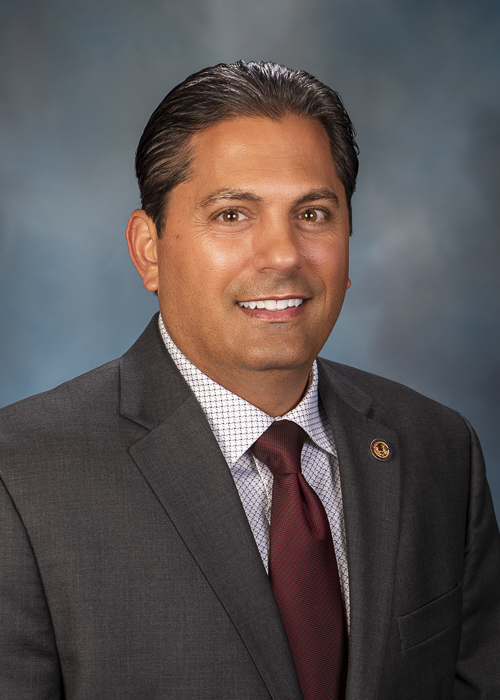
104th Regular Session Introduced by Anthony DeLuca and 5 co-sponsors

The bill reshapes how Illinois allocates state funds to public higher education, aiming to reform funding formulas and criteria to improve fairness, efficiency, and accountability.

0
WeVote Research Nonpartisan
Bill Summary · HB 5037

Bill Summary: HB 5037 (104th Illinois General Assembly)

Purpose and intent

HB 5037, titled the Fixing Higher Ed Funding Act, is a proposal aimed at altering the funding framework for higher education in Illinois. The bill seeks to modify how state funds are allocated to colleges and universities, with the overarching goal of addressing perceived inequities or inefficiencies in current higher education financing. The specific objectives and rationale would be detailed in the bill’s text, but the title indicates a focus on “fixing” or reforming higher education funding mechanisms.

Key provisions and changes (as introduced or drafted)

  • The bill proposes changes to the distribution of state appropriations for higher education institutions. This may include:
    • Revisions to formulas or criteria used to allocate state dollars to public universities and colleges.
    • Reforms intended to incentivize performance metrics, affordability, access, or efficiency.
    • Adjustments to requirement levels for institutions to receive funding, such as enrollment targets, graduation rates, or programmatic mandates.
  • Potential reallocation rules could affect core operations, capital funding, or financial aid programs tied to state support.
  • Administrative or oversight changes: The bill may establish or modify commissions, reporting requirements, or accountability measures related to higher education funding.

Who would be affected

  • Public colleges and universities in Illinois that depend on state appropriations.
  • State higher education agencies and the Illinois Board of Higher Education (IBHE), or any department responsible for administering higher education funding.
  • Students and families, indirectly, through changes to tuition support, financial aid, or funding levels that influence tuition pricing and program availability.
  • Policy and administrative staff at funded institutions who manage budgets and reporting to meet new funding criteria.

Procedural and timeline aspects

  • The bill, sponsored by multiple members (including Jeff Keicher, Paul Jacobs, La Shawn Ford, Anthony DeLuca, Dave Severin, and Tony McCombie as co-sponsors), indicates bipartisan or cross-chamber support, suggesting a structured legislative path.
  • As a proposed act, it would move through the Illinois General Assembly’s standard process: assignment to committee(s), hearings, committee votes, potential amendments, and floor consideration before advancing to the governor for signature or veto.
  • If enacted, the effective date would be specified within the bill (often delayed to the start of a fiscal year or a specific implementation date).

Potential implications

  • Positive: If the reform creates a fairer or more sustainable funding model, it could improve resource allocation, encourage efficiency, and promote greater accountability among institutions.
  • Negative or transitional: Short-term adjustments could disrupt budgeting cycles for some institutions or affect tuition and program offerings during the transition period.
  • Long-term: The bill could set a new baseline for state investment in higher education, potentially influencing enrollment, graduation outcomes, and workforce development.

Note: This summary is based on the bill’s title and sponsor information. For precise provisions, dollar amounts, formulas, timelines, and implementation details, the full text of HB 5037 as introduced or amended would need to be consulted.

Compiled from official sources — confirm details with the bill’s official record.

Sign in to ask a question.