

WeVote

Bill

Bill

HR 1220

FIRM Act of 2025

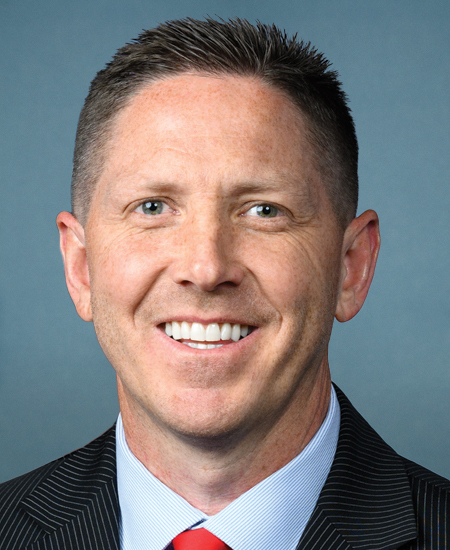
119th Congress Introduced by Josh Brecheen and 2 co-sponsors

The FIRM Act of 2025 raises fees for businesses guilty of reckless financial management, promoting accountability and protecting consumers through stricter penalties.

Introduced in House
0
WeVote Research Nonpartisan
Bill Summary · HR 1220

Summary of HR 1220 - FIRM Act of 2025

Overview

The FIRM Act of 2025, formally known as the Fee Increases for Reckless Mismanagement Act of 2025, was introduced in the House of Representatives on February 11, 2025. The bill aims to address issues related to financial mismanagement by increasing fees associated with certain regulatory violations.

Purpose and Intent

The primary purpose of the FIRM Act is to deter reckless financial management practices by imposing higher fees on entities found to be in violation of specific regulations. The bill seeks to promote accountability and responsible management within industries that have a significant impact on the economy and public welfare.

Key Provisions

While the full text of the bill has not been detailed in the provided information, the following provisions can be anticipated based on the title and intent:

  • Increased Fees: The bill proposes to raise fees for regulatory violations linked to reckless mismanagement. This could apply to various sectors, including finance, healthcare, and environmental management.
  • Regulatory Framework: The bill may outline specific criteria for what constitutes "reckless mismanagement" and the corresponding fee structure that would be implemented.
  • Enforcement Mechanisms: The legislation is likely to include provisions for how these fees will be enforced and collected, as well as any appeals processes for affected entities.

Affected Parties

The FIRM Act is expected to impact:

  • Businesses and Corporations: Entities that engage in practices deemed reckless or irresponsible in their management will face increased financial penalties.
  • Regulatory Agencies: Agencies responsible for overseeing compliance in various sectors may see changes in their operational procedures and enforcement strategies.
  • Consumers and the Public: Ultimately, the bill aims to protect consumers and the public by ensuring that businesses operate responsibly, potentially leading to safer products and services.

Legislative Process

  • Introduced: The bill was introduced in the House on February 11, 2025.
  • Committee Referral: Following its introduction, the bill was referred to the House Committee on the Judiciary for further consideration.

Conclusion

The FIRM Act of 2025 represents a legislative effort to enhance accountability in business practices by increasing financial penalties for reckless management. As the bill progresses through the legislative process, further details will emerge regarding its specific provisions and potential impacts on various sectors.

Compiled from official sources — confirm details with the bill’s official record.

Sign in to ask a question.