

WeVote

Bill

Bill

SF 4475

Federal law enforcement officers performing duties in Minnesota meeting the minimum qualifications of a Peace Officer Standards and Training Board licensed peace officer requirement provision

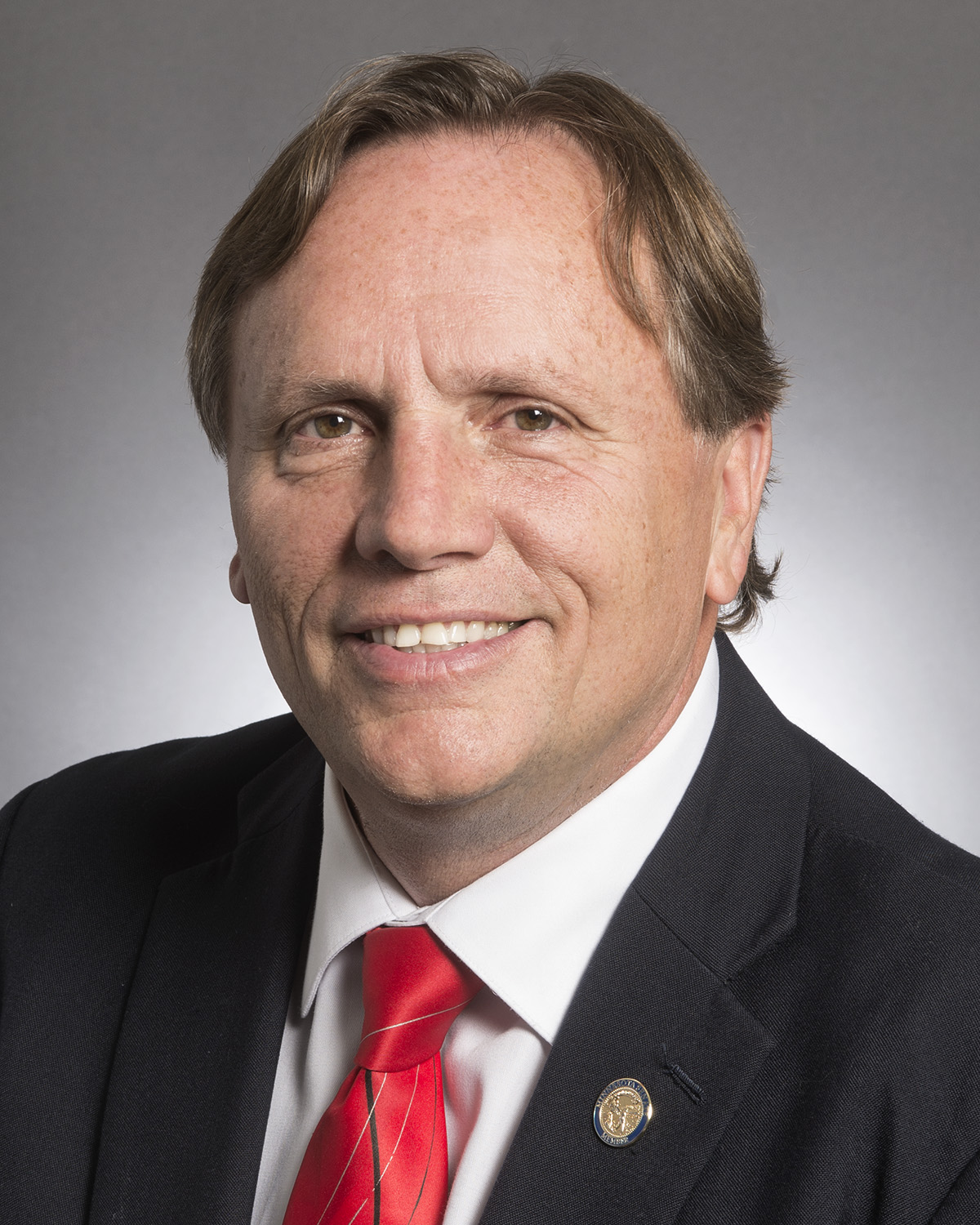
2025-2026 Regular Session Introduced by Jim Abeler and 2 co-sponsors

Requires federal law enforcement officers working in Minnesota to meet the state’s POST minimum qualifications when performing duties in the state.

Referred to Judiciary and Public Safety
0
WeVote Research Nonpartisan
Bill Summary · SF 4475

Summary of Minnesota SF 4475 (2025-2026)

Purpose and intent

SF 4475 proposes a rule regarding federal law enforcement officers who perform duties in Minnesota. Specifically, it requires that these federal officers meet the minimum qualifications of a Peace Officer Standards and Training (POST) licensed peace officer when they are performing duties in the state. The bill aims to align certain federal law enforcement activities within Minnesota with the state’s POST licensing framework.

Key provisions and changes

  • Scope of applicability: Applies to federal law enforcement officers who are performing duties within Minnesota.
  • Qualification requirement: Such officers must meet the minimum qualifications established by Minnesota’s Peace Officer Standards and Training Board (POST) for licensed peace officers.
  • Licensing framework: The measure ties the conduct and eligibility of federal officers in Minnesota to the POST licensing standards, which typically cover training hours, background checks, physical fitness, and other credentialing criteria.
  • Enforcement and compliance: The bill sets forth expectations that federal officers adhere to Minnesota POST minimums while operating in the state. It may imply mechanisms for verification or acknowledgement of compliance (the exact enforcement mechanisms are not detailed in the provided summary).

Who is affected

  • Federal law enforcement officers assigned to or performing duties in Minnesota.
  • Federal agencies employing those officers, insofar as their personnel must meet Minnesota POST minimums when operating within the state.
  • Minnesota POST framework and its administration, including licensing standards and potential oversight as it intersects with federal personnel.

Procedural and timeline aspects

  • Introduction and first reading: March 17, 2026.
  • Referral: Judiciary and Public Safety Committee.
  • Sponsorship: Co-sponsors include Doron Clark, Karin Housley, and Jim Abeler.
  • Status: Currently introduced and referred; no further action history or amendments available in the provided data.

Potential impact and considerations

  • Operational implications for federal officers: If enacted, federal officers in Minnesota would need to satisfy POST minimum qualifications when performing duties locally, which could affect operational deployments, credentialing processes, and interagency coordination.
  • Interagency and jurisdictional considerations: The bill sits at the intersection of federal authority and Minnesota’s licensure framework, potentially influencing joint task forces, training standards, and situational readiness.
  • Legal and constitutional considerations: The measure would need to align with federal supremacy principles; interactions between federal officer authority and state licensing requirements could prompt questions about preemption or mutual recognition.

This summary captures the bill’s stated purpose, main provisions, affected entities, and the current procedural status based on the provided information. If you have access to the full bill text, I can provide a more detailed clause-by-clause breakdown and any fiscal or effective-date provisions.

Compiled from official sources — confirm details with the bill’s official record.

Sign in to ask a question.