Summary of HR 1920 - FARMLAND Act of 2025
Overview
The FARMLAND Act of 2025, formally titled the Foreign Agricultural Restrictions to Maintain Local Agriculture and National Defense Act of 2025, was introduced in the House of Representatives on March 6, 2025. The bill aims to address concerns regarding foreign agricultural investments and their potential impact on local agriculture and national security.
Purpose and Intent
The primary intent of the FARMLAND Act is to establish restrictions on foreign ownership and control of agricultural land in the United States. This legislation seeks to ensure that local agriculture is prioritized and protected, thereby enhancing national defense capabilities by maintaining domestic food production.
Key Provisions
While the specific provisions of the bill have not been detailed in the provided information, the following key areas are likely to be addressed based on the title and intent of the legislation:
- Restrictions on Foreign Ownership: The bill may propose limits on the amount of agricultural land that can be owned or controlled by foreign entities.
- Regulatory Framework: Establishment of a regulatory framework to monitor and evaluate foreign investments in U.S. agriculture.
- National Security Considerations: Provisions to assess the implications of foreign agricultural investments on national security and food supply chains.
Affected Parties
The FARMLAND Act would primarily impact:
- Farmers and Agricultural Producers: Local farmers may benefit from reduced competition from foreign entities, potentially leading to increased market stability and prices.
- Foreign Investors: Entities looking to invest in U.S. agricultural land would face new restrictions, which could limit their investment opportunities.
- Consumers: The bill could influence food prices and availability, depending on how it affects local agricultural production.
Legislative Process and Timeline
- Introduced: March 6, 2025
- Referred to Committees: The bill has been referred to the Committee on Agriculture, as well as the Committees on Financial Services, Foreign Affairs, and Energy and Commerce for further consideration.
- Subcommittee Review: On March 28, 2025, the bill was referred to the Subcommittee on Nutrition and Foreign Agriculture for additional review.
Sponsors
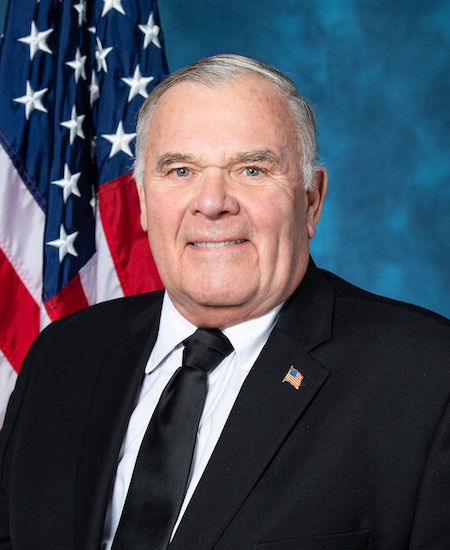
The FARMLAND Act is sponsored by Randy Feenstra, with several cosponsors including:
- Michael Lawler
- Kristen McDonald Rivet
- Derek Schmidt
- Adrian Smith
- Eric Sorensen
- Pat Harrigan
- Josh Riley
- James R. Baird
- Maggie Goodlander
- Mark Harris
- Max L. Miller
- Cliff Bentz
- Burgess Owens
- Mariannette Miller-Meeks
Related Legislation
The FARMLAND Act has a companion bill, S 886, which is likely to address similar issues in the Senate.
Conclusion
The FARMLAND Act of 2025 represents a significant legislative effort to safeguard local agriculture from foreign influence, with potential implications for national security and food production. As the bill progresses through the legislative process, further details and provisions will be revealed, shaping its final impact on U.S. agriculture and foreign investment.