

WeVote

Bill

Bill

SB 1200

Family daycare homes.

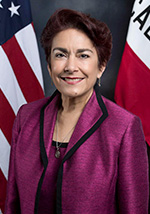
2025-2026 Regular Session Introduced by Anna Caballero and 1 co-sponsor

SB 1200 would redefine “infant” to under 18 months in family daycare licensing, changing infant-specific rules and oversight without new funding.

From committee: Do pass and re-refer to Com. on APPR. (Ayes 7. Noes 0.) (June 30). Re-referred to Com. on APPR.
0
WeVote Research Nonpartisan
Bill Summary · SB 1200

Summary of California SB 1200 (2025-2026) — Family Daycare Homes

1. Purpose and Intent

SB 1200, introduced by Senator Menjivar (coauthored by Senator Caballero) on February 19, 2026, proposes amending the Health and Safety Code to redefine the term “infant” for the California Child Day Care Facilities Act. Specifically, it would reduce the age threshold for an “infant” from under 2 years of age to under 18 months. The bill is framed within the broader policy context of improving health and safety oversight of family daycare homes, addressing shortages of regulated family daycare providers, and supporting working families by promoting diverse, neighborhood-based childcare options.

Key legislative findings (Section 1) emphasize:
- The state’s responsibility to ensure safety of children in family home daycares.
- A long-standing shortage of regulated family daycare homes and growing need due to more working parents.
- Preference among some parents for neighborhood-based options.
- The importance of a cost-effective, streamlined licensing program that protects children without placing undue burdens on providers.
- Encouraging ongoing review and cogency of family childcare regulations.
- The value of mixed-age group care in small in-home settings.

2. Key Provisions and Changes

  • Definition Change: Adds Health and Safety Code Section 1597.31, defining “infant” for the chapter as a child under 18 months of age.
    • This is the sole substantive statutory change anticipated by the bill.
  • Scope Maintained: The bill continues to operate within the California Child Day Care Facilities Act, which governs licensing and regulation of child daycare facilities, including family daycare homes.
  • No New Funding Indicated: The Fiscal/Appropriations note states “Appropriation: NO,” and the fiscal committee is listed as having a role, suggesting regulatory alignment rather than a new funding mechanism.

3. Who/What Is Affected

  • Children: The age threshold for “infant” in licensing provisions would apply to eligibility and regulatory requirements tied to infants in family daycare settings.
  • Family Daycare Providers: Regulated providers operating small or large family daycare homes would be affected to the extent licensing rules reference infant-specific standards tied to the 18-month cutoff.
  • Regulatory Framework: The California Department of Social Services (the licensing authority under the act) would need to apply the new definition in relevant licensing, inspection, and regulatory processes.

4. Procedural and Timeline Aspects

  • Introduced: February 19, 2026.
  • Committee Actions:
    • Referred to the House Committee on Human Services, then scheduled for a hearing (noted as set for hearing April 20, 2026).
    • On April 21, 2026, the bill moved from a committee with a “Do pass and re-refer to APPR” action and was re-referred to the Appropriations Committee (APPR). The latest action history shows action in the APPR committee.
  • Sponsor Information: Primary sponsor Senator Menjivar; co-sponsors include Senator Caballero and Caroline Menjivar (household repetition of sponsor name appears as co-sponsor in materials).

5. Practical Implications and Impact

  • Regulatory Consistency: If enacted, licensing provisions would treat a slightly older group of children as “infants” for purposes of infant-specific regulations, care practices, or facility requirements. Providers serving children in the 13–18 month age range could experience changes in regulatory expectations, resource planning, or staffing considerations depending on how “infant”-specific standards are implemented in regulations.
  • Access and Availability: By aligning with a broader interpretation of infant safety and care in in-home settings, the bill aims to support the expansion and regulation of family daycare homes, addressing shortages and offering local childcare options for working families.

6. Notes for Readers

  • The bill does not create new funding or fees.
  • The core change is a definitional one that cascades into how licensing rules apply to infants within family daycare homes.
  • The bill’s stated objective aligns with increasing regulated, neighborhood-based childcare options while maintaining child safety oversight.

If you’d like, I can provide a plain-language section-by-section outline of how this definition change could interact with specific regulatory provisions (e.g., staff-to-child ratios, caregiver qualifications) once the final regulatory text is available.

Compiled from official sources — confirm details with the bill’s official record.

Sign in to ask a question.