

WeVote

Bill

Bill

HR 3438

Fair Wage Act of 2025

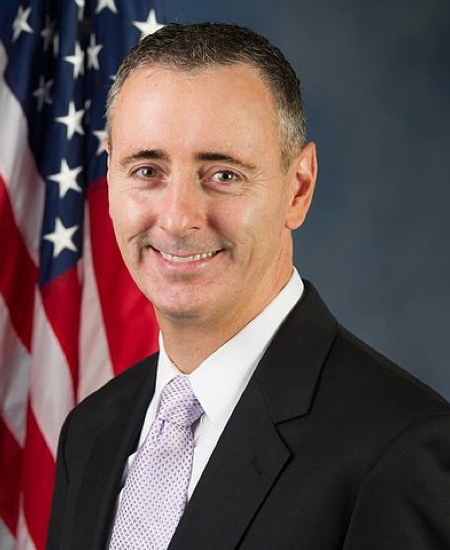
119th Congress Introduced by Brian Fitzpatrick and 1 co-sponsor

The Fair Wage Act of 2025 aims to eliminate wage discrimination, ensure living wages, and promote pay equity for millions of workers across various industries.

Introduced in House
0
WeVote Research Nonpartisan
Bill Summary · HR 3438

Summary of HR 3438 - Fair Wage Act of 2025

Overview

The Fair Wage Act of 2025 (HR 3438) is a legislative proposal introduced in the House of Representatives on May 15, 2025. The bill aims to address wage disparities and ensure fair compensation for workers across various sectors.

Main Purpose and Intent

The primary intent of the Fair Wage Act is to establish a framework for fair wages that promotes equity in compensation. The bill seeks to:
- Eliminate wage discrimination based on gender, race, or other factors.
- Ensure that all workers receive a living wage that reflects the cost of living in their respective regions.

Key Provisions

While the full text of the bill is not provided, the following key provisions are anticipated based on similar legislative efforts:

  1. Minimum Wage Increase:

    • The bill may propose an increase in the federal minimum wage, potentially indexed to inflation or regional cost of living adjustments.
  2. Wage Transparency:

    • Employers may be required to disclose wage ranges for job postings to promote transparency and reduce wage discrimination.
  3. Equal Pay for Equal Work:

    • The legislation could reinforce existing laws that mandate equal pay for employees performing similar work, regardless of gender or race.
  4. Enforcement Mechanisms:

    • The bill may establish stronger enforcement mechanisms for wage violations, including increased penalties for non-compliance.
  5. Support for Small Businesses:

    • Provisions may be included to assist small businesses in adjusting to new wage standards, possibly through tax credits or grants.

Who Would Be Affected

The Fair Wage Act would impact:
- Workers: Millions of employees across various industries would benefit from increased wages and improved pay equity.
- Employers: Businesses, particularly those with lower wage structures, would need to adjust their compensation practices to comply with the new standards.
- Government Agencies: Agencies responsible for labor enforcement would see an increase in their regulatory responsibilities.

Procedural Aspects

  • The bill was referred to the House Committee on Education and Workforce on the same day it was introduced. This committee will review the bill and may hold hearings or discussions before it is brought to the floor for a vote.

Conclusion

The Fair Wage Act of 2025 represents a significant step towards ensuring fair compensation for all workers in the United States. By addressing wage disparities and promoting transparency, the bill aims to create a more equitable workforce. As it progresses through the legislative process, stakeholders will be closely monitoring its developments and potential impacts on the labor market.

Compiled from official sources — confirm details with the bill’s official record.

Sign in to ask a question.