

WeVote

Bill

Bill

HR 166

Fair Lending for All Act

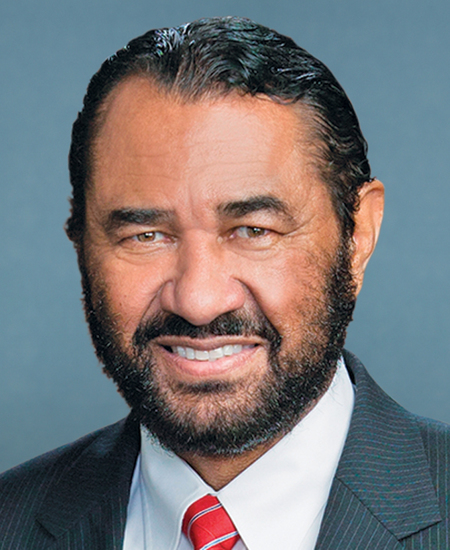
119th Congress Introduced by Al Green

HR 166 strengthens fair lending enforcement and discrimination protections in mortgage lending to reduce disparities across demographic groups.

Introduced in House
0
WeVote Research Nonpartisan
Bill Summary · HR 166

Legislative bill overview

HR 166, the Fair Lending for All Act, aims to strengthen enforcement of fair lending laws and expand protections against discrimination in residential mortgage lending. The bill addresses disparities in loan approval rates, interest rates, and lending terms across different demographic groups by enhancing regulatory oversight and creating new accountability mechanisms for lenders.

Why is this important

Lending discrimination has documented historical impacts on wealth-building opportunities, homeownership rates, and intergenerational financial security for marginalized communities. Strengthened fair lending enforcement could reduce racial and ethnic disparities in mortgage access and costs, though the actual effectiveness depends on implementation details and regulatory resources.

Potential points of contention

  • Regulatory burden vs. compliance: Critics may argue expanded enforcement creates excessive compliance costs for lenders, particularly smaller institutions, while supporters contend that preventing discrimination justifies administrative requirements
  • Statistical testing methodology: Disputes may arise over what statistical disparities constitute unlawful discrimination versus legitimate underwriting factors, with disagreement on burden-of-proof standards
  • Scope of enforcement power: Debate likely over whether new regulatory authorities represent necessary oversight or governmental overreach into private lending decisions

Compiled from official sources — confirm details with the bill’s official record.

Sign in to ask a question.