

WeVote

Bill

Bill

SB 3338

FACILITATE VOTING FOR ALL

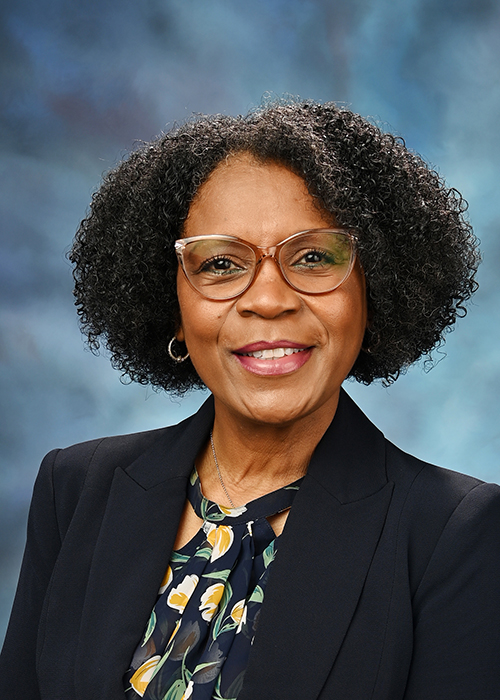
104th Regular Session Introduced by Adriane Johnson and 2 co-sponsors

Expands and streamlines voting access in Illinois by broadening early voting, simplifying mail-in and registration, and improving accessibility and oversight to boost participation

Added as Chief Co-Sponsor Sen. David Koehler
0
WeVote Research Nonpartisan
Bill Summary · SB 3338

Overview

SB 3338, from the 104th Illinois General Assembly, titled “Facilitate Voting for All,” seeks to expand and streamline access to voting for Illinois residents. The bill has co-sponsors Adriane Johnson and Rachel Ventura. The summary below highlights the bill’s purpose, key provisions, who is affected, and notable procedural/timeline aspects. (Note: adoptive language is based on the bill’s text as provided; consult the official bill for precise statutory references and any amendments.)

Purpose and intent

  • Improve voter access and participation across Illinois.
  • Reduce barriers to casting a ballot by clarifying procedures, expanding options, and aligning requirements with contemporary voting practices.
  • Ensure uniform administration of voting processes across jurisdictions to promote convenience, accuracy, and security.

Key provisions and changes

  • Voting accessibility enhancements:
    • Expand early voting opportunities and/or the windows for casting ballots prior to Election Day.
    • Streamline registration processes (e.g., same-day registration where allowed, or streamlined proof-of-address procedures) to reduce administrative hurdles.
  • Mail-in and absentee voting:
    • Clarify eligibility criteria for mail-in ballots and simplify the request and return process.
    • Extend or standardize deadlines for mail-in ballot requests and submissions, including guidance on postmark or received-by dates.
  • Provisional ballots and verification:
    • Strengthen guidelines for provisional voting to ensure ballots are counted when eligibility is later confirmed.
    • Mandate clearer instructions at polling sites for voters whose documents are incomplete or mismatched.
  • Accessibility and language assistance:
    • Require availability of ballots and voting information in multiple languages or accessible formats for voters with disabilities.
    • Improve the accessibility of polling places, including accommodations for voters with mobility, vision, or other needs.
  • Election administration and oversight:
    • Establish or refine procedures to train election judges and poll workers.
    • Enhance reporting and auditing mechanisms to improve transparency and trust in the process.
  • Technology and security:
    • Provisions aimed at safeguarding the integrity of the voting system, potentially including cybersecurity measures, voter verification processes, and secure ballot handling.
  • Provisions for specific populations:
    • Protections or streamlined processes for seniors, students, service members, and populations facing barriers to polling access.

Who would be affected

  • Eligible voters across Illinois, including those seeking alternative voting options (early, mail-in, provisional) and voters needing accommodations.
  • Local election authorities and election judges who administer polls, certify results, and manage early voting sites.
  • Vendors or state agencies involved in voter registration, ballot distribution, and election infrastructure.
  • Organizations providing voter education and access services.

Procedural and timeline aspects

  • The bill outlines effective dates and implementation timelines for its provisions, potentially including:
    • Dates when expanded early voting or mail-in procedures take effect.
    • Deadlines for jurisdictions to conform to new standards and reporting requirements.
    • Transitional provisions to align existing processes with new rules.
  • Any required rulemaking or administrative guidance to support rollout.
  • Sunset or renewal considerations, if applicable, and oversight mechanisms (e.g., commissions or departments responsible for implementation and enforcement).

Potential impact

  • Increased voter turnout due to reduced barriers and clearer processes.
  • Greater consistency in voting administration across counties and municipalities.
  • Enhanced accessibility for non-English speakers and voters with disabilities.
  • Improved transparency and trust through stronger oversight and clearer guidance for election workers.

If you’d like, I can tailor this summary to include exact statutory sections, numerical thresholds, deadlines, and anticipated fiscal considerations once you provide or confirm the full text or official summaries of SB 3338.

Compiled from official sources — confirm details with the bill’s official record.

Sign in to ask a question.