

WeVote

Bill

Bill

A 4622

Extends DEC's authority to regulate management of crabs, and prohibits the taking of horseshoe crabs for commercial and biomedical purposes

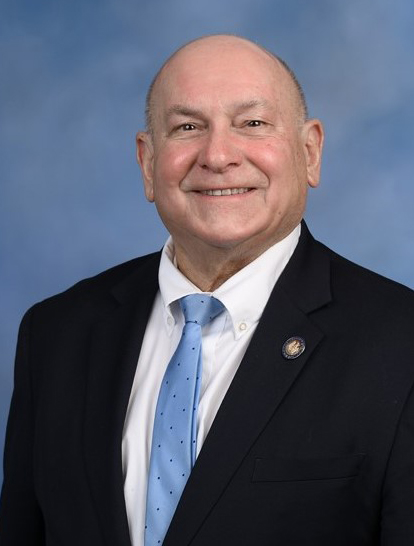
2025 Regular Session Introduced by Chris Burdick and 3 co-sponsors

Expands DEC power to regulate crabs and bans taking horseshoe crabs for commercial or biomedical use; enacting clause struck, bill not enacted this session.

ENACTING CLAUSE STRICKEN
0
WeVote Research Nonpartisan
Bill Summary · A 4622

Summary of Bill A 4622 (2025)

Overview

Bill A 4622 seeks to expand the New York State Department of Environmental Conservation’s (DEC) authority to regulate the management of crabs and to prohibit the taking of horseshoe crabs for commercial and biomedical purposes. Introduced on February 4, 2025, the bill was referred to the Environmental Conservation committee. As of the latest status, the enacting clause has been struck, meaning the bill did not advance to enactment in this session.

What the bill would do

  • Extend DEC’s regulatory authority over the management of crabs. This would empower the DEC to regulate aspects of crab harvest, management, and related conservation measures beyond current authority.
  • Prohibit the taking (harvesting) of horseshoe crabs for commercial and biomedical purposes. The prohibition would apply to activities related to hunting or collecting horseshoe crabs for sale or use in industry and biomedical applications.

Key provisions (as outlined by the bill’s purpose)

  • Expanded regulatory scope: The DEC would have expanded powers to regulate crab populations, which could include establishing rules on harvest limits, seasons, gear restrictions, licensing, and enforcement mechanisms to protect crab species.
  • Horseshoe crab prohibition: A clear ban on capturing, taking, or harvesting horseshoe crabs for commercial sale or for use in biomedical contexts, with implications for any current harvesters and related supply chains.

Who would be affected

  • DEC: Tasked with implementing and enforcing the expanded regulatory framework for crabs.
  • Crab harvesters and fishermen: Potentially subject to new licensing, reporting, harvest limits, or gear restrictions under the expanded DEC authority.
  • Horseshoe crab industries: Commercial harvesters and suppliers would be directly impacted by the prohibition, affecting supply chains for biomedical and other uses.
  • Biomedical sector: Indirectly affected due to the prohibition on horseshoe crab collection for biomedical purposes (e.g., materials used in endotoxin testing, if applicable under state law).

Procedural history and status

  • Introduced: February 4, 2025.
  • Legislative actions:
    • February 4, 2025: Referred to Environmental Conservation.
    • February 13, 2025: Enacting Clause Stricken.
  • Status: ENACTING CLAUSE STRICKEN. The bill did not become law in this session.
  • Related bill: A 10140 (prior-session), indicating precedent or predecessor legislation.

Sponsorship

  • Primary sponsor: Deborah Glick
  • Cosponsors: Jo Anne Simon, Chris Burdick, David Weprin

Next steps and potential impact

  • With the enacting clause struck, the bill would need to be reintroduced and undergo the standard legislative process to become law.
  • If reintroduced, the bill could be refined to specify regulatory mechanisms (e.g., licensing, enforcement penalties) and define the scope of “crabs” beyond horseshoe crabs. The prohibition on horseshoe crab taking would have lasting implications for commercial and biomedical supply chains in New York.

Compiled from official sources — confirm details with the bill’s official record.

Sign in to ask a question.