

WeVote

Bill

Bill

SB 856

Extending State Fire Marshal inspections to include municipalities with certified fire code

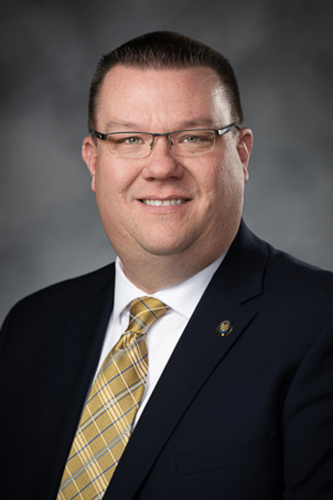
2026 Regular Session Introduced by Robbie Morris

Extends state Fire Marshal inspections to municipalities with certified fire code programs to ensure uniform enforcement and coordination across more localities.

To Finance
0
WeVote Research Nonpartisan
Bill Summary · SB 856

Summary of SB 856 (Session 2026 – West Virginia)

Purpose and intent

SB 856 proposes to extend the reach of state-level Fire Marshal inspections by extending oversight to municipalities that have certified fire code programs. The bill aims to ensure uniform enforcement and consistency in fire safety inspections across more localities by integrating municipalities with certified codes into the state Fire Marshal inspection framework.

Key provisions and changes

  • Expansion of inspection authority: The West Virginia State Fire Marshal would gain the authority to perform or require inspections in municipalities that have an active, certified fire code program. This broadens the current scope beyond areas under direct state Fire Marshal jurisdiction.
  • Certification linkage: Municipalities with certified fire codes would trigger state inspection involvement or alignment, creating a formal mechanism to coordinate between city/town programs and state-level inspectors.
  • Coordination and standards: The bill would likely set standards for how inspections are conducted, reporting requirements, and alignment with state fire safety codes to ensure consistency across jurisdictions.
  • Compliance requirements: Affected municipalities would need to cooperate with state inspectors, potentially providing access, records, and support necessary to complete inspections or audits under the expanded framework.

Affected entities and stakeholders

  • Municipalities with certified fire code programs: These localities would transition into a larger inspection framework, subject to state Fire Marshal oversight and inspection activities.
  • West Virginia State Fire Marshal’s Office: The agency would assume broader inspection responsibilities and coordinate with municipalities possessing certified codes.
  • Property owners and facilities within affected municipalities: They could be subject to additional or standardized inspections and compliance requirements.
  • Local governments and fire departments: They may experience changes in inspection scheduling, reporting, and enforcement processes, as well as potential changes to funding or resource needs associated with expanded inspections.

Procedural and timeline aspects

  • Committee progression: The bill was reported by a committee substitute and advanced to the Finance Committee on February 20, 2026, after originating in the Government Organization committee. The sequence indicates a review of fiscal implications alongside policy changes.
  • Fiscal considerations: By moving to Finance, the bill signals that funding, cost-sharing, or budgetary impact will be a key component of the legislative debate. Details on cost estimates, funding sources, or appropriation adjustments would be considered during Finance deliberations.
  • Sponsor: Co-sponsor Robbie Morris, signaling stakeholder support within the chamber and potential alignment with related public safety or local government initiatives.

Practical impact and considerations

  • Uniform safety oversight: If enacted, residents and businesses in certified-municipality areas could experience more consistent fire safety inspections and code enforcement, reducing disparities between jurisdictions.
  • Resource implications: The expansion may require additional staffing, training, and budgetary resources for the Fire Marshal’s Office, as well as potential funding for municipalities to meet new coordination requirements.
  • Implementation timeline: The bill’s actual effective date would be determined in the final text and any accompanying fiscal note; stakeholders should monitor dates for when municipalities must align with state inspection protocols.

If you’d like, I can tailor this summary to emphasize specific policy concerns, cost estimates from the fiscal note (once available), or compare SB 856 to current law provisions.

Compiled from official sources — confirm details with the bill’s official record.

Sign in to ask a question.