Summary — A.2110 (Print 2110B)
Title: Expands the definition of mental health care provider for purposes of certain sex offenses committed during a treatment session, consultation, interview, or examination
Status and procedure
- Bill introduced: January 15, 2025 (A.2110)
- Current print: 2110B (printed and amended; committee: Codes)
- Key legislative actions: Referred to Codes (1/15/2025); amended and recommitted to Codes; Print No. 2110A followed by further amendment to Print No. 2110B (amend/recommit actions on 1/16/2025 and 5/15/2025).
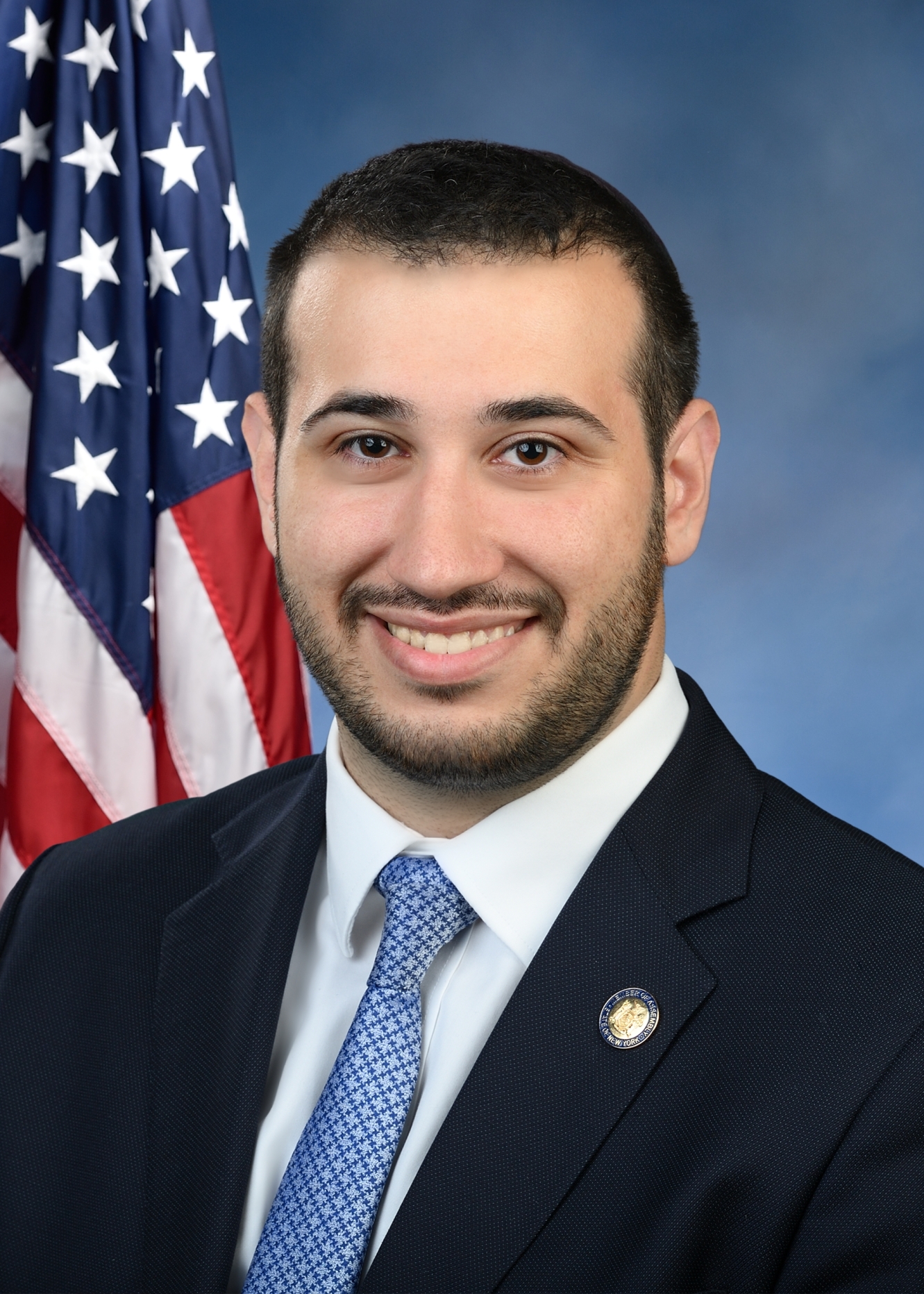
- Sponsors: Assemblymember Sam Berger (primary); cosponsors Judy Griffin, Aron Wieder, Deborah Glick, William Colton, Rebecca Kassay.
- Senate companion: S.1543
Purpose and intent
- The stated purpose is to broaden who is legally considered a “mental health care provider” for the specific purpose of statutes that criminalize sexual offenses that occur in the context of professional treatment interactions (treatment session, consultation, interview, or examination). The intent is to ensure that a wider set of persons who provide mental health services are covered by prohibitions against sexual conduct with clients/patients during professional contacts.
Key provisions (based on bill title and legislative summary)
- Expands the statutory definition of “mental health care provider” for use in sex-offense provisions that target sexual activity or contact occurring during a treatment session, consultation, interview, or examination.
- Applies the expanded definition to whatever criminal or penal sections already prohibit sexual conduct by a provider toward a patient/client in the course of providing mental health treatment (the bill title suggests this is a definitional change rather than creation of new offenses).
- By changing the definition, the bill will make those additional classes of providers subject to the same criminal prohibitions and potentially the same professional discipline that currently apply to providers already covered.
Who would be affected
- Providers: A broader set of mental-health professionals (depending on the exact statutory language) — e.g., licensed and possibly unlicensed clinicians, counselors, social workers, trainees, supervisors, or employees who perform mental-health services — could become subject to criminal liability under the targeted statutes.
- Patients/clients: Individuals receiving mental health care would have expanded statutory protection against sexual misconduct in the contexts named (sessions, consultations, interviews, examinations).
- Employers/licensing bodies: Clinics, hospitals, professional boards, and training programs may see changes in reporting, supervision, and disciplinary processes tied to the expanded definitional scope.
- Criminal justice system: Prosecutors and courts would use the revised definition when charging and adjudicating specified sex offenses tied to treatment settings.
Limitations and recommended next steps
- The full text of A.2110B was not provided in readable form in the materials supplied. The title indicates a definitional expansion but does not specify which categories of providers are added, whether telehealth is addressed, or whether the change is retroactive.
- To determine precise legal effects (exact list of included professions, relationship to existing criminal provisions, penalties, effective date, and any exceptions), consult the printed bill text for A.2110B and companion S.1543 in the Senate.