

WeVote

Bill

Bill

SB 5358

Expanding veterans' services and programs.

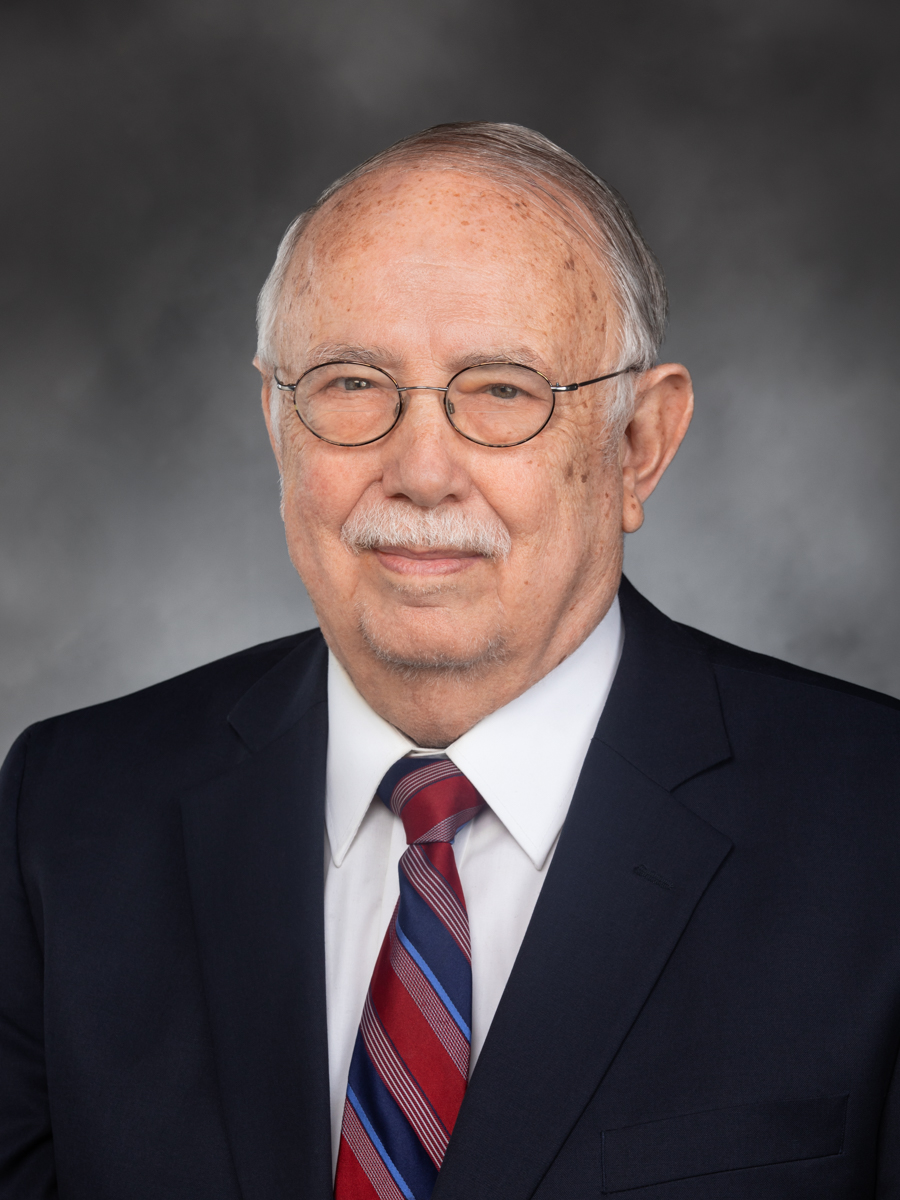
2023-2024 Regular Session Introduced by Steve Conway and 11 co-sponsors

SB 5358 directs WDVA to expand VSO and veteran peer programs via grants to counties, prioritizing small/underserved counties, pending appropriation; mandates 2024 impact reports.

Effective date 7/23/2023.
0
WeVote Research Nonpartisan
Bill Summary · SB 5358

SB 5358 — Expanding veterans' services and programs

Status: Enacted (Chapter 224, 2023 Laws). Effective date: July 23, 2023.

Purpose / Intent

The bill directs the Washington Department of Veterans Affairs (WDVA) to evaluate and expand two key local veteran-support efforts — the Veterans Service Officer (VSO) Program and the Veteran Peer‑to‑Peer Training and Support Program — and to provide grant funding (subject to appropriation) to develop or expand local VSO, peer‑to‑peer, and related veteran services in underserved areas. The legislature also expresses intent to increase state appropriations for these programs.

Key provisions

  • Reports to Legislature (deadlines and scope)

    • VSO Program report: WDVA must submit a report by September 30, 2024, on the effectiveness of the Veterans Service Officer Program (RCW 43.60A.230). The report must include: number of veterans served, locations of services, analysis of areas lacking services, and recommendations for phasing in expansion to underserved areas. (Section expires December 31, 2024.)
    • Peer Program report: WDVA must submit an updated report by September 30, 2024, on the Veteran Peer‑to‑Peer Training and Support Program (RCW 43.60A.100). The updated report must include number of veterans receiving peer support, locations, number trained, types of training/support, and an analysis of areas lacking peer support with recommendations for phased expansion. (This replaces the earlier 2018 reporting requirement and that section also expires December 31, 2024.)
    • Note: The Peer Program report is no longer required to include comparative analyses of programs in other states/private sectors; instead it focuses on in‑state service gaps and expansion recommendations.
  • Grant authority and prioritization

    • Subject to amounts appropriated, WDVA is required to provide grants to counties to develop or expand VSO programs, peer‑to‑peer programs, and other veteran assistance services in areas of need.
    • Grant prioritization: counties with smaller populations and counties whose percent of veterans receiving federal disability or pension compensation is below the national average.
  • Legislative intent about funding

    • The bill states legislative intent to increase (earlier drafts expressed intent to double) state appropriations for VSO and peer mentoring programs, but grants are explicitly conditioned on appropriations.

Who is affected

  • Primary beneficiaries: veterans and their families across Washington — especially those in rural or otherwise underserved counties.
  • Program administrators: Washington Department of Veterans Affairs (WDVA), county veteran service offices, volunteer peer mentors, and local partners.
  • Fiscal/administrative impact: WDVA will incur costs to prepare mandated reports, expand training and accreditation, and administer grant programs. Expansion may increase federal benefit claims submitted by VSOs, potentially bringing more federal dollars to Washington veterans.

Fiscal and procedural notes

  • Grants and expansions are subject to legislative appropriations; no specific appropriation included in the bill text.
  • The reporting sections include expiration dates (December 31, 2024).
  • A fiscal note was requested; stakeholders acknowledged the bill would produce fiscal impacts for WDVA but also potential downstream federal benefit recovery for veterans.
  • Public testimony at committee hearings was uniformly supportive; no opposition was recorded.

Background context

  • WDVA’s VSO Program funds VSOs in eligible (population ≤ 100,000) counties and provides accreditation, training, and claims tracking.
  • The Veteran Peer‑to‑Peer Program (established 2017) trains volunteers to provide veteran‑to‑veteran support (training may include cultural engagement and suicide prevention).
  • As of testimony, WDVA partners with 21 counties that operate VSOs (serving a total of 25 counties); legislators cited gaps in coverage and lower-than‑average federal benefit uptake in many counties.

Summary: SB 5358 seeks to identify geographic gaps in local veteran services, require WDVA reporting with expansion recommendations, and enable grant funding (when appropriated) that prioritizes small and under‑served counties to increase access to VSO assistance and peer support statewide.

Compiled from official sources — confirm details with the bill’s official record.

Sign in to ask a question.