

WeVote

Bill

Bill

SB 5040

Expanding the definition of uniformed personnel to all law enforcement officers employed by a city, town, or county.

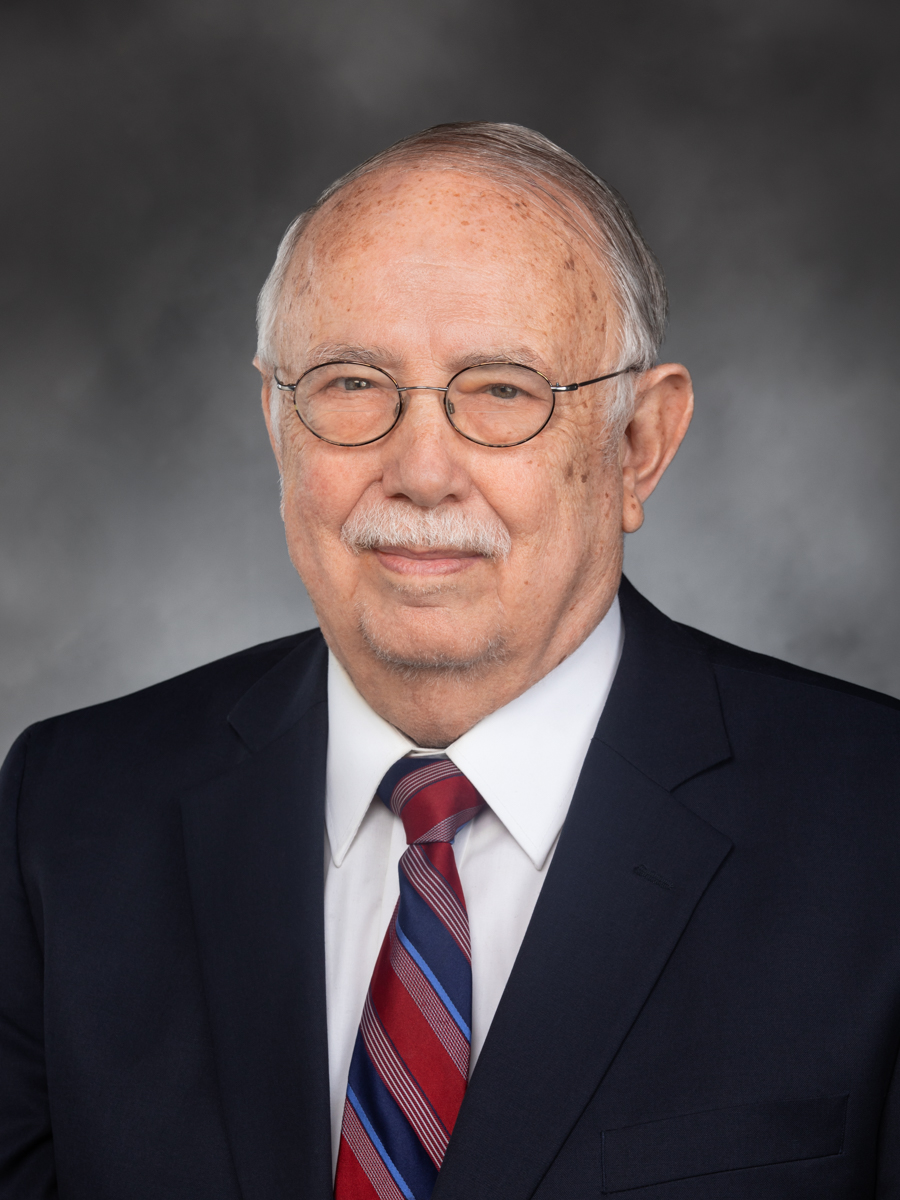
2025-2026 Regular Session Introduced by Steve Conway and 8 co-sponsors

Expands PECBA uniformed personnel to all municipal and county police and airport police, removes population limits, and enables binding interest arbitration for impasses.

Effective date 7/27/2025.
0
WeVote Research Nonpartisan
Bill Summary · SB 5040

SB 5040 — Summary (Chapter 113, 2025 Laws)

What the bill does (purpose)

SB 5040 expands the statutory definition of "uniformed personnel" in the Public Employees' Collective Bargaining Act (PECBA) to include all municipal and county law enforcement officers regardless of the employing jurisdiction’s population size, and to include municipal airport law enforcement officers. As a result, these officers gain access to binding interest arbitration to resolve collective bargaining impasses (PECBA’s procedure for uniformed personnel who may not strike).

Key provisions / changes

  • Amends RCW 41.56.030 to remove the previous population thresholds that limited interest-arbitration status to:
    • city/town law enforcement officers only in jurisdictions with population ≥ 2,500, and
    • county law enforcement officers only in counties with population ≥ 10,000.
  • Explicitly adds law enforcement officers employed by the governing body of a municipal airport (chapter 14.08 RCW) to the "uniformed personnel" definition.
  • No appropriation is included in the bill; a fiscal note was prepared.

Who is affected

  • Gaining interest-arbitration rights:
    • Law enforcement officers employed by any city, town, or county (including small jurisdictions previously excluded).
    • Municipal airport police or guards appointed under chapter 14.08 RCW.
  • Local governments (cities, towns, counties, municipalities operating airports) — potential new bargaining/administrative and litigation/arbitration costs.
  • Exclusive bargaining representatives and unions for those officers — new procedural remedies for bargaining impasses.

Policy context / impact

  • PECBA treats "uniformed personnel" as employees who cannot strike; binding interest arbitration is the statutory alternative to strikes for resolving bargaining impasses.
  • Supporters argued the change levels the bargaining rights playing field for small‑jurisdiction officers and that actual arbitration is infrequent; arbitration costs can incentivize mediation.
  • Opponents (small cities/counties and municipal associations) described the bill as an unfunded mandate likely to impose meaningful new costs (testimony estimated arbitration-related costs could range from roughly $75,000 to $150,000 for some small jurisdictions and could equate to the salary of one to two officers), including outside counsel and arbitration fees.

Legislative history / timeline

  • Prefiled: 12/13/2024; Introduced: 01/13/2025.
  • Senate passage (substitute bill): 02/25/2025 — Yeas 31, Nays 18.
  • House passage: 04/12/2025 — Yeas 59, Nays 35.
  • Delivered to Governor: 04/17/2025; Governor signed: 04/22/2025.
  • Filed as Chapter 113, 2025 Laws.
  • Effective date: July 27, 2025.

Legal reference

  • Amends: RCW 41.56.030 (definitions in the Public Employees' Collective Bargaining Act).

Compiled from official sources — confirm details with the bill’s official record.

Sign in to ask a question.