

WeVote

Bill

Bill

A 3735

Excludes certain graduate students from mandatory fees

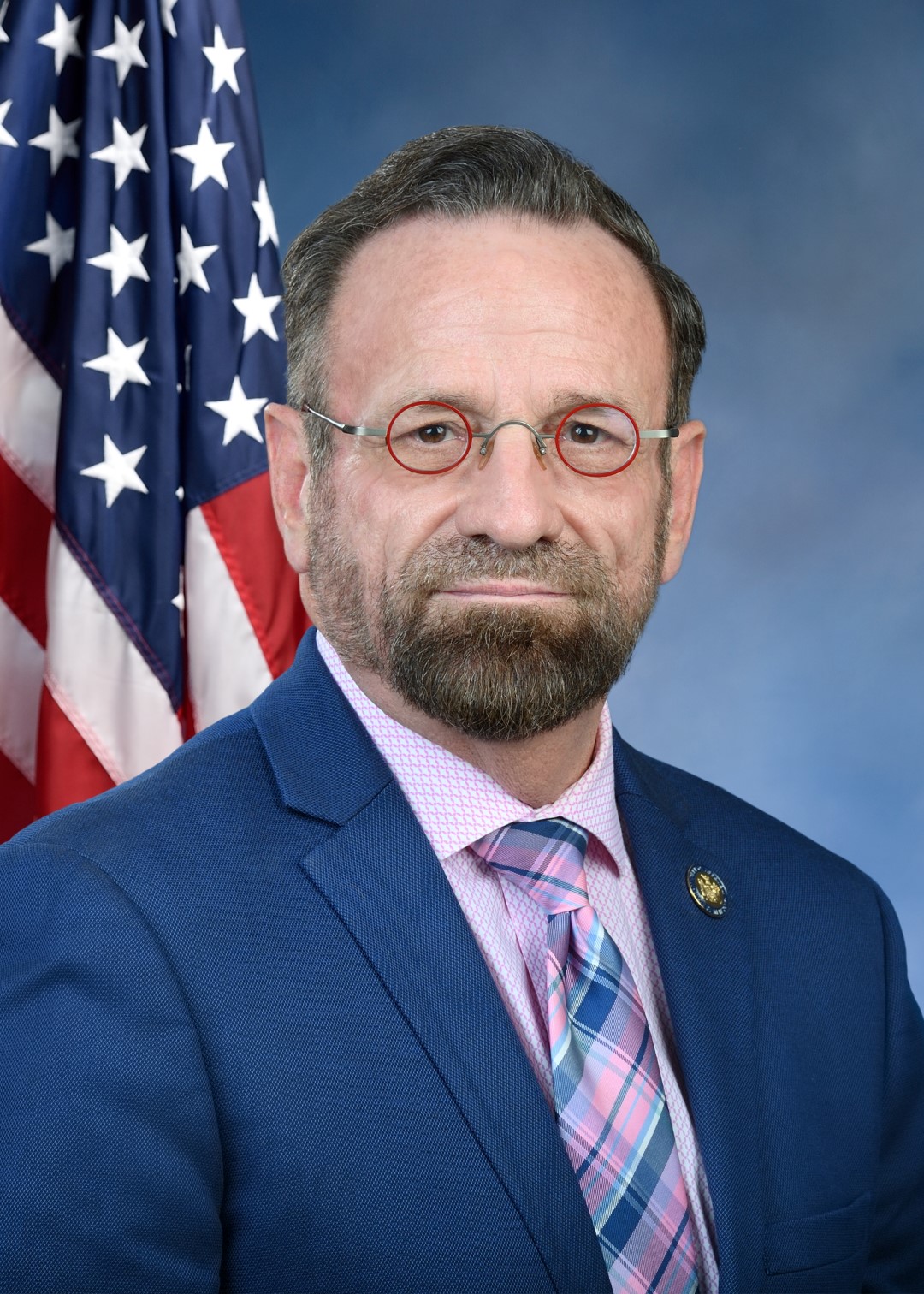
2025 Regular Session Introduced by Harry Bronson and 3 co-sponsors

Establishes fertility fraud as a crime, banning licensed practitioners from using their own or another person’s reproductive material in assisted reproduction without the patient’s

REFERRED TO HIGHER EDUCATION
0
WeVote Research Nonpartisan
Bill Summary · A 3735

Summary of Assembly Bill No. 3735 (A 3735)

Note: The bill centers on fertility fraud, not on graduate student fees (the latter appears to be a mislabel in the provided prompt). The following reflects the introduced and amended text as described in the committee and version materials.

Purpose and intent

  • Establishes the crime of fertility fraud in New Jersey.
  • Prohibits health care practitioners from knowingly performing assisted reproduction treatments that result in pregnancy using their own or another person’s reproductive material without the patient’s written informed consent.
  • Seeks to protect patients from non-consensual use of reproductive material in assisted reproduction and to discipline offending practitioners.

Key provisions

  • Definitions (new section):

    • “Assisted reproduction” includes procedures involving human gametes or pre-embryos (e.g., artificial insemination, in vitro fertilization, embryo transfers).
    • “Gamete” means sperm or egg.
    • “Health care practitioner” means an individual licensed or certified to provide health care services under New Jersey law.
    • “Human reproductive material” means human gametes or pre-embryos.
  • Fertility fraud (crime):

    • A health care practitioner commits fertility fraud if they knowingly perform an assisted reproduction treatment resulting in pregnancy using:
    • The practitioner’s own reproductive material without the patient’s written informed consent; or
    • The reproductive material of another person without the patient’s written informed consent.
    • Classification: third degree felony (3 to 5 years in prison, up to $15,000 fine, or both).
    • Court-ordered, permanent revocation of any health care license or certification held by the defendant.
  • Prosecution time limits:

    • Prosecution must be commenced within 20 years of the date the treatment was conducted, or within 10 years of when the victim became aware of the crime.
  • Effective date:

    • The act takes effect immediately upon enactment.

Scope and impacted parties

  • Who is affected: Health care practitioners who perform assisted reproduction and patients/potential victims of fertility fraud.
  • Regulatory impact: Health care licensing or certification bodies would be required to revoke licenses/certifications for those convicted of fertility fraud.

Procedural/timeline aspects

  • Legislative history (highlights):

    • Introduced: February 22, 2024; referred to Assembly Community Development and Women's Affairs.
    • October 17, 2024: Committee report favorably (Judiciary/related committee material).
    • May 8, 2025: Committee report favorable (Judiciary) and referred to Appropriations; later actions show ongoing consideration.
    • Related companion bill: S 3328.
  • Status notes: The bill contains a standard immediate-effect provision, meaning it would take effect as soon as enacted, with penalties and procedures applicable thereafter.

Compiled from official sources — confirm details with the bill’s official record.

Sign in to ask a question.