

WeVote

Bill

Bill

A 6551

Excepts certain crimes committed by certain school educators from the three-year window to bring charges

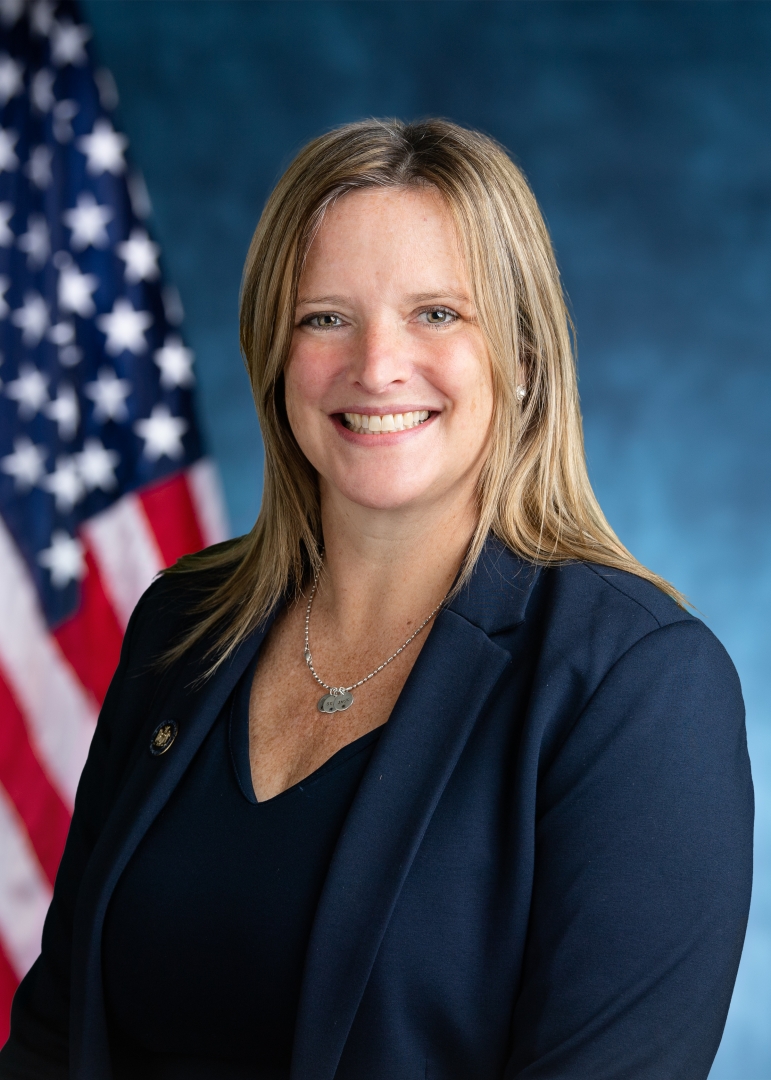
2025 Regular Session Introduced by Sarah Clark and 5 co-sponsors

Allows charges to be filed after the standard three-year window for defined crimes by certain school educators, affecting students, schools, and prosecutors.

REFERRED TO CODES
0
WeVote Research Nonpartisan
Bill Summary · A 6551

Summary: Bill A 6551 – “Excepts certain crimes committed by certain school educators from the three-year window to bring charges”

Overview

Bill A 6551 seeks to carve out an exception to the current three-year window for bringing charges in certain cases. Specifically, it would apply to offenses committed by certain school educators, allowing charges to be brought outside the standard three-year period. The bill is in the early stage of the legislative process, having been introduced on March 6, 2025 and referred to the Codes committee.

What the bill would do

  • Create a statutory exception to the existing three-year charging window.
  • Target offenses and individuals described as “certain school educators” (the bill text would define the precise scope).
  • Allow prosecutors to bring charges for these defined crimes even if the three-year period has expired, subject to the bill’s definitions and any procedural rules it establishes.

Note: The specific offenses included, the definitions of “certain school educators,” and any conditions or limitations (e.g., retroactivity, tolling, or exceptions) are not provided in the information available. The bill text would detail these elements.

Key provisions (as implied)

  • Extension or removal of the three-year charging window for a defined subset of crimes.
  • Scope limited to offenses committed by school educators meeting the bill’s defined criteria.
  • Administrative and procedural rules likely to accompany the change (e.g., how charges would be initiated, any required reporting, or interplay with existing statutory frameworks). The exact provisions would be described in the enacted text.

Who would be affected

  • School communities (students, staff, families) and school districts/school systems where educators operate.
  • Prosecutors and law enforcement agencies responsible for charging and investigating offenses by educators.
  • Educators who fall within the bill’s defined categories and offenses.

Legislative status and sponsorship

  • Introduced: March 6, 2025
  • Status: REFERRED TO CODES (the committee handling criminal law and related statutes)
  • Sponsors:
    • Jen Lunsford (primary)
    • Jessica Gonzalez-Rojas (cosponsor)
    • William Conrad (cosponsor)

Timeline and next steps

  • With referral to the Codes committee, the bill would move to committee consideration, potential amendments, and a floor vote if it advances.
  • The bill’s passage would depend on committee action, floor action, potential amendments, and broader legislative priorities.

Important caveats

  • The exact crimes covered, definitions of “school educators,” and procedural details are not included in the provided summary. Reading the full bill text is necessary to understand the precise scope, limitations, retroactivity, and implementation requirements.
  • Current status could change as it progresses through committee and floor votes.

Compiled from official sources — confirm details with the bill’s official record.

Sign in to ask a question.