

WeVote

Bill

Bill

SF 4800

Exception to inquiring into pay history that is a matter of public record modification

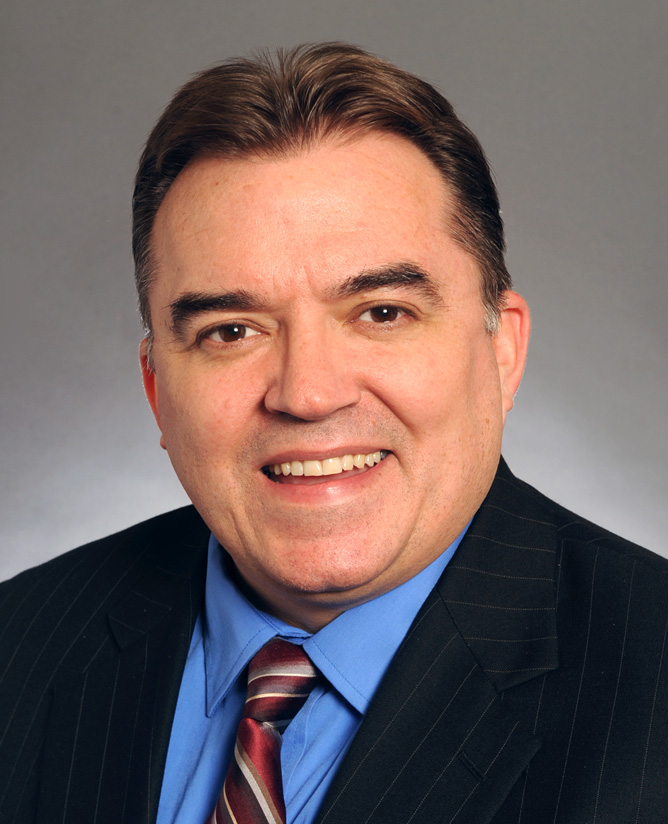
2025-2026 Regular Session Introduced by John Hoffman

The bill creates an explicit exception allowing inquiry into pay history that is part of a public record that has been modified, under defined safeguards.

Referred to Judiciary and Public Safety
0
WeVote Research Nonpartisan
Bill Summary · SF 4800

Summary of SF 4800 (Minnesota 2025-2026)

Overview

  • Jurisdiction: Minnesota
  • Session: 2025-2026
  • Official Title: Exception to inquiring into pay history that is a matter of public record modification
  • Intro/Action: Introduced March 25, 2026; first reading. Referred to the committees of Judiciary and Public Safety.
  • Sponsors: Primary sponsor not listed here; co-sponsor: John Hoffman.

Purpose and Intent

The bill appears to modify existing rules regarding inquiries into an individual’s pay history, specifically providing an exception to prohibitions or restrictions on inquiring into pay history when the pay history is a matter of public record modification. In practical terms, it aims to clarify when an entity may inquire about pay history information that is publicly recorded or updated, potentially balancing protections against pay history discrimination with the needs of parties who engage in legitimate processes affected by public record changes.

Key Provisions (Potential Provisions Based on Title)

Note: The bill’s exact text is not provided here. The following items reflect the typical scope inferred from the title and related pay history reform bills.

  1. Clarification of Exceptions

    • Establishes an explicit exception to existing prohibitions on asking about or using an individual’s pay history during certain processes (e.g., hiring, compensation negotiations) when the pay history information is part of a public record that has been modified.
    • Defines what constitutes a “modification” to pay history in the context of public records.
  2. Public Record Modification Criteria

    • Outlines criteria for when pay history qualifies as a “modification” that justifies inquiry under the exception.
    • May specify that only certain types of public records or specific agencies’ records are eligible.
  3. Safeguards and Limitations

    • May include safeguards to prevent abuse of the exception (e.g., prohibiting use to justify discriminatory pay practices).
    • Could set scope limits (e.g., applies only to formal proceedings, audits, or disclosures required by law).
  4. Definitions

    • Defines key terms: “pay history,” “public record,” “modification,” and “inquiry.”
    • Clarifies who is allowed to inquire (employers, government entities, or other parties) and in what contexts.

Affected Parties and Impacts

  • Individuals (Job Applicants and Employees): The policy change affects how their pay history—if publicly recorded and updated—can be inquired about during certain processes.
  • Employers and Hiring Entities: Potentially granted a narrow exception to consider pay history that has been modified in public records, within defined boundaries.
  • Public Agencies and Record Keepers: Agencies maintaining public pay-history records may have to align with the new exception, including protocols for noting modifications.
  • Legal and Compliance Professionals: May need to adjust compliance practices, training, and policy language to reflect when pay history inquiries are permissible.

Procedural and Timeline Aspects

  • Introduction and First Reading: March 25, 2026.
  • Referral: Judiciary and Public Safety committees.
  • Next Steps: The bill would typically advance through committee hearings, potential amendments, and votes in the Senate. If approved, it would proceed to further readings and votes, and eventually to conference if needed, before possible enactment.

Notes

  • The summary reflects the bill’s stated title and available action history. The exact text would provide precise definitions, scope, and procedural requirements. If you have access to the bill’s full language, I can refine this summary to include specific clauses, numerical thresholds, and exact procedural timelines.

Compiled from official sources — confirm details with the bill’s official record.

Sign in to ask a question.