

WeVote

Bill

Bill

SB 985

ETHICS-TECH

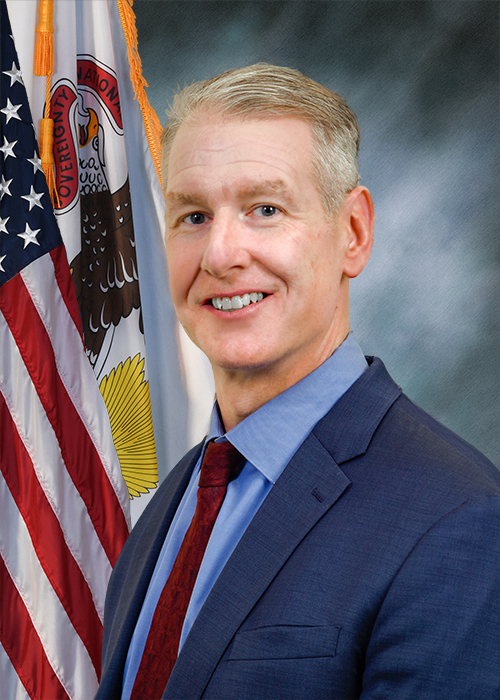
104th Regular Session Introduced by John Curran

Illinois SB 985 requires state agencies to adopt ethical guidelines for AI and emerging technology use, establishing transparency and accountability standards for government decision-making systems.

Rule 3-9(a) / Re-referred to Assignments
0
WeVote Research Nonpartisan
Bill Summary · SB 985

Legislative bill overview

SB 985 establishes ethical guidelines and regulatory requirements for the use of artificial intelligence and emerging technologies by Illinois state agencies and officials. The bill appears to create standards for transparency, accountability, and responsible AI deployment in government decision-making processes.

Why is this important

As AI systems increasingly influence government decisions—from benefit determinations to predictive policing—establishing ethical guardrails protects citizens from algorithmic bias and ensures public confidence in state operations. This reflects a broader national trend of states proactively addressing AI governance gaps before federal standards emerge.

Potential points of contention

  • Implementation costs: Agencies may face significant expenses auditing existing systems, conducting bias testing, and training staff on new AI ethics protocols, raising questions about budget allocation
  • Definitional ambiguity: The bill's scope depends on how broadly "emerging technologies" is defined—overly broad definitions could impose burdensome compliance on minor tech tools, while narrow definitions might miss problematic applications
  • Enforcement mechanisms: Unclear penalties and oversight authority could result in inconsistent compliance across agencies or weak accountability if enforcement lacks teeth

Compiled from official sources — confirm details with the bill’s official record.

Sign in to ask a question.