

WeVote

Bill

Bill

HB 868

Estates and Trusts - Interpretation of Wills - Evidence of Intent (Granny's Law)

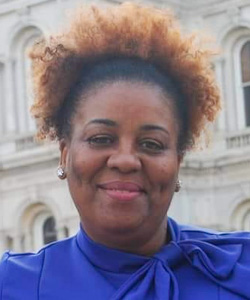
2025 Regular Session Introduced by Jackie Addison and 9 co-sponsors

Maryland bill expands what evidence courts can use interpreting wills, potentially allowing judges to consider documents and circumstances beyond the will's language to determine testator intent.

Hearing 2/27 at 1:00 p.m.
0
WeVote Research Nonpartisan
Bill Summary · HB 868

Legislative bill overview

HB 868, colloquially known as "Granny's Law," modifies Maryland's rules for interpreting wills by expanding what evidence courts can consider when determining a testator's intent. The bill likely allows introduction of extrinsic evidence (documents, statements, circumstances) beyond the four corners of the will itself to clarify ambiguous provisions or demonstrate the testator's true wishes.

Why is this important

Will interpretation directly affects how estates are distributed when testators die, potentially impacting millions in assets and family inheritances. Currently, many states restrict judges to only the will's language itself, which can lead to outcomes that contradict what the deceased person actually intended. Broadening permissible evidence could resolve disputes faster and more fairly, though it also creates opportunities for litigation and contestation.

Potential points of contention

  • Litigation costs and complexity: Allowing extrinsic evidence invites more extensive discovery and courtroom battles, potentially making probate more expensive for estates and families
  • Uncertainty and predictability: Broader evidentiary standards make will outcomes less predictable at drafting time, potentially requiring testators to be more explicit or hire more expensive legal counsel
  • Standards for admissibility: The bill's specific language on what evidence qualifies and how much weight it receives remains unclear without seeing the full text, creating ambiguity about judicial discretion

Compiled from official sources — confirm details with the bill’s official record.

Sign in to ask a question.