

WeVote

Bill

Bill

HB 4777

Establishing Summer Feeding for All Program

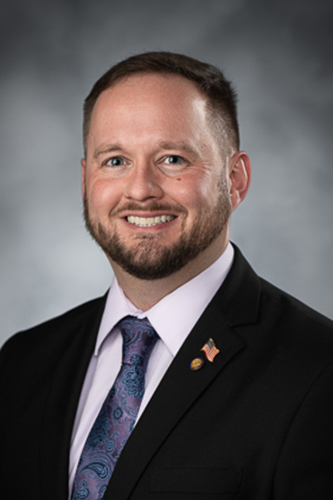
2026 Regular Session Introduced by Elliott Pritt

Creates a state program to provide meals for eligible children during summer to prevent summer hunger in West Virginia.

To House Education
0
WeVote Research Nonpartisan
Bill Summary · HB 4777

Summary of HB 4777 (2026) — West Virginia

Title: Establishing Summer Feeding for All Program

Note: This summary is based on the bill's publicly stated purpose and provisions as indicated in the provided materials, including its sponsor and the bill’s path through the legislature.

1) Purpose and Intent

  • Establish a “Summer Feeding for All” program in West Virginia.
  • The core aim appears to be ensuring no student experiences hunger during summer months by providing meals or meals-related support when school is not in session.
  • The bill is introduced to legislative committees focused on Education and Finance, indicating both program design (educational/operational aspects) and funding considerations.

2) Key Provisions and Changes

  • Program Establishment

    • Creates a state-level program (referred to as “Summer Feeding for All”) to provide meals to eligible children during summer break.
    • Likely intends to align with or expand upon federal Summer Food Service Program (SFSP) principles, though specifics are not fully visible in the available text.
  • Eligibility and Participation

    • Aims to serve all or a broad segment of eligible school-age children during summer, potentially removing or broadening eligibility barriers compared with traditional school-year meal programs.
    • The bill’s language suggests Commonwealth-wide or statewide applicability within West Virginia, covering meals during summer periods.
  • Funding and Finance

    • As the bill moves through Education and then Finance committees, there are anticipated budgetary implications.
    • The Finance committee reference indicates that the bill would address funding sources, allocations, and annual appropriations for the program, including potential federal passthroughs or state contributions.
    • Likely includes reporting and audit requirements to ensure funds are used for intended meals programs.
  • Administration and Compliance

    • The program would require administrative guidelines, oversight, and coordination with school districts, nutrition services, and possibly local governments or nonprofits.
    • May include requirements for meal quality, eligibility verification, safety standards, and program accountability.
  • Implementation Timeline

    • As a 2026 bill, consider phased implementation or an initial pilot period, followed by full rollout, depending on funding and administrative capacity.
    • The scheduling of program start dates, reporting cycles, and renewal of appropriations would be defined in subsequent sections.

3) Who and What is Affected

  • Primary Beneficiaries

    • School-age children in West Virginia who would receive meals during summer months when school is not in session.
  • Implementing Entities

    • State agencies (likely Department of Education and potentially Department of Health and Human Resources or a nutrition/nutrition services office).
    • Local school districts, public schools, and partner organizations (e.g., Community-based organizations, nonprofits, or vendors supplying meals).
  • Stakeholders

    • Families and guardians of participating children.
    • Local governments and community organizations involved in meal distribution.
    • School meal program administrators and nutrition services staff.
    • Policy makers and state budget offices due to funding implications.

4) Procedural and Timeline Considerations

  • Legislative Path

    • Introduced in the House (HB 4777) on January 23, 2026, with referral to Education and then Finance.
    • Sponsor: Co-sponsor Elliott Pritt.
    • Action history shows initial committee referrals, suggesting ongoing committee work prior to potential floor consideration.
  • Implementation Milestones

    • If enacted, expect:
    • Development of program rules and guidelines.
    • State fiscal year budgeting and initial funding allocations.
    • Partnerships with school districts and eligible service sites.
    • Annual reporting, audits, and compliance checks.
  • Reports and Oversight

    • Likely requirement for annual reports to the Legislature on participation, meals served, costs, and outcomes.
    • Monitoring to ensure continuity of access during summer and alignment with federal nutrition programs where applicable.

5) Additional Observations

  • The bill’s Committee path and the inclusion of a Finance reference signal a significant focus on funding and sustainability.
  • The exact meal formats (hot meals, grab-and-go options, or snack programs), specific eligibility criteria, reimbursement rates, and administrative details are not fully visible in the provided text and would be defined in the bill’s full language and any fiscal notes.

If you’d like, I can tailor this summary to emphasize particular sections (e.g., funding mechanics, federal program alignment, or implementation timeline) once the full bill text and fiscal notes are available.

Compiled from official sources — confirm details with the bill’s official record.

Sign in to ask a question.