Summary: Bill A 7679 — Establishes the vacant rental improvement program
Overview
- Bill Number: A 7679
- Title: Establishes the vacant rental improvement program
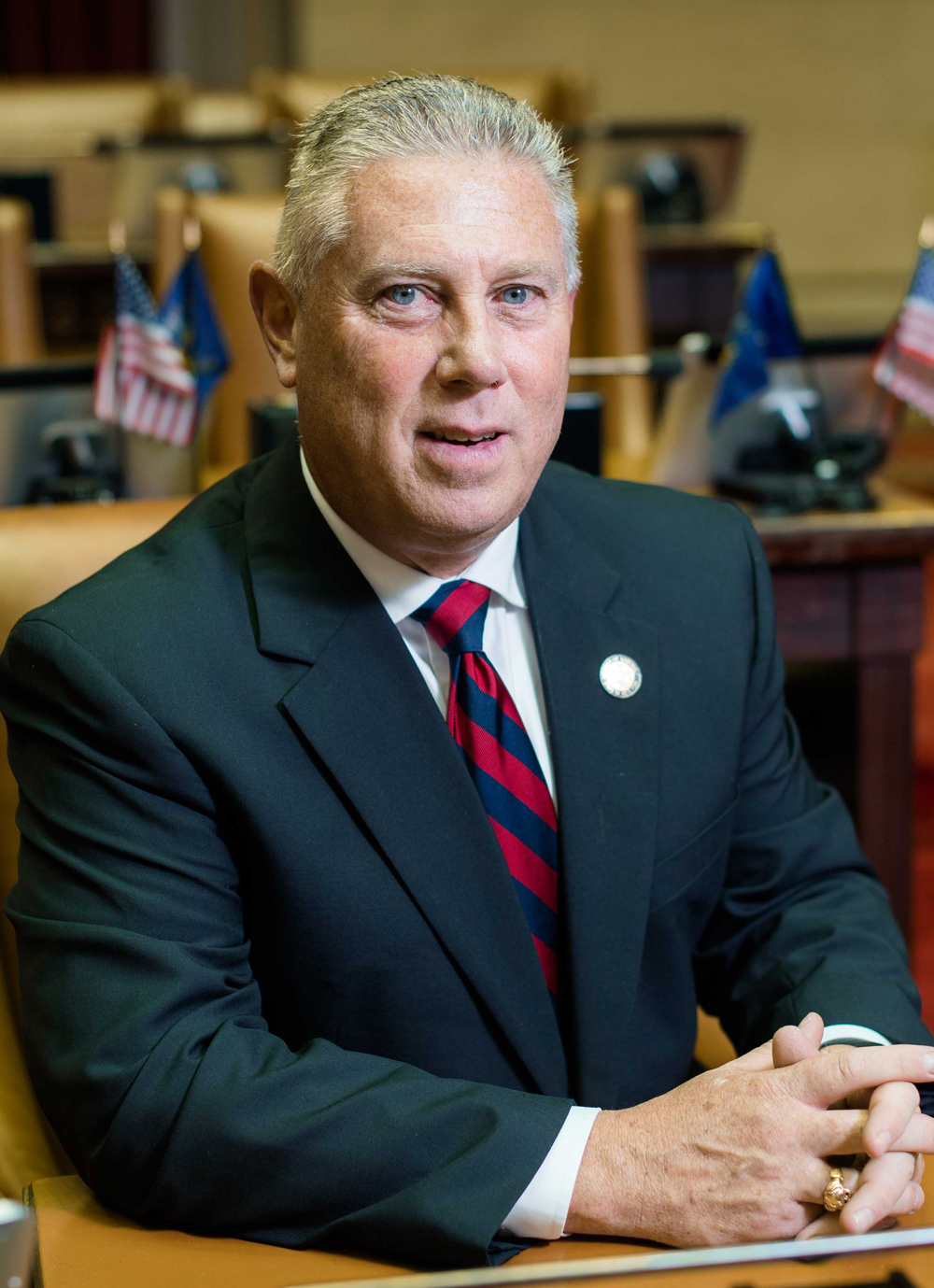
- Sponsor: John T. McDonald III (primary)
- Status: REFERRED TO HOUSING
- Introduced: April 4, 2025
- Legislative actions: On 2025-04-04, the bill was referred to the Housing committee (listed twice in the actions)
- Related legislation: A 9325 (prior-session) and Senate companions S 1399 (two entries)
Purpose and intent
The bill aims to create a program designed to address vacant rental properties. By establishing a formal framework to improve or rehabilitate vacant rentals, the measure intends to reduce vacancy rates, enhance housing stock, and potentially support affordable housing options through targeted incentives or assistance.
Key provisions (draft text not publicly provided)
Because the full bill text is not provided in the materials, the following components are not yet confirmed and would be determined by the enacted language. Typical elements for a “vacant rental improvement program” may include:
- Establishment of a program within a state or local housing agency or department.
- Eligibility criteria for property owners and vacant units (e.g., duration of vacancy, property type, location).
- Eligible improvements or expenditures (e.g., repairs, code compliance, safety upgrades, energy efficiency improvements).
- Financial mechanisms (grants, loans, or rebates; potential caps or match requirements).
- Application, certification, and approval processes.
- Oversight, reporting requirements, and performance metrics.
- Funding sources and appropriation procedures (potential ties to state housing budgets or special funds).
- Compliance timelines, audit provisions, and penalties for noncompliance.
Note: The above elements are common to similar programs and would need to be verified against the final bill text.
Administration and funding (to be determined)
- Likely administrator: a state housing agency or similar department responsible for housing programs.
- Funding: potential state funds, bonds, federal grants, or public-private matching mechanisms. Specific amounts and fiscal impact will be outlined in the bill’s fiscal notes or enacted language.
Affected parties and impacts
- Primary beneficiaries: property owners with vacant rental units seeking rehabilitation or improvement support.
- Secondary beneficiaries: renters seeking improved housing options; local governments and communities aiming to reduce blight and stabilize neighborhoods.
- Industry impacts: contractors and vendors involved in rehabilitation projects may experience increased demand.
Legislative status and timeline
- Status: In committee (Housing). No floor action details are available yet.
- Next steps: The Housing committee may hold hearings, consider amendments, and advance the bill to further stages. If enacted, implementation would follow established regulatory and funding timelines.
Relationship to related bills
- A 9325 (prior-session) and S 1399 (companion) indicate parallel or duplicate proposals in other sessions or in the Senate. Tracking these companion bills can provide clues about intended scope and provisions.
Why this matters
If enacted, A 7679 would create a structured program to incentivize or finance improvements to vacant rental units, potentially expanding available rental housing, stabilizing neighborhoods, and guiding public resources toward revitalization efforts. Final details will depend on the language adopted by the legislature.