

WeVote

Bill

Bill

A 8351

Establishes the right of non-speaking developmentally and otherwise disabled persons to advocate for themselves in educational, medical, legal, and other decisions by using alternative forms of communication

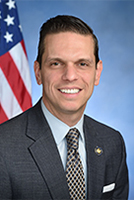
2025 Regular Session Introduced by Angelo Santabarbara

Creates a legal right for non-speaking individuals with disabilities to advocate for themselves via alternative communication in education, medical, and legal decisions.

REFERRED TO PEOPLE WITH DISABILITIES
0
WeVote Research Nonpartisan
Bill Summary · A 8351

Summary of Assembly Bill A 8351

Overview

A 8351 would establish and protect the right of non-speaking developmentally and otherwise disabled persons to advocate for themselves in educational, medical, legal, and other decisions through alternative forms of communication. The bill is currently REFERRED TO THE PEOPLE WITH DISABILITIES committee. It was introduced on May 13, 2025 and carries Angelo Santabarbara as the primary sponsor.

Purpose and Intent

  • Create a legally recognized right for non-speaking individuals with developmental or other disabilities to participate in decisions affecting them.
  • Enable advocacy through alternative forms of communication (e.g., nonverbal or assistive communication methods) to ensure informed input and consent in key decision areas.
  • Promote autonomy, participation, and inclusion in educational, medical, legal, and other decision-making contexts for the affected population.

Key Provisions (as stated)

  • Establishment of a right for non-speaking disabled individuals to advocate for themselves using alternative forms of communication.
  • The bill identifies educational, medical, legal, and “other decisions” as areas where self-advocacy should be supported, though specific implementation details are not provided in the available summary.
  • The text does not publicly enumerate procedural steps, required supports, or enforcement mechanisms within this summary. If enacted, provisions may address recognition of communication methods, accommodations, and protections for the rights of the individual.

Affected Parties

  • Non-speaking developmentally disabled persons and others who rely on alternative communication methods.
  • Educational settings (schools and programs), medical providers, legal institutions, and other decision-making bodies that interact with affected individuals.
  • Families, caregivers, and advocates who support and facilitate communication and decision-making.

Procedural Timeline and Status

  • Introduced: May 13, 2025.
  • Status: Referred to the Committee on People with Disabilities.
  • Legislation actions recorded on May 13, 2025 include at least one referral to the same committee (duplicate entry shown in the record).

Sponsor

  • Primary sponsor: Assemblymember Angelo Santabarbara.

Notes

  • The summary reflects the information provided; the full text would clarify specific implementation details, definitions (e.g., what constitutes “alternative forms of communication”), and any funding or regulatory requirements.

Compiled from official sources — confirm details with the bill’s official record.

Sign in to ask a question.