

WeVote

Bill

Bill

A 1205

Establishes the position of chief artificial intelligence officer

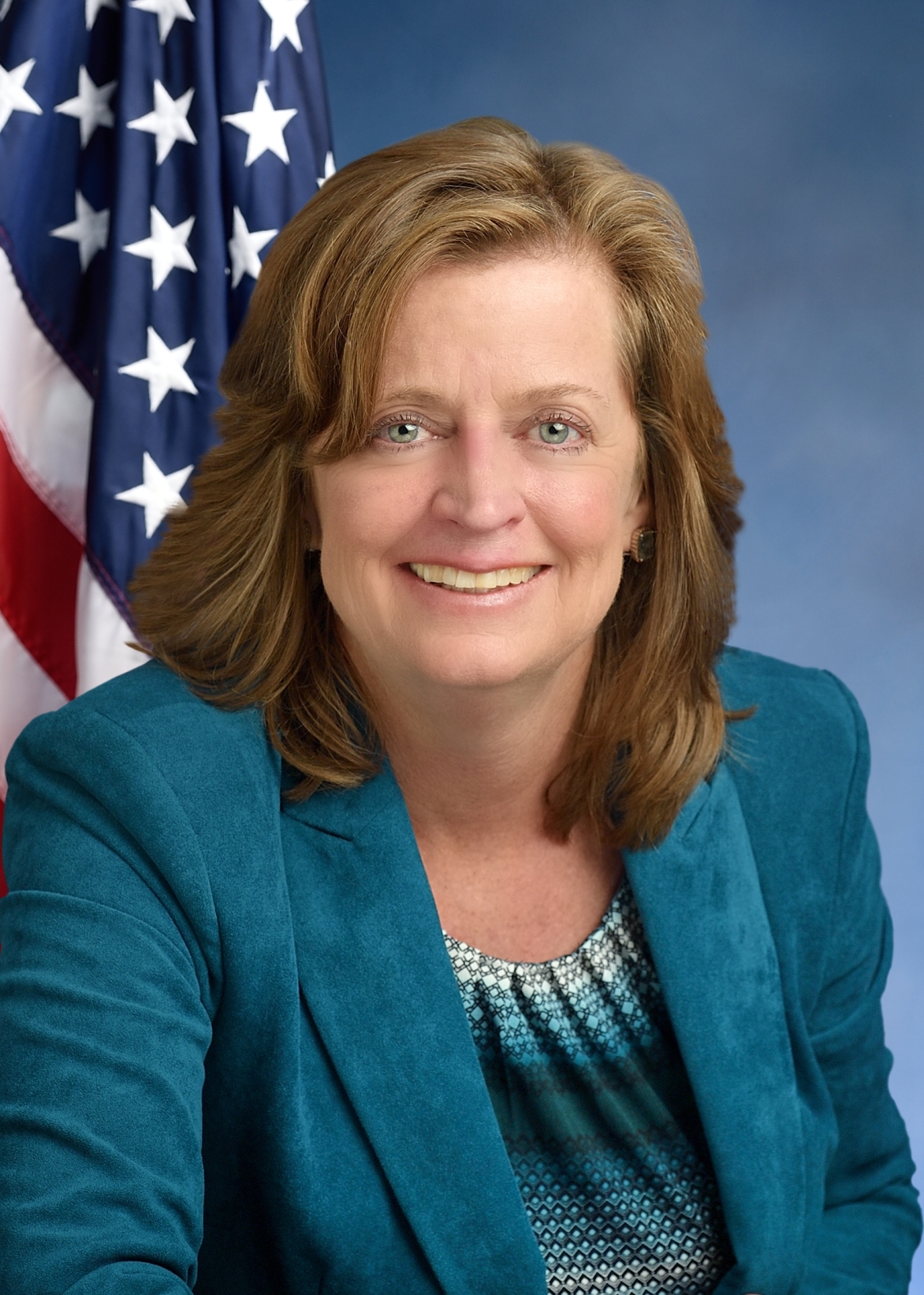
2025 Regular Session Introduced by Judy Griffin and 3 co-sponsors

Bill A 1205 creates a Chief Artificial Intelligence Officer to oversee AI initiatives in state government, ensuring ethical standards and public interests are prioritized.

REFERRED TO GOVERNMENTAL OPERATIONS
0
WeVote Research Nonpartisan
Bill Summary · A 1205

Summary of Bill A 1205: Establishes the Position of Chief Artificial Intelligence Officer

Purpose and Intent

Bill A 1205 aims to establish the position of Chief Artificial Intelligence Officer (CAIO) within the state government. The primary intent of this legislation is to enhance the state's capacity to manage and oversee the development, implementation, and regulation of artificial intelligence technologies. By creating this role, the bill seeks to ensure that AI initiatives align with public interests, ethical standards, and regulatory frameworks.

Key Provisions

  • Creation of the CAIO Position: The bill mandates the establishment of a Chief Artificial Intelligence Officer, who will be responsible for overseeing AI-related initiatives across various state departments.

  • Responsibilities of the CAIO:

    • Develop and implement a comprehensive AI strategy for the state.
    • Ensure compliance with ethical standards and regulations pertaining to AI technologies.
    • Facilitate collaboration between government agencies, private sector stakeholders, and academic institutions on AI projects.
    • Monitor advancements in AI and recommend policy adjustments as necessary.
  • Reporting Structure: The CAIO will report directly to the Governor and will be part of the executive leadership team, ensuring that AI considerations are integrated into broader state policy decisions.

Who Would Be Affected

  • State Government: The establishment of the CAIO will impact various state agencies that utilize or are involved with AI technologies, requiring them to coordinate with the CAIO on relevant projects.

  • Private Sector: Businesses and organizations developing or implementing AI solutions will need to engage with the CAIO's office to ensure compliance with state regulations and standards.

  • Public: Citizens may benefit from improved oversight and ethical considerations in AI applications that affect public services, privacy, and security.

Procedural Aspects

  • Current Status: As of January 9, 2025, Bill A 1205 has been referred to the Governmental Operations Committee for further consideration.

  • Related Legislation: This bill is related to prior-session Bill A 10231 and has a companion bill, S 933, which may address similar issues or provide additional context for the establishment of the CAIO.

Conclusion

Bill A 1205 represents a proactive approach to managing the complexities of artificial intelligence within state governance. By establishing a dedicated Chief Artificial Intelligence Officer, the bill aims to ensure that AI technologies are developed and implemented responsibly, with a focus on ethical standards and public welfare. The ongoing legislative process will determine the final structure and authority of this new position.

Compiled from official sources — confirm details with the bill’s official record.

Sign in to ask a question.