

WeVote

Bill

Bill

A 2182

Establishes the Non-Degree Proprietary School Supervision and Student Protection Act

2025 Regular Session Introduced by Alicia Hyndman

Establishes licensing and state oversight for non-degree proprietary schools, boosting student protections with disclosures, refunds, complaints, and clear program outcomes.

REFERRED TO HIGHER EDUCATION
0
WeVote Research Nonpartisan
Bill Summary · A 2182

Summary of Bill A 2182 – Non-Degree Proprietary School Supervision and Student Protection Act

status: REFERRED TO HIGHER EDUCATION
introduced: January 15, 2025
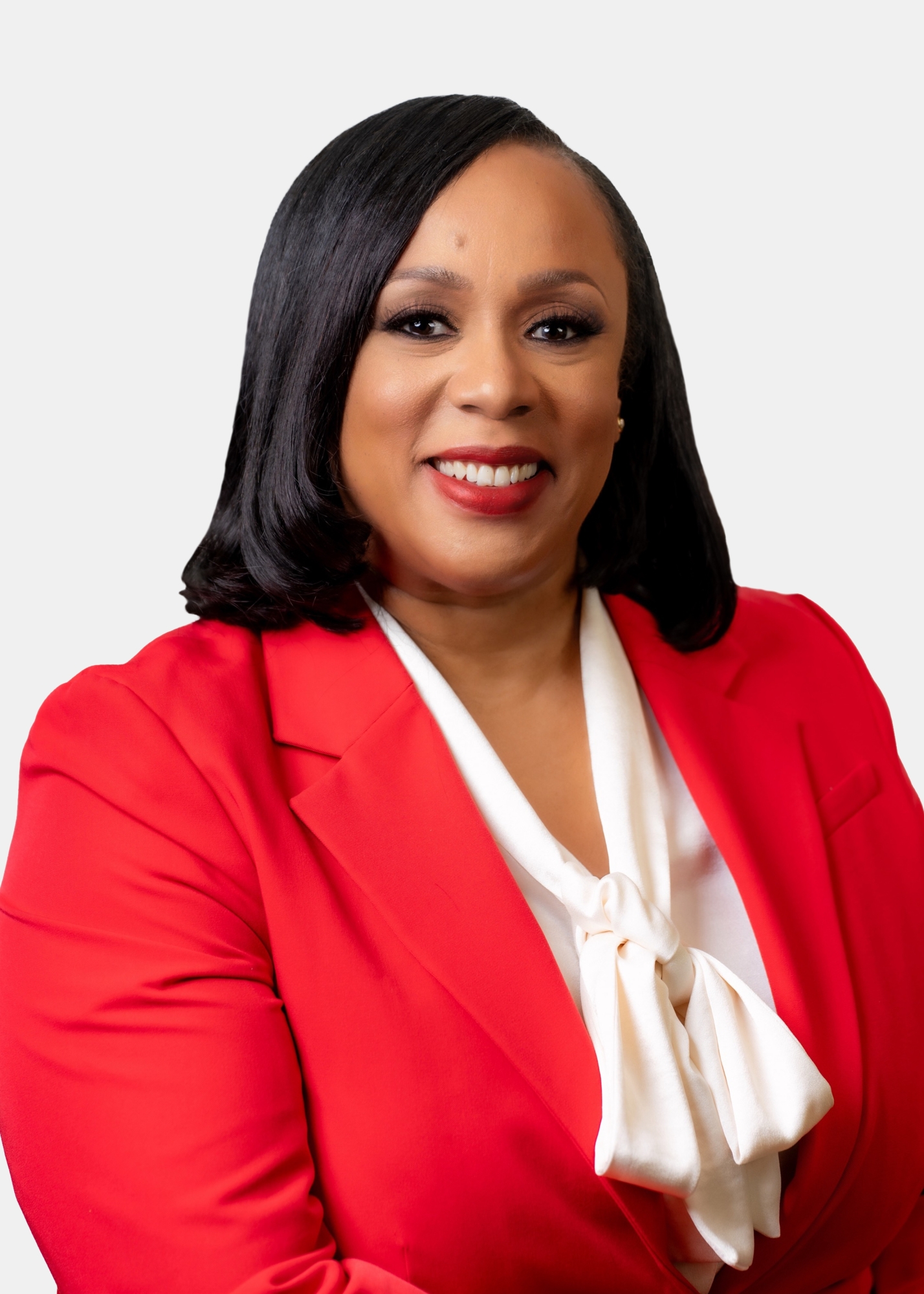
sponsor: Alicia Hyndman (primary)
related bills (prior-session): A 8170, A 2364, A 2372

Purpose and intent

  • Establishes a formal framework to supervise non-degree proprietary schools (private career/for-profit schools) and to enhance protections for students enrolled in or considering these programs.
  • Aims to improve oversight, accountability, transparency, and consumer protections within non-degree proprietary education offerings.

Key provisions (as implied by the bill’s title and purpose)

Note: The exact statutory text is not provided here. The following categories reflect typical elements of an act with this purpose and would be expected to appear in the bill’s provisions. The actual bill should be consulted for precise language.

  • Licensing/registration

    • Create a registration or licensure regime for non-degree proprietary schools operating within the state.
    • Establish criteria schools must meet to be authorized to operate (e.g., financial stability, program integrity, faculty qualifications).
  • Oversight and reporting

    • Designate a state agency (likely the higher education department) to supervise these schools.
    • Require periodic reporting on program outcomes, finances, advertising accuracy, and student protections compliance.
  • Consumer disclosures and transparency

    • Mandate clear disclosures regarding program costs, duration, completion/credential outcomes, accreditation status (if applicable), and job placement expectations.
    • Prohibit deceptive or misleading advertising and enrollment practices.
  • Student protections

    • Enforce tuition and refund policies, including protections related to program withdrawal, withdrawal refunds, and handling of prorated tuition.
    • Provisions related to closure or program termination (e.g., student notification, continuation options, and access to records).
  • Financial safeguards

    • Possible requirements for financial assurances, bonds, or escrow arrangements to protect students in case of school closure or insolvency.
  • Enforcement and penalties

    • Establish enforcement mechanisms for violations (licensing actions, fines, suspension or revocation of authorization).
  • Student complaints and dispute resolution

    • Provide a formal process for student complaints and a mechanism to resolve issues between students and schools.
  • Transition and implementation

    • Set effective dates, potential phase-in periods, and any necessary regulatory rules or guidance to accompany the act.

Affected parties

  • Non-degree proprietary schools operating in the state (and new applicants seeking authorization).
  • Current and prospective students of these programs.
  • Employers and industry partners who rely on program outcomes and credentials.
  • State higher education department and consumer protection/enforcement agencies.

Procedural and timeline considerations

  • Introduced and first referred to the Higher Education Committee on January 15, 2025.
  • The bill’s progress currently shows ongoing referral to the Higher Education committee; as with similar bills, a detailed timeline will depend on committee actions, potential amendments, and floor consideration.
  • Related bills from prior sessions (A 8170, A 2364, A 2372) indicate ongoing interest in refining oversight of non-degree proprietary education.

Potential impact and considerations

  • Strengthened oversight could improve student protections against misleading practices and ensure clearer program outcomes.
  • Possible compliance costs for proprietary schools (reporting, disclosures, licensing).
  • Greater transparency may influence enrollment decisions and market dynamics in the non-degree proprietary sector.
  • Stakeholders may monitor for unintended consequences, such as barriers to entry that could affect program availability or access to career training.

Next steps for readers

  • To understand the precise provisions, read the bill’s full text once released by the sponsor or legislative clerk.
  • Track committee hearings and amendments in the Higher Education committee for A 2182’s trajectory and potential changes.

Compiled from official sources — confirm details with the bill’s official record.

Sign in to ask a question.