Summary — A5429 (Print 5429A)
Title: Establishes the New York Workforce Stabilization Act requiring certain businesses to conduct artificial intelligence impact assessments on the application and use of such artificial intelligence
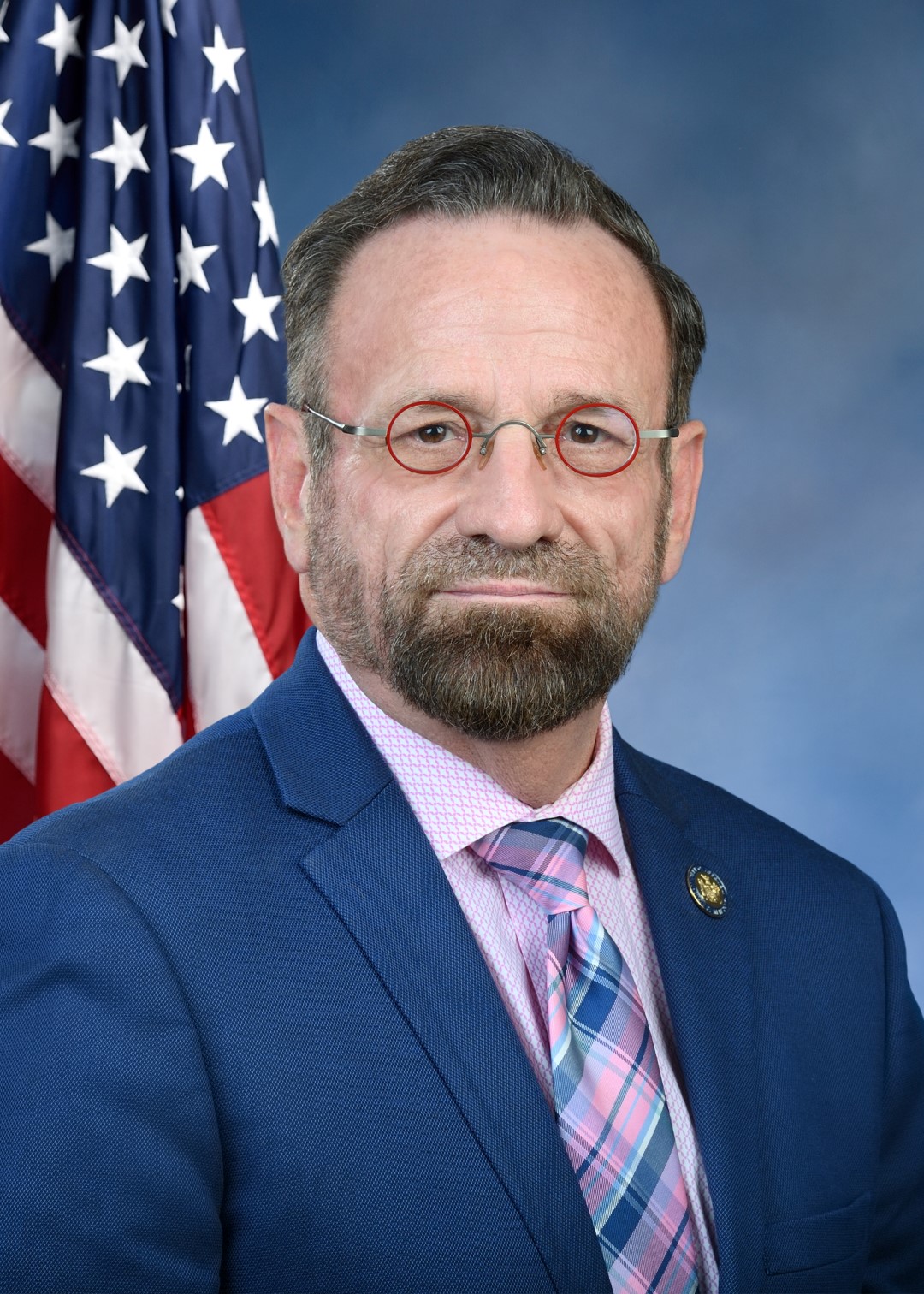
Status: Print Number 5429A. Introduced March 10, 2025. Referred to Assembly committees (Commerce; later to Labor). Sponsor: Assemblymember Harry B. Bronson. Companion/related measures: S1275, S1854, S9401 (prior session).
Note on source material: the legislative text provided with this request contains unrelated or corrupted content (a PDF stream and a New Jersey sales-tax-for-reusable-bags draft). The summary below is based on the bill title, status, sponsor and committee referrals supplied. For the definitive legal language and specific requirements, consult the official printed bill A5429A on the New York State Assembly legislative website or the bill clerk.
Purpose and intent
- The bill’s stated purpose is to establish a “Workforce Stabilization Act” focused on the responsible deployment of artificial intelligence (AI) by requiring designated businesses to perform AI impact assessments. The aim is to identify and mitigate potential negative effects of AI on workers, employment practices, and related workforce stability concerns.
Key provisions (based on bill title and common legislative practice)
- Requirement that certain employers conduct AI Impact Assessments (AIIAs) before deploying or materially changing AI systems that affect employment, hiring, supervision, discipline, performance evaluation, or worker assignment.
- AIIAs would likely need to evaluate risks to jobs, worker displacement, disparate impacts or discrimination, privacy concerns, safety, and interoperability with existing labor protections.
- Possible requirements for documentation, internal mitigation plans, and periodic reassessments after deployment or material change.
- Provisions for public disclosure or reporting to a state agency (e.g., Labor Department) or affected employees, and for retention of assessment records for a specified period.
- Potential enforcement mechanisms (civil penalties, stop-use orders, or administrative oversight), and exemptions or thresholds (e.g., business size, sector, or limited-use AI).
- May include worker participation/notification rights and require consultation with labor representatives where applicable.
Who would be affected
- Employers and businesses in New York that deploy AI systems that materially affect the workforce (exact thresholds and covered entities would be specified in the bill text).
- Employees and job applicants whose evaluations, assignments, or employment outcomes are influenced by AI.
- State agencies charged with oversight, enforcement, or receiving reports.
- Vendors and developers of AI systems who may need to supply technical information for assessments.
Potential impacts
- Increased transparency about how AI affects employment decisions and workforce stability.
- Better identification and mitigation of discriminatory, privacy, or safety risks.
- Compliance costs for businesses (conducting assessments, preparing mitigation plans, reporting) which could be higher for smaller firms unless exemptions apply.
- Possible slowing of rapid AI deployments affecting employees, balanced against improved worker protections.
Procedural / timeline aspects
- Introduced March 10, 2025; referred to Assembly committees (Commerce; Labor). Print number 5429A issued June 2, 2025. Next steps typically include committee hearings, possible amendments, committee votes, and floor consideration in each house; companion Senate measure(s) progress may affect final language and enactment timing.
Recommendation
- Review the official printed A5429A text and any committee memos or fiscal notes to confirm definitions (e.g., which businesses and AI systems are covered), timelines, reporting formats, enforcement details, and any exemptions. Contact the sponsor’s office or committee staff for legislative intent and expected amendments.