Summary — A5022 (Establishes New Jersey occupational heat stress standard)
Purpose
- Establishes an occupational heat stress standard and program to prevent heat‑related illness and injury for workers in New Jersey. The bill requires employers to maintain written heat‑illness prevention plans and directs state agencies to develop standards, model plans, and enforcement mechanisms.
Key provisions
- Rulemaking deadline: Commissioner of Labor and Workforce Development must adopt a heat stress standard by June 1, 2025.
- Employer plans: Every employer must develop, implement, maintain, and annually review an effective heat‑related illness and injury prevention plan. The commissioner will publish a model plan employers may adopt or adapt.
- Plans must, to the extent permitted by federal law, be developed with meaningful employee/representative participation, be tailored to workplace hazards, be in writing in English and in any language each affected employee understands, and be made available to employees, their representatives, and the commissioner.
- Model plan elements include training for employees and supervisors and sections for high‑risk worksites.
- Minimum plan requirements (at least):
- Initial and ongoing monitoring of heat exposure;
- Immediate access to potable water (temperature guidance: “cool” 66–77°F; “cold” 35–65°F) located safely near workers;
- Paid rest breaks and access to shade, cool‑down areas, or climate‑controlled spaces;
- Emergency response procedures for heat injuries;
- Limits on duration of heat exposure;
- Heat alert program (for outdoor and non‑climate‑controlled indoor workplaces) tied to National Weather Service forecasts, with actions such as postponing non‑essential tasks during alerts.
- Enforcement: Establishes an Occupational Heat‑Related Illness and Injury Prevention Program within the Department of Labor and Workforce Development with authority to audit, investigate, and issue stop‑work orders (site‑specific or across employer worksites). Employers can appeal and request administrative hearings.
- Remedies and penalties: The bill authorizes monetary and other penalties for violations and protects workers from retaliation (civil action permitted). Committee amendments clarify that certain penalties may be imposed in addition to or instead of others, and set statute‑of‑limitations rules (generally six years; 1 year for retaliation claims).
- Federal alignment: State law must yield where a subsequent federal heat standard provides greater protections.
- Exemptions and agricultural rules: Exempts amusement parks and certain emergency or life‑protection operations while engaged in those tasks. Commercial farms are otherwise excluded from the bill, but the Department of Agriculture — in consultation with Labor, Health, and Rutgers’ Agricultural Experiment Station — must develop a separate heat standard for commercial farm operators.
Who is affected
- All public and private sector employers and employees in New Jersey except limited exemptions; commercial farms are excluded from this statute but subject to a separate Department of Agriculture standard. Local governments and school districts will be subject to the requirements.
Fiscal and administrative impact
- Office of Legislative Services estimates at least $65,000 one‑time cost (two FTEs for three months to draft regulations/model plan) and at least $615,000 annually (approx. five FTEs) for the Department of Labor and Workforce Development to run enforcement.
- State and local employers face indeterminate one‑time and ongoing compliance costs (plan development, training).
- Judiciary may incur additional costs because the bill permits civil suits; state fine/penalty revenue is indeterminate.
Status and procedural history
- Introduced Nov. 14, 2024; referred to Assembly Labor Committee.
- Reported from Assembly Labor Committee with committee amendments (Feb. 20, 2025) and referred to Assembly Appropriations. Current status: REFERRED TO LABOR (as of Feb. 10, 2025 entries in bill history).
Sponsors and related measures
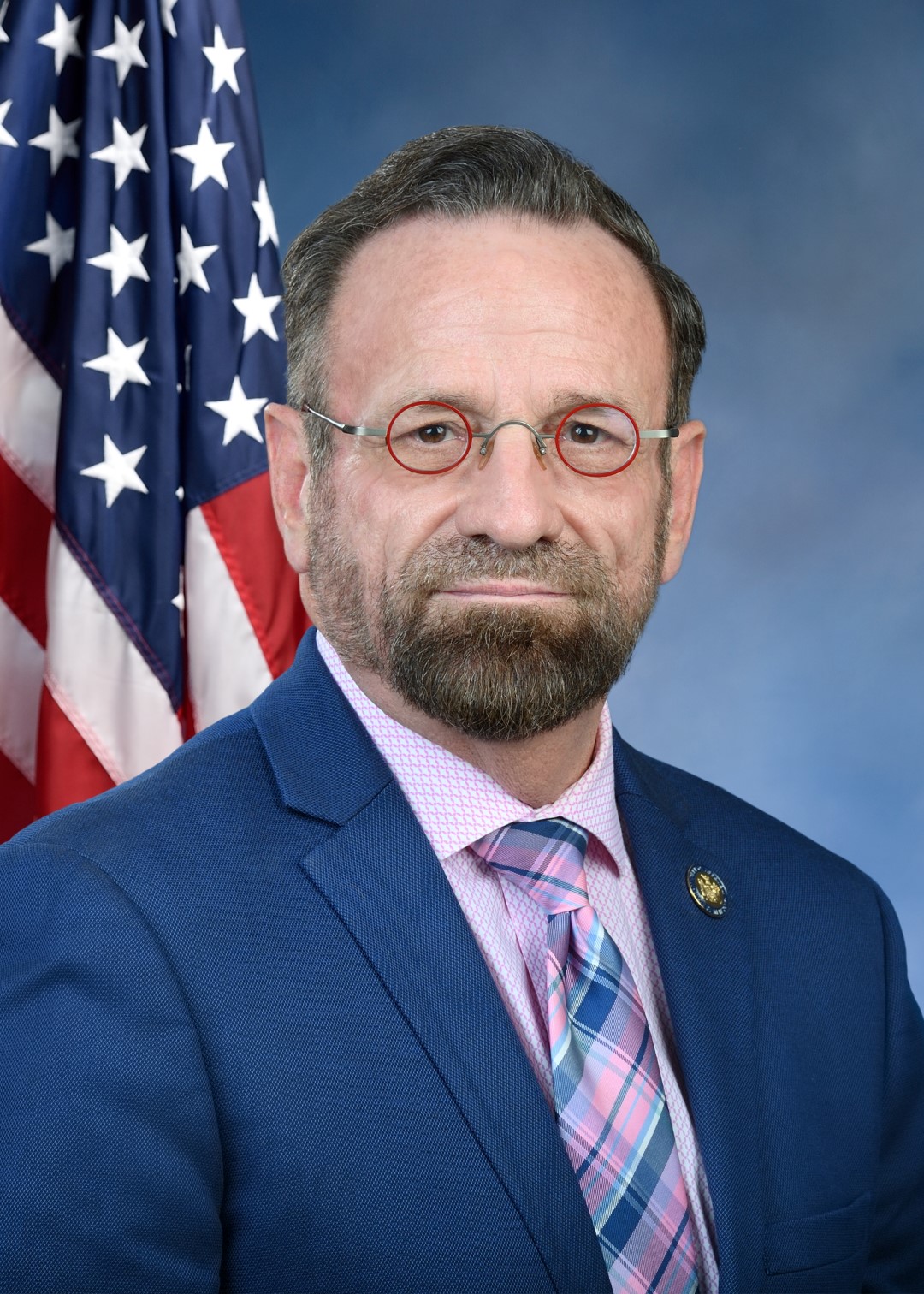
- Primary sponsor: Asm. Harry B. Bronson; cosponsors Angelo Santabarbara and Rebecca Seawright.
- Related/companion bills: S3884, S2455; prior‑session A9281.
(Prepared from bill text, Assembly Labor Committee statement, and Legislative Fiscal Estimate.)