

WeVote

Bill

Bill

A 10354

Establishes the New York State grid reliability and energy affordability transition (GREAT) act

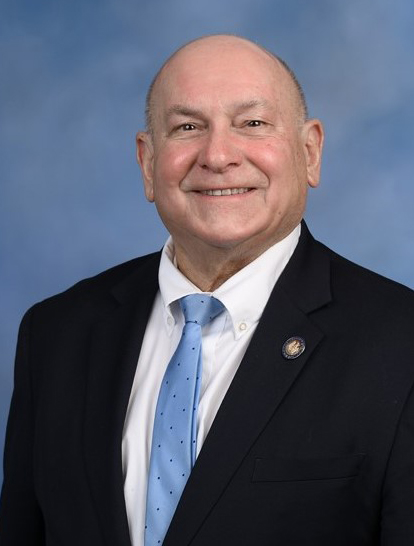
2025 Regular Session Introduced by Chris Burdick and 7 co-sponsors

The bill creates a statewide Virtual Power Plant program to aggregate DERs, improve grid reliability, cut costs, and accelerate clean energy, with protections for customers.

PRINT NUMBER 10354A
0
WeVote Research Nonpartisan
Bill Summary · A 10354

Overview

A 10354-A enacts the New York State grid reliability and energy affordability transition (GREAT) Act. The bill creates a statewide Virtual Power Plant (VPP) program within Article 12 of the Public Service Law, establishing a framework for aggregating distributed energy resources (DERs) to support the electric grid, lower costs, and reduce emissions. Utilities, aggregators, and customers participate through defined riders, with compensation, performance targets, and reporting requirements.

Main purpose and intent

  • Improve grid reliability during peak demand and extreme weather.
  • Lower electricity costs for ratepayers, particularly in disadvantaged communities.
  • Accelerate the deployment and compensation of distributed energy resources (DERs) such as batteries, electric vehicles, and controllable devices (e.g., smart thermostats).
  • Expand the use of virtual power plants to defer or avoid costly grid upgrades and reduce dependence on polluting peaking plants.

Key provisions and changes

  • Creation of a statewide VPP program with a dedicated legal framework (Article 12) and definitions for DERs, aggregators, riders, grid services, and related terms.
  • Program structure:
    • Utilities must file a VPP proposal within 90 days of enactment, with public notice, comments, and at least two public hearings (one in a disadvantaged community). The Commission must approve the proposal within 90 days of closing comments.
    • Utilities file a program tariff (including battery rider and non-battery rider; electric vehicle rider optional) within 30 days after approval, with Commission approval within 45 days.
    • Program tariffs must include minimum system peak load reduction services and may include other grid services (clean peak, congestion relief, avoidance/deferral of upgrades, ancillary services, etc.).
  • Participation and compensation:
    • Aggregators and direct participants have defined enrollment, dispatch, and payment mechanics.
    • Participants may receive performance payments for grid services, with rates tied to:
    • System peak load reduction (min: sum of capacity value + demand reduction value).
    • Locational system relief services (minimum tied to locational value).
    • Payments follow methodologies based on the Commission’s Value of Distributed Energy Resources (VDER) framework; rates reviewed periodically.
    • Five-year term enrollment for the current rate, with option to reenroll at updated rates after each term.
    • Ability for participants to receive payments directly or assign to a third party; payments issued at least annually (more frequently if approved).
  • Service offerings and measurement:
    • Battery performance measured at the inverter; non-battery and EV performance measured at device or alternative approved methods.
    • Grid event parameters include frequency, duration, lead time, notification, eligible devices, and protections for participants.
  • Participation rules and protections:
    • Non-discriminatory access to data; customers informed of rights and potential dispatch adjustments, with right to disenroll.
    • Utilities cannot classify utility-owned DERs as program participants; utilities/affiliates cannot be aggregators.
    • Provisions for customer data privacy and no mandatory collateral from aggregators.
  • Costs and cost recovery:
    • Utilities may recover prudently incurred program-related costs and payments to participants through Commission-approved mechanisms; potential for a just and reasonable rate of return on approved costs.
  • Targets and accountability:
    • The Commission will set system peak load reduction targets for each utility for at least 10 years, with annual benchmarks and performance incentives.
    • Incentives may include metrics, dashboards, financial rewards/penalties, and expansion to additional grid services.
    • Emphasis on benefits to disadvantaged communities, low-to-moderate-income customers, and cost reductions.

Who is affected

  • Utilities and their customers across New York State.
  • Aggregators (entities enrolling and managing participants) and direct participants (individual customers enrolling directly).
  • DER providers (batteries, non-battery resources, electric vehicles) and third-party energy resource management system providers (with restrictions).
  • Disadvantaged communities and low-to-moderate income households targeted for enhanced benefits.

Timelines and implementation

  • Effective date: immediate.
  • Utility VPP proposals due: within 90 days of effective date.
  • Public comment and hearings: per proposal, with hearings in the utility’s territory (one in disadvantaged community).
  • Commission decision on proposals: within 90 days after comment period.
  • Tariff proposals filed within 30 days after approval; tariff approval within 45 days.
  • EV rider: optional initially; if not included, must be approved within 2 years.
  • Annual reporting: utilities must file yearly performance and participation data.
  • Ongoing: annual updates to performance payment rates and periodic reviews by the Commission.

This bill aims to codify a robust VPP framework to modernize New York’s energy system, improve reliability, cut costs, and advance clean energy goals, with strong emphasis on protections for customers and especially disadvantaged communities.

Compiled from official sources — confirm details with the bill’s official record.

Sign in to ask a question.