Summary — A3999: Establishes the mechanical insulation energy savings program
Status snapshot
- Bill number: A3999 (Assembly)
- Title: Establishes the mechanical insulation energy savings program
- Introduced: January 30, 2025
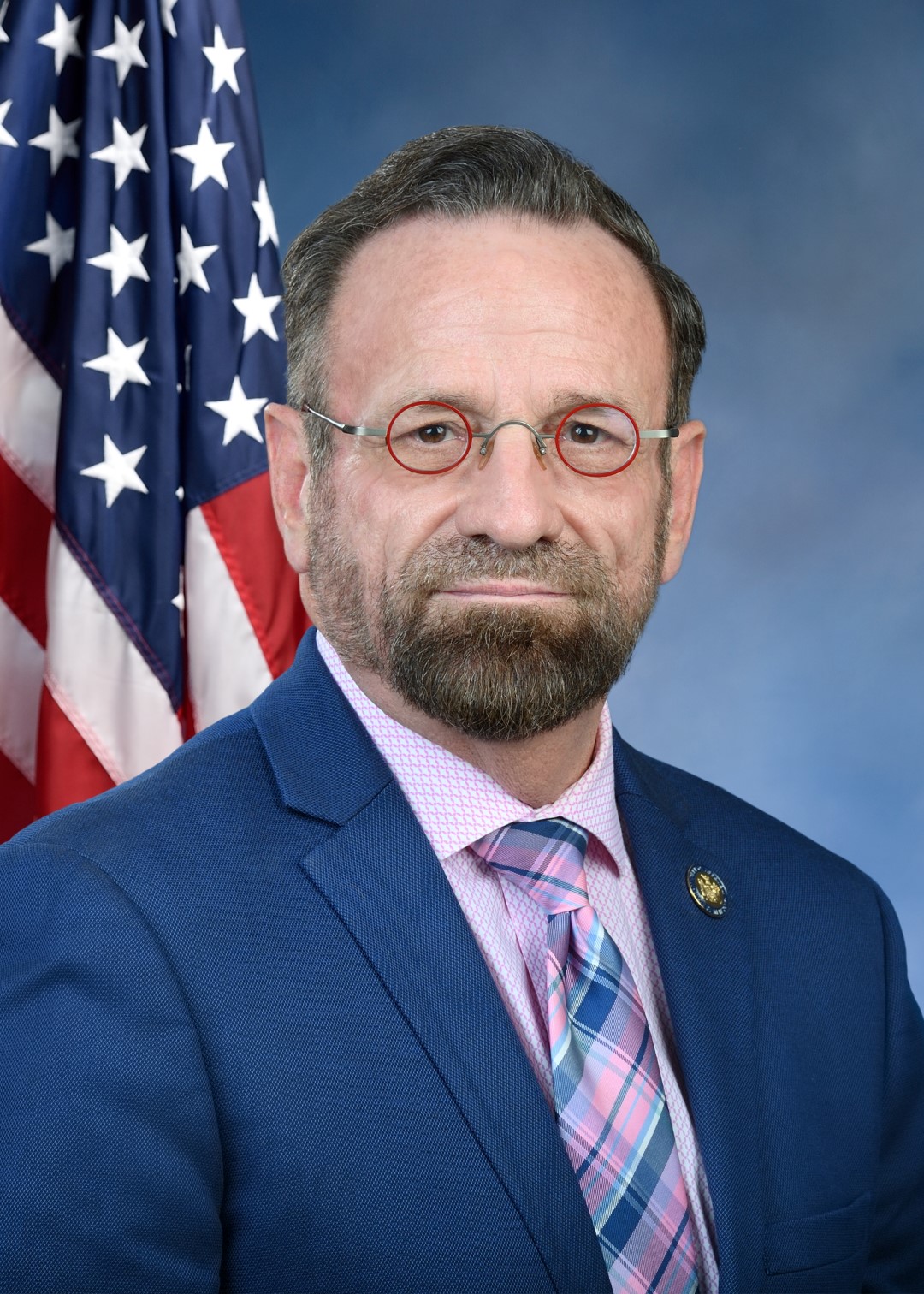
- Primary sponsor: Assemblymember Harry B. Bronson; cosponsor: Angelo Santabarbara
- Current status: Substituted by S2457B (June 17, 2025). Reported and advanced through committee activity in May–June 2025 (prints A3999A/B); referred among Corporations, Authorities and Commissions → Energy → Ways and Means before Rules and third-reading action in June 2025.
Note on available materials
- The full bill text was not provided. The summary below describes the bill’s stated purpose and typical components of a “mechanical insulation energy savings program” based on the bill title and standard legislative practice. Where the specific provisions or dollar amounts are not available in the provided metadata, the summary identifies likely elements and potential impacts rather than quoting exact statutory language.
Purpose and intent
- The bill’s primary purpose is to create a statewide program to increase mechanical insulation (for example, insulation on pipes, ducts, boilers, and mechanical equipment) with the objective of saving energy, reducing greenhouse gas emissions and utility costs, and improving system efficiency in buildings and industrial facilities.
Key provisions (likely or typical elements contained in such a bill)
- Program establishment: Creates and defines a “Mechanical Insulation Energy Savings Program,” including an administering entity (often a state agency or public benefit corporation such as NYSERDA or a utilities-administered program).
- Eligibility: Identifies eligible sites (commercial, industrial, institutional, multifamily residential, and/or public buildings) and eligible measures (pipe/duct insulation, boiler insulation jacketing, flange/pump insulation, HVAC mechanical piping).
- Financial incentives: Authorizes rebates, grants, low-interest loans, or performance-based incentives to offset installation costs and encourage retrofit and new-construction insulation measures.
- Technical assistance and workforce development: Provides for technical audits, savings estimates, qualified contractor lists, training or certification programs for insulation installers, and quality-assurance protocols.
- Measurement and verification: Sets requirements for tracking energy savings, reporting outcomes, and verifying installed work to ensure claimed savings.
- Prioritization and equity: May prioritize projects in high energy-burden communities, low-income housing, or facilities serving vulnerable populations.
- Coordination: Directs coordination with utilities, state energy agencies, and existing energy-efficiency programs to avoid duplication and maximize leverage.
Who would be affected
- Beneficiaries: Building owners/operators (commercial, industrial, institutional, multifamily), developers, and occupants through reduced energy bills and improved comfort.
- Service providers: Mechanical insulation contractors, manufacturers and suppliers of insulation materials, and workforce training providers.
- State and local agencies: Entities responsible for administering incentives, verification, and reporting.
- Utilities and ratepayers: Depending on program funding (state appropriation, utility-administered funds, or ratepayer-funded programs), costs and benefits could be distributed differently.
Potential impacts
- Energy and cost savings: Insulating mechanical systems can reduce heat loss/gain and improve system efficiency, reducing fuel and electricity consumption.
- Emissions reductions: Lower energy use translates to reduced greenhouse gas and air pollutant emissions, contributing to climate and clean-air goals.
- Economic and workforce effects: Increased demand for insulation work could create or sustain jobs in construction and manufacturing; training and certification components can support higher-quality installations.
- Fiscal considerations: The magnitude of state or utility expenditures, budgetary impact, and cost-effectiveness depend on program design and funding levels (not available in the provided metadata).
Legislative history and next steps
- A3999 was amended and printed as A3999A and A3999B, reported out of committee, sent to Rules and ordered to third reading in June 2025, and was substituted by the Senate companion bill S2457B on June 17, 2025. Substitution means the Senate version will carry forward further action; interested parties should track S2457B for the current legislative vehicle and consult the full text of that substitute for final provisions.
If you’d like, I can:
- Retrieve and summarize the full bill text (A3999 and S2457B) and provide exact statutory language changes, funding amounts, and implementation timelines, or
- Produce a side-by-side comparison of A3999/A3999B and S2457B showing substantive differences.