

WeVote

Bill

Bill

A 2101

Establishes the green affordable pre-electrification program

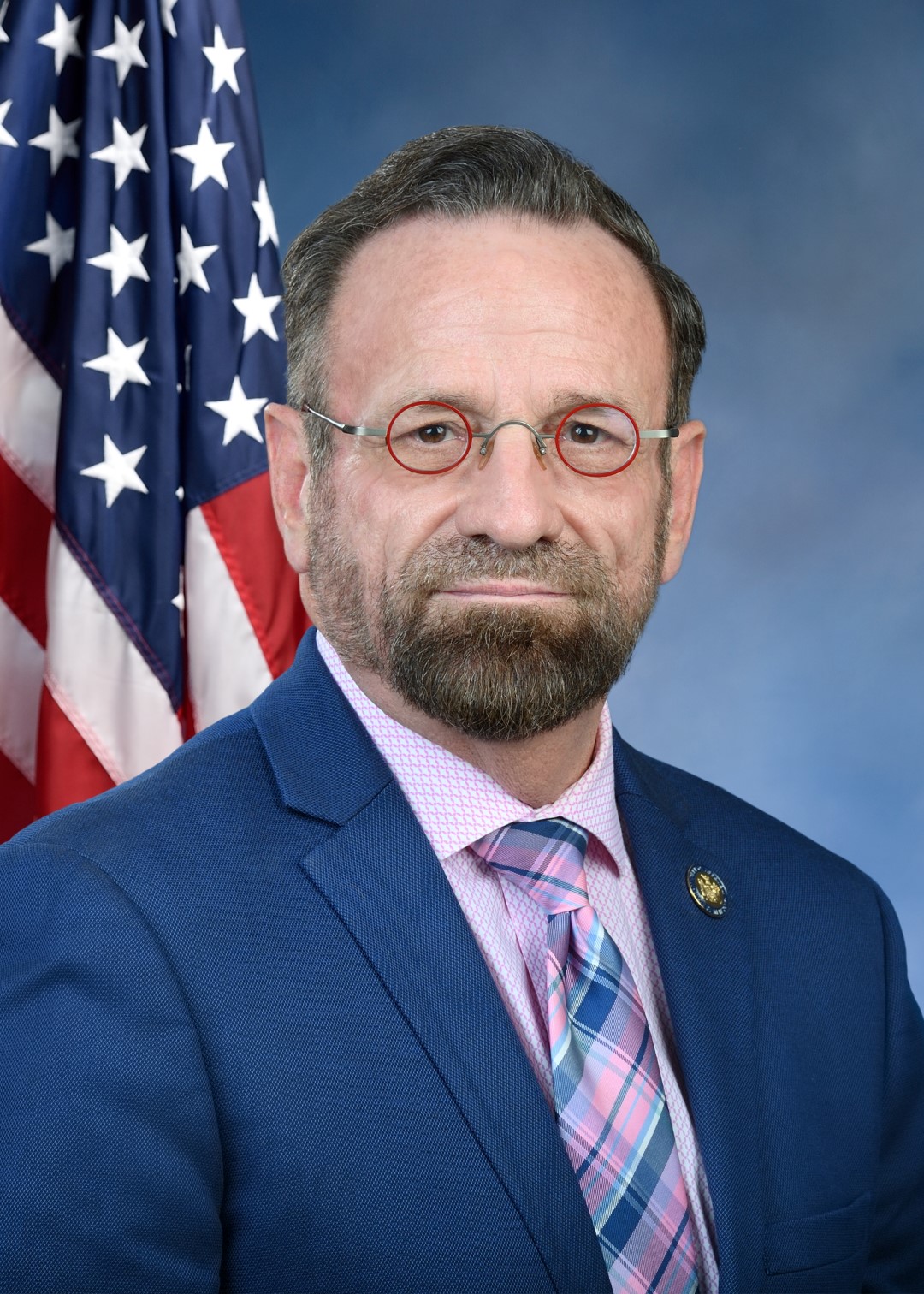
2025 Regular Session Introduced by Harry Bronson and 32 co-sponsors

Bill A 2101 establishes a program to provide financial aid for low- and moderate-income households to transition to electric heating and cooking, promoting green energy.

PRINT NUMBER 2101A
0
WeVote Research Nonpartisan
Bill Summary · A 2101

Summary of Bill A 2101: Green Affordable Pre-Electrification Program

Bill Overview

Bill Number: A 2101
Title: Establishes the Green Affordable Pre-Electrification Program
Status: PRINT NUMBER 2101A
Introduced: January 15, 2025
Classification: Bill

Purpose and Intent

The primary purpose of Bill A 2101 is to establish a program aimed at facilitating the transition to electrification in residential and commercial buildings. This initiative is designed to promote the use of green energy sources, thereby reducing reliance on fossil fuels and contributing to environmental sustainability. The bill seeks to make electrification more affordable and accessible, particularly for low- and moderate-income households.

Key Provisions

  • Program Establishment: The bill creates the Green Affordable Pre-Electrification Program, which will provide financial assistance and incentives for households and businesses to transition to electric heating and cooking appliances.
  • Eligibility Criteria: The program will prioritize low- and moderate-income households, ensuring that financial barriers do not hinder access to clean energy technologies.
  • Incentives Offered: The bill outlines various forms of assistance, including rebates, grants, and low-interest loans for eligible participants to cover the costs of purchasing and installing electric appliances.
  • Partnerships: The program may involve partnerships with local governments, non-profit organizations, and utility companies to enhance outreach and support for participants.

Affected Parties

  • Households: Low- and moderate-income families will benefit directly from the financial incentives and support provided by the program.
  • Businesses: Small businesses may also be eligible for assistance, promoting the adoption of electric technologies in commercial settings.
  • Utility Companies: The bill may impact utility providers by increasing demand for electric services and potentially requiring adjustments to infrastructure.

Legislative Timeline

  • January 15, 2025: Bill A 2101 is introduced and referred to the Committee on Corporations, Authorities, and Commissions.
  • March 21, 2025: The bill's reference is changed to the Committee on Energy.
  • April 17, 2025: The bill is amended and recommitted to the Energy Committee, followed by the printing of the updated version (2101A).

Related Legislation

  • A 9170: A prior-session bill that may have laid the groundwork for the current proposal.
  • S 3315: A companion bill in the Senate that aligns with the objectives of A 2101, potentially facilitating a more comprehensive legislative approach to electrification.

Conclusion

Bill A 2101 represents a significant step towards promoting green energy and electrification in New York State. By focusing on affordability and accessibility, the program aims to support vulnerable populations in transitioning to cleaner energy sources, ultimately contributing to broader environmental goals. The ongoing legislative process will determine the final structure and funding of the program, with potential implications for energy policy and community health.

Compiled from official sources — confirm details with the bill’s official record.

Sign in to ask a question.