

WeVote

Bill

Bill

A 241

Establishes the child care professionals loan forgiveness incentive program

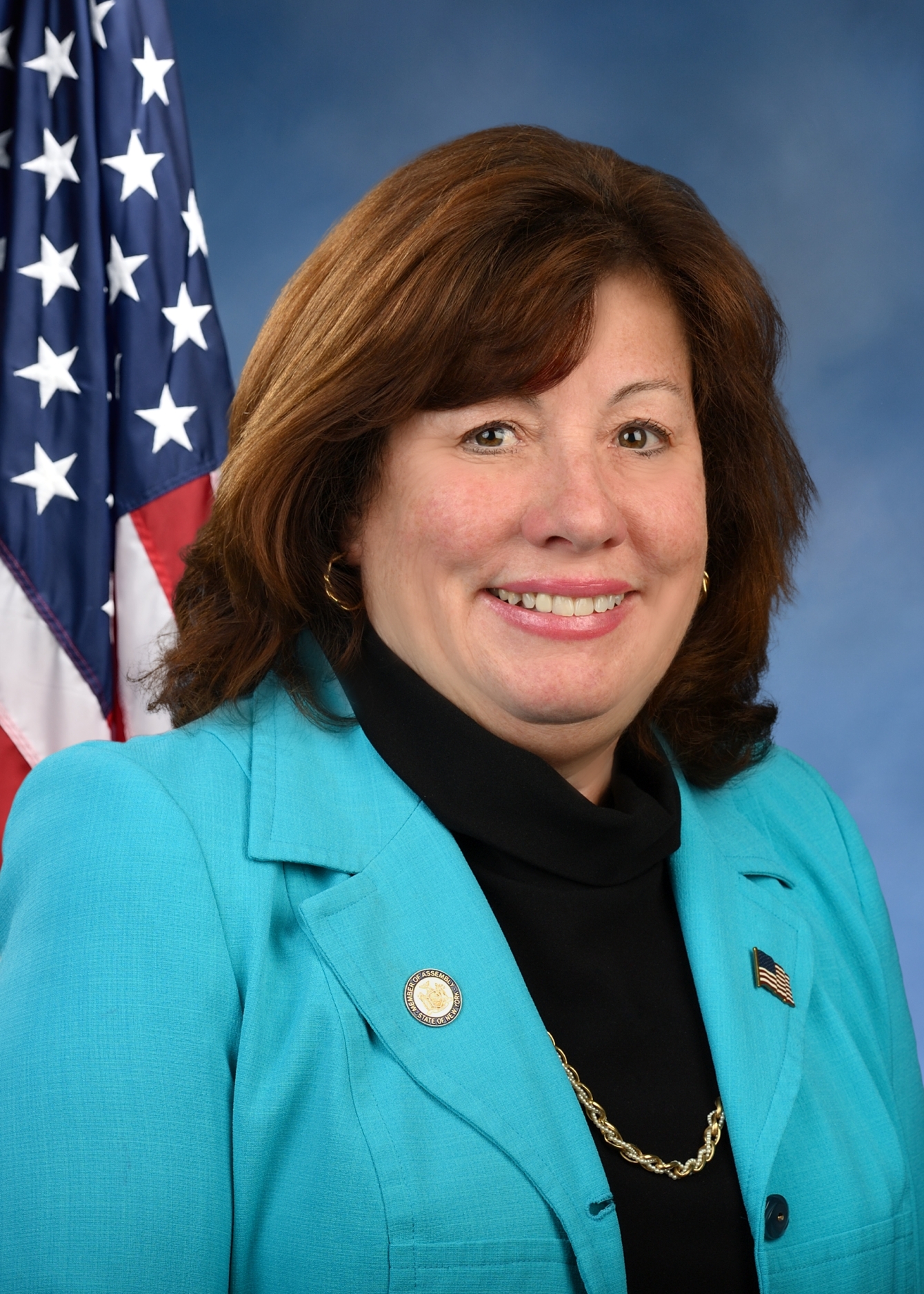
2025 Regular Session Introduced by Marianne Buttenschon and 1 co-sponsor

Establishes a state loan-forgiveness program for child care professionals to ease education debt and boost recruitment and retention in early childhood education.

REFERRED TO HIGHER EDUCATION
0
WeVote Research Nonpartisan
Bill Summary · A 241

Summary of New York A 241 — Establishes the child care professionals loan forgiveness incentive program

Quick overview

  • Bill number: A 241
  • Title: Establishes the child care professionals loan forgiveness incentive program
  • Sponsor(s): William Magnarelli (primary); Marianne Buttenschon (cosponsor)
  • Status: Referred to Higher Education (Assembly)
  • Introduced: January 8, 2025
  • Related actions: Referred to Higher Education on 2025-01-08 (listed twice in the record)
  • Companions: Senate companion S 164 (listed)

Purpose and intent

A 241 seeks to create a state-level loan forgiveness incentive program aimed at child care professionals. The bill’s core objective appears to be to reduce the financial barriers associated with training and education for individuals in the child care field, thereby supporting workforce recruitment and retention in early childhood education settings.

Key provisions (high-level, as detailed in materials provided)

  • Program establishment: Creates a dedicated loan forgiveness incentive program for child care professionals.
  • Eligibility and participants: The materials do not specify exact eligibility criteria or participant requirements; these would be defined in the program rules accompanying the bill.
  • Loan forgiveness terms: Specific forgiveness amounts, service requirements (e.g., years of service, type of employment), and any caps on forgiveness are not detailed in the provided information.
  • Administration and oversight: The bill would establish or authorize an administering body (likely a higher education agency or department) to run the program, though exact administrative provisions are not specified here.
  • Funding and financing: The source and level of funding (e.g., annual appropriations, grants, or dedicated fund) are not described in the materials provided.
  • Reporting and evaluation: Provisions for program reporting, performance metrics, and periodic evaluation are not listed in the supplied summary.
  • Timeline and implementation: No specific start date or phased rollout is included in the materials provided; these would be addressed in the enacted bill and any accompanying budget language.

Who would be affected

  • Primary beneficiaries: Child care professionals who carry student or education-related loans and meet the program’s eligibility criteria (to be defined by the bill’s rules).
  • Institutions and agencies: Likely the state higher education department or relevant state education authorities would administer the program; partnerships with lenders or educational institutions could be involved.
  • Broader impact: Potential improvement in recruitment and retention of qualified staff in the child care sector; potential effects on state education funding and workforce development initiatives.

Procedural and timeline notes

  • The bill has been assigned to the Assembly Committee on Higher Education for consideration. No further timeline details are provided in the current record.
  • A related Senate companion exists (S 164), indicating cross-chamber interest in the concept.

Related context

  • Several prior-session related bills (A 1715, A 405, A 4152, A 3265, A 6759, A 509, A 2907, A 1298, A 186) and the Senate companion S 164 suggest ongoing parliamentary interest in loan forgiveness or workforce support for child care professionals.

If you’d like, I can add a section outlining typical legislative provisions for loan forgiveness programs (e.g., eligibility scenarios, service-year requirements, funding mechanisms) based on similar bills to help readers anticipate potential built-in details.

Compiled from official sources — confirm details with the bill’s official record.

Sign in to ask a question.