

WeVote

Bill

Bill

A 4940

Establishes procedures regarding orders of post-termination visitation and/or contact between a child and such child's parent

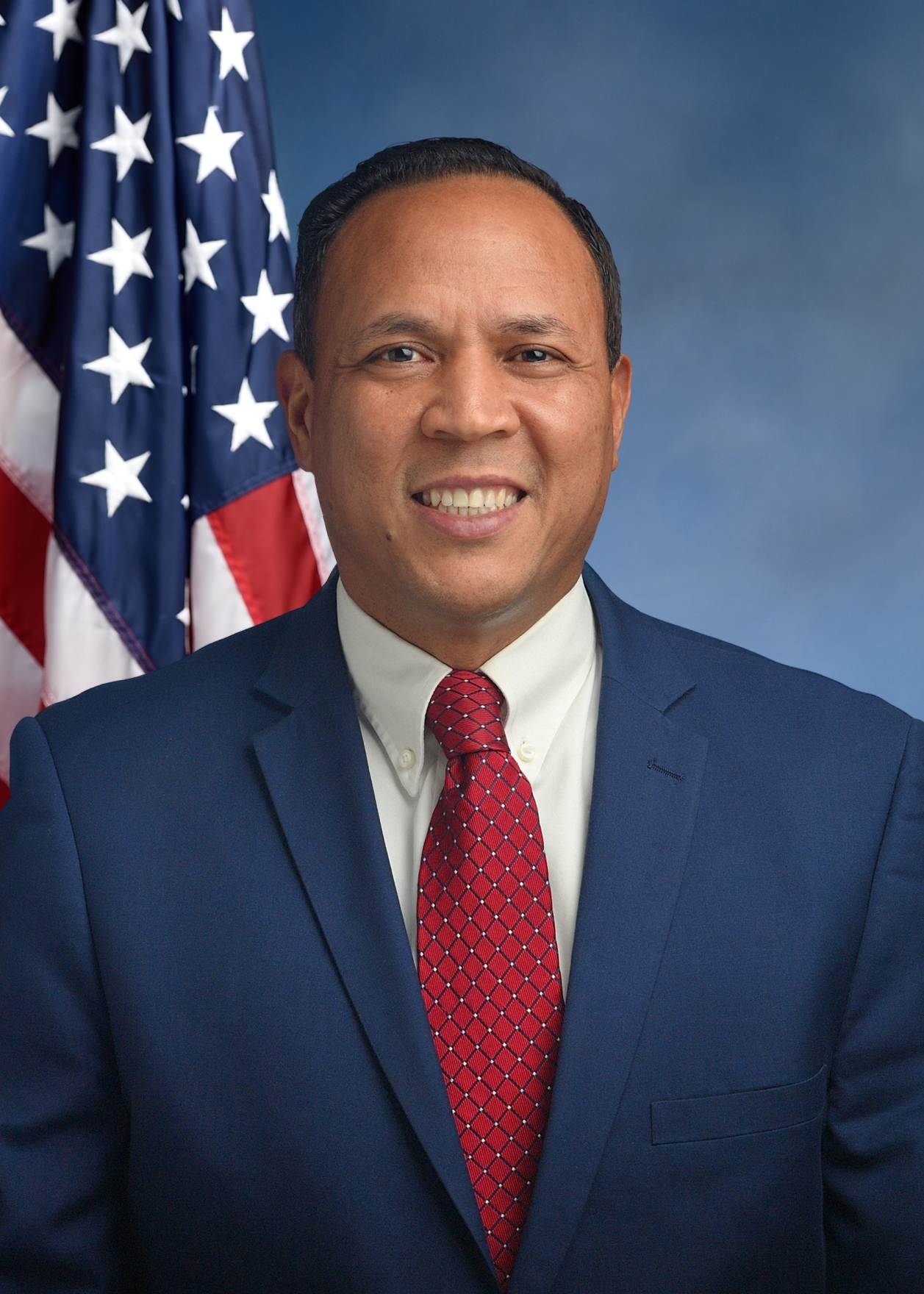
2025 Regular Session Introduced by George Alvarez and 23 co-sponsors

Creates a court framework for limited post-termination visitation/contact between a child and a terminated parent, with safeguards, supervision options, and best-interest findings.

REFERRED TO JUDICIARY
0
WeVote Research Nonpartisan
Bill Summary · A 4940

Summary — A.4940 (Print No. 4940B)

Title: Establishes procedures regarding orders of post-termination visitation and/or contact between a child and such child's parent
Introduced: February 10, 2025 (Referred to Judiciary) — Print Nos. A4940A (2/28/25) and A4940B (5/13/25) — Amended and recommitted to Judiciary (5/13/25)

Note: The bill text itself was not provided in the materials above. The summary below describes the bill’s stated purpose and the likely/typical provisions such legislation contains, together with the bill’s sponsors and procedural status.

Purpose / Intent

A.4940 would create a statutory framework for courts to consider and enter orders permitting limited post-termination visitation and/or contact between a child and a parent whose parental rights have previously been terminated. The aim is to establish clear procedures, standards and safeguards for any such contact when it is sought after termination of parental rights.

Key provisions (by topic)

Because the full bill text is not included, these describe the types of provisions that A.4940’s title indicates it would establish:

  • Definitions — who qualifies as a “parent” or “child” for post-termination contact; types of “contact” (in-person, electronic, supervised).
  • Who may petition — e.g., the terminated parent, family members, the child (if of age), child welfare agency, or the child’s guardian/adoptive parent.
  • Standard for granting contact — a required judicial finding that post-termination contact is in the child’s best interests and will not cause harm (likely enumerating factors the court must weigh).
  • Procedural protections — required notice to interested parties (including adoptive parents or guardians), mandatory hearing, opportunity for evidence, and appointment of counsel or guardian ad litem for the child as appropriate.
  • Conditions and limits — ability to order supervised contact, conditions (time, location, monitoring), and temporal limits or review schedule.
  • Interaction with adoption/guardianship — clarity that such orders do not automatically alter adoption or guardianship status, and the rights/responsibilities of adoptive parents or legal guardians.
  • Ability to modify or terminate — procedures for modification or revocation if circumstances change.
  • Recordkeeping and review — requirement that court make specific findings on the record, and potential appeals process.

Who would be affected

  • Children whose parents’ rights have been terminated.
  • Parents with terminated rights seeking contact.
  • Adoptive parents, legal guardians, and custodians.
  • Child welfare agencies, family courts and judges.
  • Attorneys, guardians ad litem, and service providers who may participate in supervised contact.

Legislative status and sponsors

  • Primary sponsor: Assemblymember Yudelka Tapia.
  • Cosponsors include: Sarahana Shrestha; Gabriella Romero; Alicia Hyndman; Andrew Hevesi; Demond Meeks; George Alvarez; Zohran Mamdani; Emily Gallagher; Catalina Cruz; Phara Souffrant Forrest; Steven Raga; Al Taylor; Karines Reyes; Anna Kelles; Jen Lunsford; Ron Kim; Sarah Clark.
  • Procedural actions: Referred to Judiciary (2/10/25); printed as A4940A (2/28/25); amended and recommitted and printed as A4940B (5/13/25).
  • Companion bill: S5240 (Senate).

Potential impacts / considerations

  • Seeks to balance the child’s safety and stability with limited opportunities for appropriate family connections after termination.
  • Would require family courts to make careful best-interest findings and could increase hearings and judicial workload in dependency/adoption dockets.
  • Implementation will raise questions about supervision resources, agency involvement, and how orders interact with pending or completed adoptions.

For precise statutory language, operative definitions, enumerated factors, and procedural deadlines, consult the bill text (Print No. 4940B) on the legislature’s website or the Judiciary Committee files.

Compiled from official sources — confirm details with the bill’s official record.

Sign in to ask a question.