

WeVote

Bill

Bill

A 11083

Establishes hate crimes against police officers

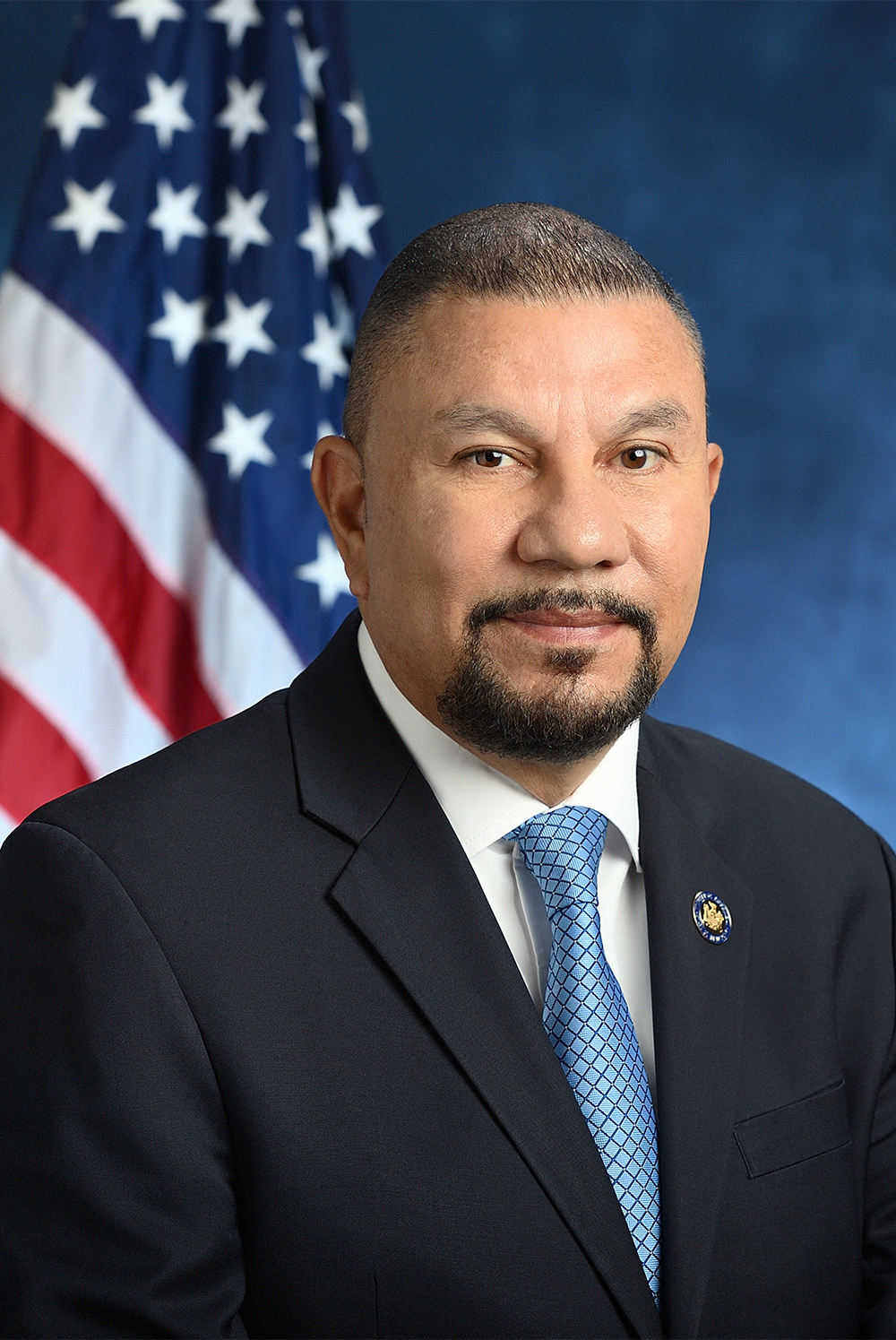
2025 Regular Session Introduced by Phil Ramos

Creates a distinct hate-crime offense for murders targeting police or peace officers because of their status, with aligned charging and procedures.

REFERRED TO CODES
0
WeVote Research Nonpartisan
Bill Summary · A 11083

Bill Summary — A.11083 (2025-2026 Session, New York)

Title

Establishes hate crimes against police officers

Purpose and intent

  • Create and define a specific hate crime offense when a motorist or assailant targets police or peace officers because of their status as such.
  • Aligns criminal penalties and charging language with other hate crime statutes, ensuring enhanced consideration and treatment for offenses motivated by the victim’s role as a police or peace officer.

Key provisions and changes

1) New hate crime offense: Penal Law § 485.07

  • Establishes “Hate crimes against police officers.”
  • A person commits this hate crime if:
    • They commit murder in the first degree, aggravated murder, or murder in the second degree (under existing sections 125.27, 125.26, 125.25).
    • The victim is a police officer (as defined in § 1.20(34) of the Criminal Procedure Law) or a peace officer (various classifications in § 2.10, including employees of the division for youth).
    • The defendant selects the victim specifically because the victim is a police officer or peace officer.
  • This creates a distinct hate-crime designation for certain homicide offenses when the victim is a law enforcement officer.

2) Corrections Law modification

  • Amends Correction Law, § 205(1)(i) to include “a hate crime as defined in section 485.07” (in addition to existing hate crime definitions).

3) Criminal Procedure Law modifications

  • Amends CPL, § 150.20(1)(i) to include a provision that, for cases charged as hate crimes under § 485.07, the defendant must be 18 years or older (consistent with existing hate crime charging provisions).

4) Grand jury and accusatory instruments language (Criminal Procedure Law)

  • Updates required language in indictments/ informations so that:
    • When prosecuting under article 485 (hate crimes), the designated offense is clearly stated as a hate crime (e.g., “the specified offense ... as a hate crime”).
    • Also aligns with other specific offenses designated in the document (e.g., terrorism, sexually motivated felony, public corruption crime), and requires explicit designation of hate-crime status.

5) New York City Administrative Code references

  • Updates to several sections to recognize and reference hate crimes as defined in § 485.07:
    • Administrative Code § 9-131(aa2) (or similar) clarifies hate crime recognition when it constitutes a felony.
    • Administrative Code § 14-154(aa2) similarly references hate crimes defined in § 485.07 if felonious.
    • Administrative Code § 14-161(c) defines “hate crime” to have the meaning of § 485.05 or § 485.07 of the Penal Law.

6) Effective date

  • Takes effect on November 1 of the year following enactment.

Who is affected

  • Defendants who commit homicide offenses (first-degree murder, aggravated murder, second-degree murder) where the victim is a police officer or peace officer and the offender targeted the victim for being a law enforcement officer.
  • Victims: police officers and peace officers in New York.
  • Prosecutors and courts: required to charge/honor the hate-crime designation when applicable and to use the updated accusatory language.
  • State and local agencies (including NYC administrative bodies) that reference hate-crime definitions in charging and processing.

Procedural and timeline notes

  • Introduced April 24, 2026; referred to the Committee on Codes.
  • Effective date is November 1 following enactment.
  • The bill updates multiple legal frameworks (Penal Law, Correction Law, CPL, and NYC Administrative Code) to ensure cohesive application across criminal charging, corrections, and municipal administration.

Practical impact

  • Signals heightened emphasis on crimes motivated by the victim’s status as a police or peace officer.
  • Could influence charging decisions, plea negotiations, and sentencing considerations (while sentencing ranges for the underlying crimes remain as defined, the designation as a hate crime may affect enhancements, trial proceedings, and related procedures).
  • Ensures uniformity between state and NYC local governance in the treatment of hate crimes against law enforcement personnel.

Compiled from official sources — confirm details with the bill’s official record.

Sign in to ask a question.