

WeVote

Bill

Bill

A 3582

Establishes an unemployment bridge program; establishes digital ad tax act; appropriation

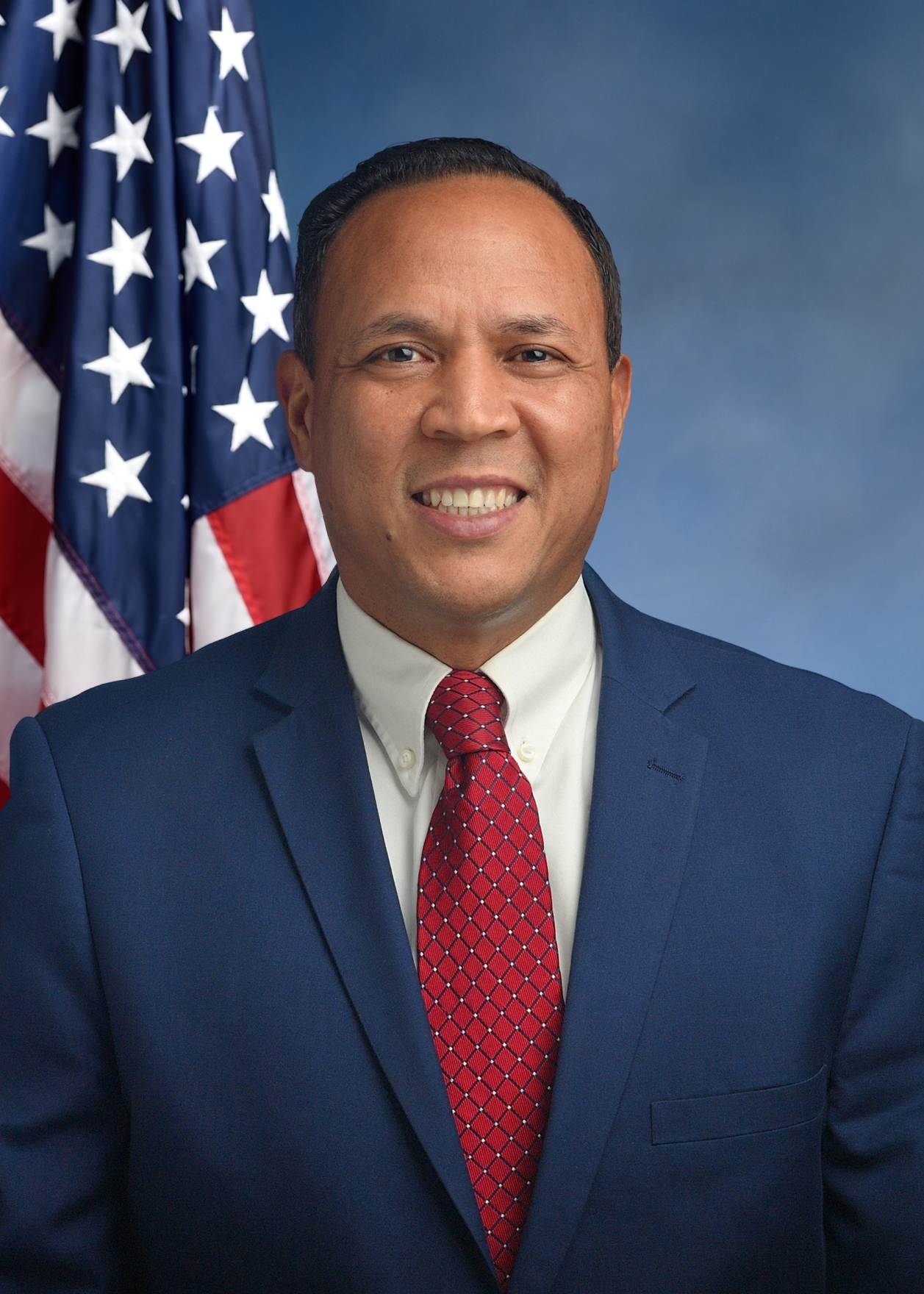
2025 Regular Session Introduced by George Alvarez and 41 co-sponsors

Bill A 3582 creates an unemployment bridge program for jobless individuals and imposes a tax on digital ads to fund this support and enhance state services.

REFERRED TO LABOR
0
WeVote Research Nonpartisan
Bill Summary · A 3582

Summary of Bill A 3582

Bill Number: A 3582
Title: Establishes an unemployment bridge program; establishes digital ad tax act; appropriation
Status: Referred to Labor
Introduced: January 28, 2025
Classification: Bill

Purpose and Intent

Bill A 3582 aims to address two significant issues: the enhancement of unemployment support through a new bridge program and the establishment of a tax on digital advertising. The intent is to provide temporary financial assistance to unemployed individuals while generating revenue from digital advertising platforms to support various state initiatives.

Key Provisions

Unemployment Bridge Program

  • Establishment: The bill proposes the creation of an unemployment bridge program designed to provide financial assistance to individuals who are unemployed or underemployed.
  • Eligibility: Specific eligibility criteria will be outlined, likely focusing on individuals who have exhausted traditional unemployment benefits or are in need of immediate financial support.
  • Funding: The program will be funded through appropriations made in the bill, ensuring that resources are allocated to support those in need.

Digital Advertising Tax Act

  • Tax Implementation: The bill introduces a tax on digital advertising revenues generated by companies operating within the state.
  • Tax Rate: While the specific tax rate is not detailed in the provided information, it is expected that the revenue generated will contribute to funding the unemployment bridge program and other state services.
  • Impact on Businesses: This provision will primarily affect digital advertising companies and platforms, potentially leading to increased operational costs that may be passed on to consumers.

Who Would Be Affected

  • Unemployed Individuals: The primary beneficiaries of the unemployment bridge program will be individuals facing job loss or reduced hours, providing them with essential financial support during challenging times.
  • Digital Advertising Companies: Businesses that rely on digital advertising will be subject to the new tax, which may influence their pricing strategies and overall business operations.
  • State Budget: The revenue generated from the digital ad tax is expected to bolster the state budget, allowing for enhanced funding of social services and unemployment programs.

Procedural Aspects

  • Current Status: As of January 28, 2025, the bill has been referred to the Labor Committee for further consideration.
  • Related Legislation: This bill is related to prior-session bills A 9037 and A 4821, as well as companion bill S 173, indicating ongoing legislative interest in unemployment support and digital taxation.

Conclusion

Bill A 3582 represents a proactive approach to addressing unemployment challenges while also tapping into the growing digital advertising market for state revenue. By establishing an unemployment bridge program and a digital ad tax, the bill seeks to provide immediate support to those in need while ensuring that digital platforms contribute to the state's financial resources. Further discussions and amendments may occur as the bill progresses through the legislative process.

Compiled from official sources — confirm details with the bill’s official record.

Sign in to ask a question.