

WeVote

Bill

Bill

A 45

Establishes an optional retirement stipend for certain incarcerated individuals over sixty-two years of age

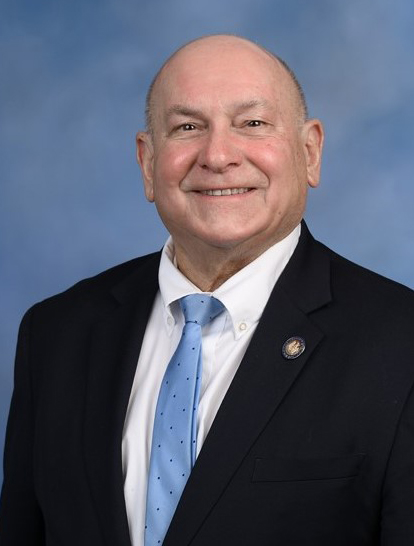
2025 Regular Session Introduced by Chris Burdick

Creates an optional retirement stipend for incarcerated individuals aged 62 and older, outlining eligibility, funding, and administration (bill A-45, under Correction).

REFERRED TO CORRECTION
0
WeVote Research Nonpartisan
Bill Summary · A 45

Summary: Bill A 45 — Optional Retirement Stipend for Certain Incarcerated Individuals 62+

Overview

Bill A 45, introduced January 8, 2025, is sponsored by primary by Chris Burdick. The bill is currently referred to the Correction committee. The core purpose, as reflected in the title, is to establish an optional retirement stipend for incarcerated individuals who are over 62 years of age. The bill has related counterparts in prior sessions (A 8499 and A 397) and a Senate companion (S 5038).

Purpose and intent

  • Create an optional retirement stipend program targeted at inmates aged 62 and older.
  • The program would provide a stipend as a form of retirement support for qualifying incarcerated individuals.
  • The bill aims to define eligibility, benefit parameters, funding, and administration within the text, though the specific criteria and amount are not detailed in the information provided.

Key provisions (as defined in the bill text)

  • Eligibility: Incarcerated persons aged 62 or older (exact age criteria and any additional qualifications would be set forth in the bill).
  • Benefit: An optional retirement stipend (the exact amount, duration, and payment terms are to be specified in the bill).
  • Administration: The entity responsible for administering the stipend (likely a state department handling corrections or related agencies) would be identified in the bill.
  • Funding and fiscal considerations: The bill would define how the stipend is funded (general funds, specific appropriations, or other sources) and any budgetary controls or reporting requirements.
  • Termination/continuation: Provisions on whether the benefit ends upon release, expiration of sentence, or other events would be specified.
  • Oversight and reporting: Potential reporting requirements to track program outcomes and fiscal impact.

Note: The provided information does not include exact eligibility thresholds beyond age, stipend amounts, funding sources, or administration details. The full bill text would specify these elements.

Affected parties

  • Incarcerated individuals aged 62 or older who meet the final eligibility criteria.
  • The state corrections system and any agency designated to administer the stipend.
  • State budget and fiscal offices responsible for funding and oversight.
  • Potentially, family or dependents of recipients, depending on program design.

Procedural status and timeline

  • Introduced: January 8, 2025.
  • Legislative action to date: Referred to the Correction committee (listed twice, suggesting procedural action on the same date).
  • Status indicates early-stage consideration; no floor vote or enacted language available yet.

Related bills

  • A 8499 (prior-session)
  • A 397 (prior-session)
  • S 5038 (companion)

Potential considerations and questions

  • What is the proposed stipend amount and duration, and how does it interact with existing corrections benefits?
  • How would the program be funded, and what are the long-term fiscal implications?
  • What criteria besides age (e.g., length of sentence, health, disciplinary status) determine eligibility?
  • How would the stipend affect post-release outcomes or eligibility for parole/early release programs?
  • What reporting and oversight mechanisms would ensure accountability and program effectiveness?

This summary captures the essential information available: purpose, sponsor, status, and the high-level framework. The complete bill text will clarify specific eligibility, benefit parameters, funding, and administration.

Compiled from official sources — confirm details with the bill’s official record.

Sign in to ask a question.