

WeVote

Bill

Bill

A 10196

Establishes an educator development workforce for the purpose of contracting with EDHUBNY, a nonprofit organization, for support of New York's child serving and educator workforce; appropriation

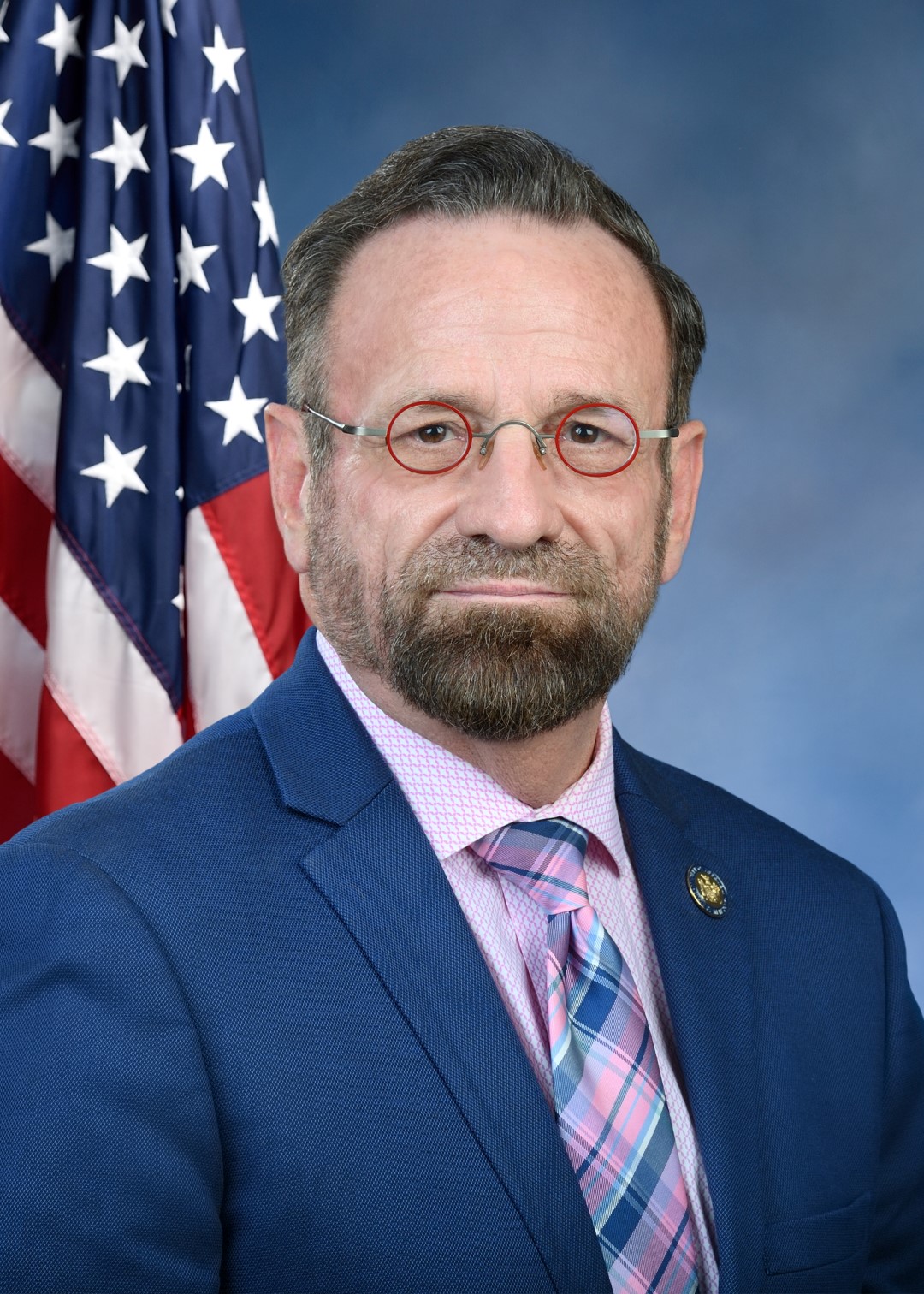
2025 Regular Session Introduced by Harry Bronson and 13 co-sponsors

Establishes an educator development workforce and funds a state contract with EDHUBNY to deliver training and support for New York’s educator and child-serving workforce.

PRINT NUMBER 10196B
0
WeVote Research Nonpartisan
Bill Summary · A 10196

Bill Summary — A 10196 (2025-2026) — New York

Overview

  • Bill: A 10196
  • Session: 2025-2026
  • Jurisdiction: New York
  • Title/Purpose: Establishes an educator development workforce for the purpose of contracting with EDHUBNY, a nonprofit organization, for support of New York's child-serving and educator workforce; includes an appropriation.

What the bill aims to do

  • Create or formalize an educator development workforce program intended to support and strengthen New York’s child-serving and educator workforce.
  • Establish a framework for the state to contract with EDHUBNY, a nonprofit organization, to provide support services related to educator development and the broader child-serving workforce.
  • Provide funding (an appropriation) to support the program, personnel, activities, and contracting with EDHUBNY.

Key provisions and changes (as described by the bill title and related actions)

  • Establishment of workforce program: Sets up an organized program to develop, train, recruit, retain, or otherwise enhance the educator workforce and related child-serving professionals.
  • Contracting with EDHUBNY: Authorizes or requires the state (or a state agency) to contract with EDHUBNY to deliver specific services related to educator development, which may include training, technical assistance, resources, and coordination to support schools, early childhood programs, or other child-serving entities.
  • Appropriation: Provides a legislative appropriation to fund the program, including the costs of the contract with EDHUBNY and related administrative activities. Specific dollar amounts are not provided in the summary text available, but an appropriation is a central feature.
  • Administrative/oversight framework: Implicit in establishment and contracting is the creation of oversight mechanisms—likely through a department or designated state agency (often the Department of Education or a related child services agency) to manage the program, monitor performance, and ensure compliance with contract terms.

Who is affected

  • Educators and child-serving professionals in New York (teachers, early childhood professionals, administrators, and other staff) who would benefit from enhanced development opportunities and resources.
  • Educational and child-serving institutions (schools, districts, early childhood programs, afterschool programs) that participate in the educator development initiatives.
  • EDHUBNY (nonprofit partner): As a contracted provider, EDHUBNY would deliver professional development services and related supports under the state contract.
  • State agencies and departments responsible for education, workforce development, and child services, which would oversee, administer, and fund the program.

Procedural and timeline notes

  • Introduced/consideration timeline: The action history shows a sequence of amendments and re-references:
    • Referred to LABOR on 2026-02-12
    • Amendments and reconfirmations to LABOR on 2026-02-17
    • Subsequent amendments and recomments to LABOR on 2026-03-17
    • Print numbers 10196A and 10196B released in February and March 2026
  • The bill’s progress indicates ongoing committee action and potential advancement in the Labor Committee, with likely additional floor action or further committee refinement.
  • The exact appropriation amount and eligible activities would be defined in the bill’s fiscal provisions and any amendments adopted during committee consideration.

Potential impact and considerations

  • Workforce development: Could expand access to professional development, enhance workforce retention, and improve service quality for child-serving programs.
  • Public-private partnership: Establishes a state contract with a nonprofit, EDHUBNY, potentially enabling innovative training models, scaling of best practices, and resource sharing.
  • Fiscal implications: Requires an appropriation; the size and duration of funding will determine the program’s scale and sustainability.
  • Implementation risk: Success depends on clear contract terms, measurable outcomes, effective governance, and coordination with participating districts and programs.

If you’d like, I can add a brief outline of potential contract terms to expect (e.g., deliverables, performance metrics, reporting requirements) once the bill’s full text or amended fiscal provisions are available.

Compiled from official sources — confirm details with the bill’s official record.

Sign in to ask a question.