

WeVote

Bill

Bill

A 8823

Establishes a usage monitor program

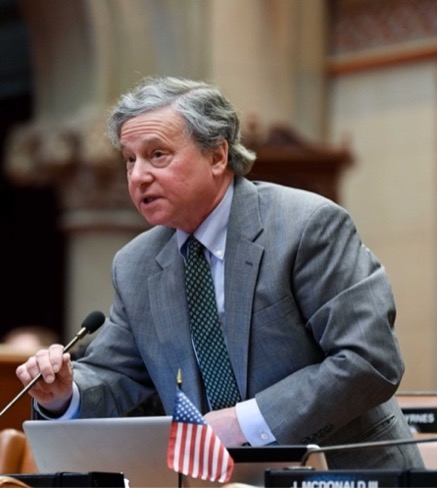
2025 Regular Session Introduced by Steve Otis and 1 co-sponsor

A 8823 would establish a state Usage Monitor Program to track usage of a resource or service, enabling data collection, oversight, and reporting, with details to come.

PRINT NUMBER 8823C
0
WeVote Research Nonpartisan
Bill Summary · A 8823

Legislative Summary: Bill A 8823 – Establishes a Usage Monitor Program

Overview

  • Bill Number: A 8823 (Assembly)
  • Title: Establishes a usage monitor program
  • Status: REFERRED to the Assembly Committee on Corporations, Authorities and Commissions
  • Introduced: June 9, 2025
  • Sponsors:
    • Primary: Stefani Zinerman
    • Co-sponsor: Steven Otis
  • Related/Companion Bill: S 8062 (Senate)

What the bill would do

  • The bill would establish a new “usage monitor program.” Based on the title alone, it is intended to create a formal program within state government to monitor usage of some resource, service, or category of activity. The available information does not include the program’s scope, objectives, or the specific resources or entities to be monitored.

Key provisions to look for in the full text

As the publicly available details are limited, the following elements are typically important in a bill of this type and are worth examining when the full text is released:
- Definitions: What constitutes “usage” and which sectors or entities are covered.
- Administration: Which agency or offices would administer the program and how governance would be structured.
- Data collection and privacy: What data would be collected, how it would be stored, who would have access, and privacy or civil-liberties protections.
- Reporting requirements: What reporting (to the legislature, public, or other agencies) would be required and on what cadence.
- Funding and resources: Source of funds (general fund, dedicated revenue, grants) and any appropriations or cost estimates.
- Enforcement and compliance: any penalties or corrective actions for noncompliance, and how enforcement would operate.
- Timeline and milestones: effective dates, phases of implementation, and sunset or review provisions (if any).

Potential impact and who would be affected

  • State government: Creation of a new program implies administrative responsibilities, potential budget implications, and ongoing oversight by the administering agency.
  • Businesses and organizations subject to monitoring: Depending on the program’s scope, entities could be required to report usage data or comply with monitoring protocols.
  • Consumers or the public: If the program affects services or resource allocation, there could be downstream impacts on access, pricing, or service levels.
  • Privacy and data governance considerations: Depending on data collection, there may be privacy, security, and civil-liberties implications to address.

Procedural and timeline notes

  • Current status: Referred to the Assembly Committee on Corporations, Authorities and Commissions on June 9, 2025.
  • Actions: The record shows an identical committee referral on the same date, likely a procedural duplication in the record.
  • Next steps: The bill would move through committee review (a hearing and potential amendments), followed by potential floor votes in the Assembly. A companion Senate bill (S 8062) exists, which may reflect parallel legislative action and could influence negotiations or final language.

Summary

A 8823 seeks to establish a usage monitor program in the state, with the full scope and specifics to be detailed in the bill text. The current information confirms the bill’s purpose at a high level, sponsor details, and its committee referral status. Readers should follow updates as the text progresses through the Corporations, Authorities and Commissions committee and any related actions on the Senate companion, S 8062.

Compiled from official sources — confirm details with the bill’s official record.

Sign in to ask a question.