

WeVote

Bill

Bill

A 8472

Establishes a temporary practice authorization program for certain medical professionals to practice in underserved areas

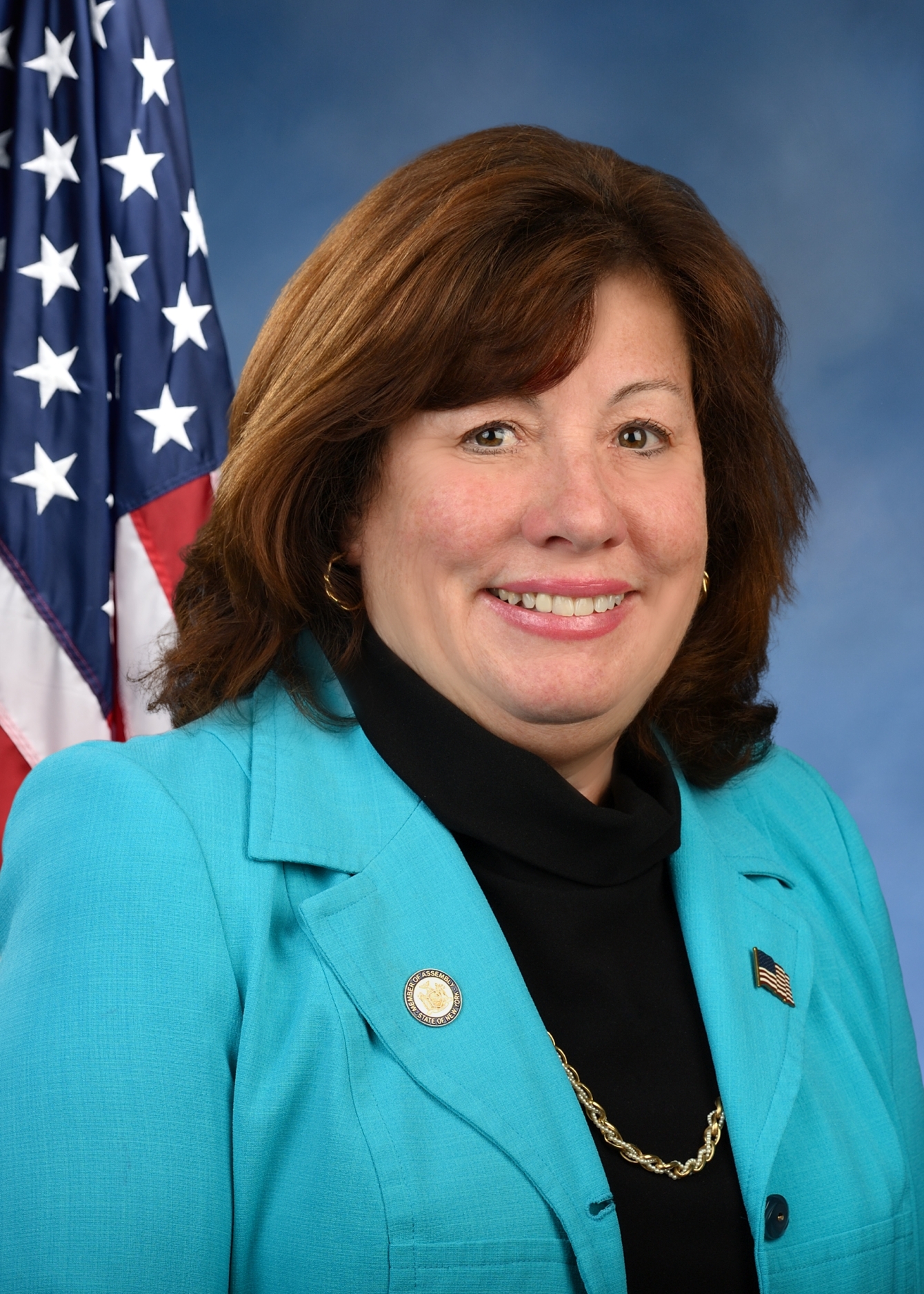
2025 Regular Session Introduced by Marianne Buttenschon and 3 co-sponsors

Creates a temporary practice authorization for qualifying clinicians to provide care in designated underserved areas for a limited time, expanding access.

PRINT NUMBER 8472B
0
WeVote Research Nonpartisan
Bill Summary · A 8472

Summary — A8472 (Print No. 8472B)

Title: Establishes a temporary practice authorization program for certain medical professionals to practice in underserved areas
Introduced: May 16, 2025
Current status: Print No. 8472B; referred to and amended in the Higher Education Committee (amendments and recommitments on 2025-05-28 and 2025-06-09)
Companion: S8341 (Senate)

Purpose / Intent

A8472 would create a temporary practice authorization program intended to increase access to medical services in underserved communities by permitting certain medical professionals to provide care on a limited, expedited basis. The bill’s stated aim (from the title and legislative history) is to expand short‑term workforce capacity in areas with shortages of health care providers.

Key provisions (high‑level)

The full bill text was not included in legible form in the materials provided; the list below describes the program elements that A8472’s title and common legislative practice indicate the bill is likely to establish. Readers should consult the enacted text (or the official PDF at the legislative website) for precise statutory language.

  • Establishment of a temporary practice authorization (TPA) or permit that allows qualifying medical professionals to practice in designated underserved areas for a limited period.
  • Definition of eligible professionals (e.g., physicians, nurse practitioners, physician assistants, other licensed clinicians)—the bill title references “certain medical professionals,” but exact professions and credential requirements would be defined in the text.
  • Eligibility criteria and documentation (for example: current license in good standing in another U.S. jurisdiction; proof of malpractice insurance; background checks).
  • Application and administrative process overseen by a state licensing or higher education/health agency (application fee, expedited review process).
  • Limitations on scope and duration: temporary authorization limited to practice in designated underserved geographic areas or facilities, with a defined maximum time (e.g., months to a year) and conditions for renewal or termination.
  • Supervision/collaboration requirements (if the temporary practitioner is not fully independent) and practice restrictions to protect patient safety.
  • Reporting, monitoring and data collection requirements (e.g., outcomes, provider counts) and possible penalties for violations.
  • Liability and malpractice provisions: requirement to carry malpractice insurance and clarification of malpractice liability while practicing under TPA.

Who would be affected

  • Patients and communities in state‑designated underserved areas: potentially improved access to care and reduced wait times.
  • Medical professionals who are licensed in other jurisdictions or are newly trained but not yet permanently licensed in the State: expanded opportunities for temporary practice.
  • State licensing authorities and supervising institutions: new administrative workload to process, monitor, and enforce TPAs.
  • Existing in‑state licensed providers and employer organizations (hospitals, community health centers): potential changes in staffing patterns and credentialing processes.

Potential impacts

  • Access: Short‑term increase in available clinicians in shortage areas, improving access to primary, urgent, or specialty care depending on eligible professions and scope.
  • Regulatory/administrative: Additional responsibilities and costs for licensing/oversight agencies to implement and monitor the program.
  • Workforce: May make temporary placements easier (e.g., for relocation, disaster response, residency graduates), but long‑term workforce effects depend on whether the program encourages permanent recruitment.
  • Liability/exposure: Requires clear malpractice and supervision rules to protect patients and practitioners.

Legislative status & next steps

  • 2025-05-16: Referred to Higher Education
  • 2025-05-28: Amended and recommitted to Higher Education; printed as A8472A
  • 2025-06-09: Further amended and recommitted to Higher Education; printed as A8472B (current print)
    Next steps typically include committee deliberation, possible further amendments, committee vote, passage in the Assembly, and concurrence/consideration by the Senate (companion S8341), followed by enrollment and the Governor’s signature for enactment.

Notes / Recommendations

  • The provided bill packet contained unreadable PDF stream data; for authoritative details (exact eligibility, duration, enforcement, and fiscal provisions), consult the official bill text on the New York State Assembly or Senate website (Search: A8472 / Print No. 8472B) or contact the bill sponsor’s legislative office.
  • Reviewers should also examine any fiscal note or agency impact statement attached to A8472B to understand administrative costs and expected financial effects.

Compiled from official sources — confirm details with the bill’s official record.

Sign in to ask a question.