

WeVote

Bill

Bill

A 3530

Establishes a program of tiered eligibility for services offered by OPWDD for persons with learning disabilities and other complex neurological impairments

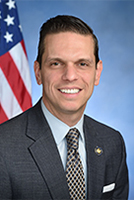
2025 Regular Session Introduced by Angelo Santabarbara and 2 co-sponsors

Establish tiered eligibility for OPWDD services tied to need, targeting supports for people with learning disabilities and complex neurological impairments.

REFERRED TO PEOPLE WITH DISABILITIES
0
WeVote Research Nonpartisan
Bill Summary · A 3530

Summary: Bill A 3530 — Tiered Eligibility for OPWDD Services

Overview

Bill A 3530 proposes establishing a program of tiered eligibility for services offered by the Office for People With Developmental Disabilities (OPWDD) in New York. The target population identified in the bill includes persons with learning disabilities and other complex neurological impairments. The bill is currently in the committee stage, having been referred to the Committee on People with Disabilities.

Purpose and Intent

  • Create a structured, tiered framework to determine access to OPWDD services based on the level of need.
  • Align the provision of OPWDD supports with demonstrated needs among individuals with learning disabilities and complex neurological conditions.
  • Potentially improve the targeting and efficiency of service delivery within OPWDD, ensuring resources are aligned with the severity and nature of each person’s needs.

Key Provisions (as described)

  • Establishment of a tiered eligibility system for OPWDD services.
  • Focus on individuals with learning disabilities and other complex neurological impairments.
  • Administrative framework would be created to determine eligibility tiers and corresponding service levels (specific criteria, tier definitions, and service packages would be defined in the bill’s text).

Note: The summary above reflects the information provided. The exact criteria for tiers, service types within each tier, intake and reassessment processes, appeals, funding allocations, and implementation details would be specified in the bill language.

Who Would Be Affected

  • Individuals with learning disabilities and other complex neurological impairments who seek OPWDD services.
  • Families and caregivers of these individuals.
  • OPWDD as the administering agency, which would implement and oversee the tiered eligibility framework.
  • Service providers and entities contracted to deliver OPWDD-supported programs and supports.

Procedural and Timeline Aspects

  • Introduced: January 28, 2025.
  • Current status: Referred to the Committee on People with Disabilities.
  • Legislative actions recorded: Duplicate referral noted on the same date (January 28, 2025).
  • Related/balancing measures include several companion bills in the Senate (e.g., S 6131) and various related A-title bills from prior sessions, suggesting ongoing interest in OPWDD eligibility reforms.
  • For enactment, the bill would need approvals from both houses of the Legislature and signature by the governor, followed by any required regulatory or budgetary actions.

Sponsors

  • Primary: Angelo Santabarbara
  • Cosponsors: Nader Sayegh, MaryJane Shimsky

Fiscal and Administrative Considerations

  • The prompt does not provide a fiscal note or funding details. A tiered-eligibility framework could have cost implications for OPWDD program funding, service levels across tiers, and potential administrative costs for intake, eligibility determinations, and reassessments. A formal fiscal analysis would be expected through committee review.

Related Legislation

  • Related Bills (prior-session): A 511, A 6787, A 501, A 1734, A 6070, A 9996
  • Companion Senate Bill: S 6131 (listed as companion in multiple references)

This summary presents the bill’s core purpose and potential impact based on the available information. The actual provisions, criteria, and fiscal effects will be clarified in the full bill text and subsequent legislative deliberations.

Compiled from official sources — confirm details with the bill’s official record.

Sign in to ask a question.