

WeVote

Bill

Bill

S 9333

Establishes a municipal exemption from commercial driver's license requirements

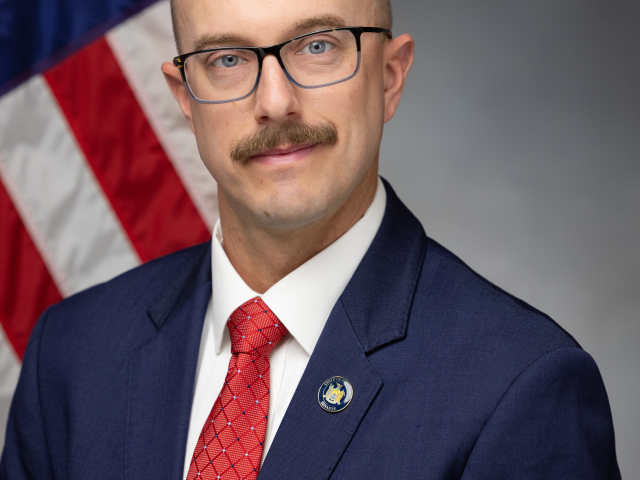
2025 Regular Session Introduced by Mark Walczyk

Allows municipal-owned vehicles used for intrastate government work to operate without a CDL, provided proper internal training and a safety exam are completed.

REFERRED TO TRANSPORTATION
0
WeVote Research Nonpartisan
Bill Summary · S 9333

Summary of Bill S.9333 (2025-2026) – New York

Purpose and main intent

This bill adds a new provision to the New York Vehicle and Traffic Law to create a municipal exemption from certain commercial driver license (CDL) requirements. Specifically, it allows motor vehicles owned or leased by cities, towns, villages, or counties to be operated by municipal employees for intrastate governmental purposes without requiring a CDL, subject to specified training and safety requirements.

Key provisions and changes

  • New exemption created (Section 509-qq):

    • A CDL shall not be required for operating a municipal-owned or -leased motor vehicle when used by a municipal employee for intrastate governmental purposes.
    • Scope of eligible municipal operations includes:
    • Snow and ice control
    • Highway, road, bridge, or right-of-way maintenance
    • Water, sewer, or public utility maintenance
    • Emergency or disaster response
    • Other substantially similar governmental functions as approved by the state Transportation Commissioner
  • Operator qualification under the exemption:

    • Municipal employees utilizing this exemption must successfully complete a motor vehicle skills and safety examination appropriate to the vehicle class/type operated. The exam is administered or approved by the department.
  • Municipal training and certification requirements:

    • Municipalities must establish and maintain internal driver training and certification programs, including:
    • Written training standards
    • Behind-the-wheel instruction
    • Periodic refresher training
    • Certification by a designated municipal supervisor
  • Regulatory standards by the Commissioner:

    • The Transportation Commissioner may promulgate regulations establishing minimum safety and testing standards for municipal training programs, provided these do not require a CDL.
  • Limitations:

    • The exemption does not authorize operation of a vehicle in violation of any other applicable traffic or safety law.
  • Effective date:

    • The act takes effect immediately upon enactment.

Who is affected

  • Municipal employers: Cities, towns, villages, and counties that own or lease vehicles for governmental functions listed in the bill.
  • Municipal employees: Workers operating exempted vehicles for intrastate governmental purposes must pass a relevant skills and safety examination and participate in the municipality’s internal training program.
  • Regulators/administrators: New regulatory framework to set minimum training standards for municipal programs, administered by the New York State Department (as overseen by the Transportation Commissioner).

Procedural and timeline aspects

  • Introduction and referral: Introduced March 2, 2026; referred to the Senate Transportation Committee.
  • Regulatory oversight: Commissioner may establish regulations for municipal training standards (no CDL required).
  • Immediate effect: If enacted, the law would take effect immediately.

Practical impact and considerations

  • Operational flexibility for municipalities: Enables municipalities to deploy vehicles for essential services without requiring CDL credentials for certain governmental functions, potentially reducing staffing or credentialing barriers for specific roles.
  • Safety and training emphasis: Emphasizes internal training, testing, and periodic refreshers to maintain safety standards and performance without mandating a CDL.
  • Policy balance: Aims to balance increased operational flexibility with safety by requiring examination and standardized municipal training, and by keeping existing traffic/safety laws applicable.

Compiled from official sources — confirm details with the bill’s official record.

Sign in to ask a question.