

WeVote

Bill

Bill

A 4838

Establishes a direct support professional worker registry

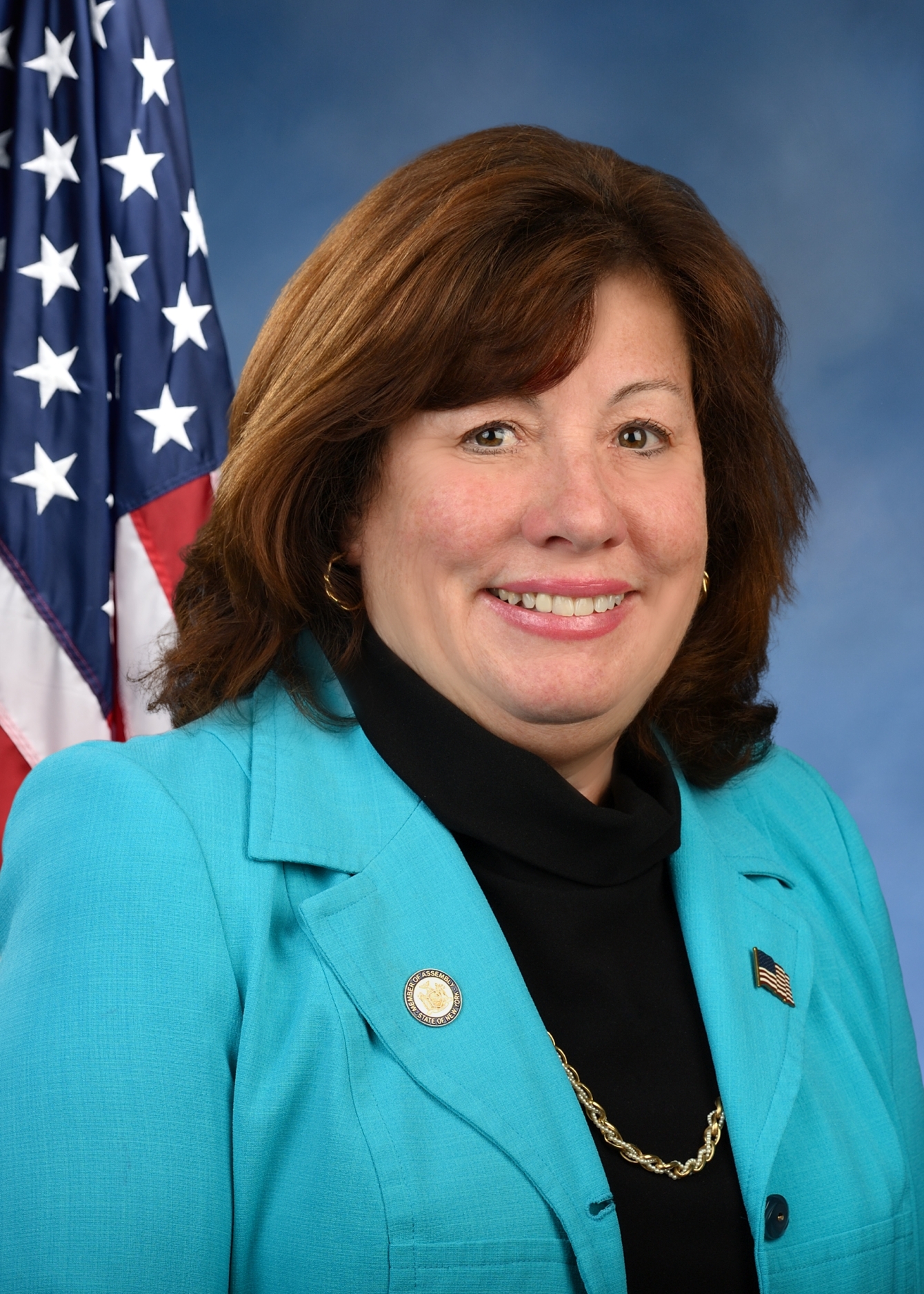
2025 Regular Session Introduced by Marianne Buttenschon and 4 co-sponsors

Allows certain psychiatric drugs for adults with specified serious mental illnesses to be covered without prior authorization or step therapy when prescribed by psychiatrists or po

REFERRED TO PEOPLE WITH DISABILITIES
0
WeVote Research Nonpartisan
Bill Summary · A 4838

Summary — A4838: Establishes a direct support professional worker registry / Requires coverage for certain psychiatric drugs without prior authorization

Note: As reported by the Assembly Financial Institutions and Insurance Committee (with committee amendments) on April 10, 2025. The amended bill is identical to Senate Bill No. 1192 (3R).

Purpose / Intent

The bill is intended to remove utilization-management barriers (such as prior authorization and step therapy) that can delay or interrupt access to prescription medications used to treat serious mental illness (SMI). It directs health insurance carriers and State programs (Medicaid and NJ FamilyCare) to cover certain psychiatric drugs without those requirements when prescribed by specified clinicians or under specified conditions.

Key provisions

  • Requires coverage, without prior authorization or other utilization management (including step therapy), for a prescription drug prescribed for a serious mental illness when the prescriber is:
    • a psychiatrist; or
    • an obstetrician/gynecologist (OB/GYN) during the postpartum period.
  • Allows continuation of coverage without prior authorization or utilization management by a different prescriber if the patient has been stable and appropriately treated on that drug for six months after it was prescribed by a psychiatrist or postpartum OB/GYN.
  • Limits the exemption from utilization management to persons age 18 or older.
  • Revises the bill’s definition of “serious mental illness” to list specific DSM-defined diagnoses: bipolar disorders (including hypomanic, manic, depressive, mixed), childhood and adolescent depression, major depressive disorders (single or recurrent), obsessive-compulsive disorders, paranoid and other psychotic disorders, schizoaffective disorders (bipolar and depressive types), and schizophrenia.
  • Defines “carrier” broadly to include insurance companies, health service/hospital/medical service corporations, HMOs authorized in New Jersey, and entities administering State employee or school employee health programs.
  • Amends Section 11 of P.L.2019, c.58 and supplements P.L.1968, c.413.

Who is affected

  • Insured individuals age 18+ with one of the specified serious mental illnesses who obtain prescriptions from psychiatrists (or postpartum OB/GYNs) — they would be able to access covered drugs without prior authorization/step therapy.
  • Health insurance carriers, Medicaid and NJ FamilyCare (State programs), and entities administering State health plans — required to comply with the coverage and utilization-management restrictions.
  • Prescribers other than psychiatrists or postpartum OB/GYNs — may continue a medication for a patient only after the six-month stability period if the drug was initially prescribed by an eligible prescriber.

Procedural timeline / status

  • Introduced: September 23, 2024.
  • Referred to Assembly Financial Institutions and Insurance Committee (initial referral).
  • Referred to People with Disabilities: February 6, 2025.
  • Reported out of the Assembly Financial Institutions and Insurance Committee with committee amendments: April 10, 2025. Referred to the Assembly Health Committee thereafter.
  • Companion: S1192 (identical as amended).

Potential impact / considerations

  • Clinical access: Likely to expedite access to certain psychiatric medications for adults treated by psychiatrists and postpartum OB/GYNs, reducing delays caused by prior authorization and step therapy.
  • Administrative and cost effects: May increase immediate pharmacy expenditures for payers; could reduce administrative burdens and delays for prescribers and patients.
  • Continuity of care: The six-month stability provision facilitates continuity when a patient changes prescribers, but the exemption is narrower if initial prescribing is not by an eligible clinician.
  • Scope and limits: Applies only to adults (18+), only to drugs prescribed for the listed SMIs, and only when prescribed by the specified clinicians (with the six-month continuation exception).

Compiled from official sources — confirm details with the bill’s official record.

Sign in to ask a question.