

WeVote

Bill

Bill

A 4195

Establishes a dementia and Alzheimer's disease program database

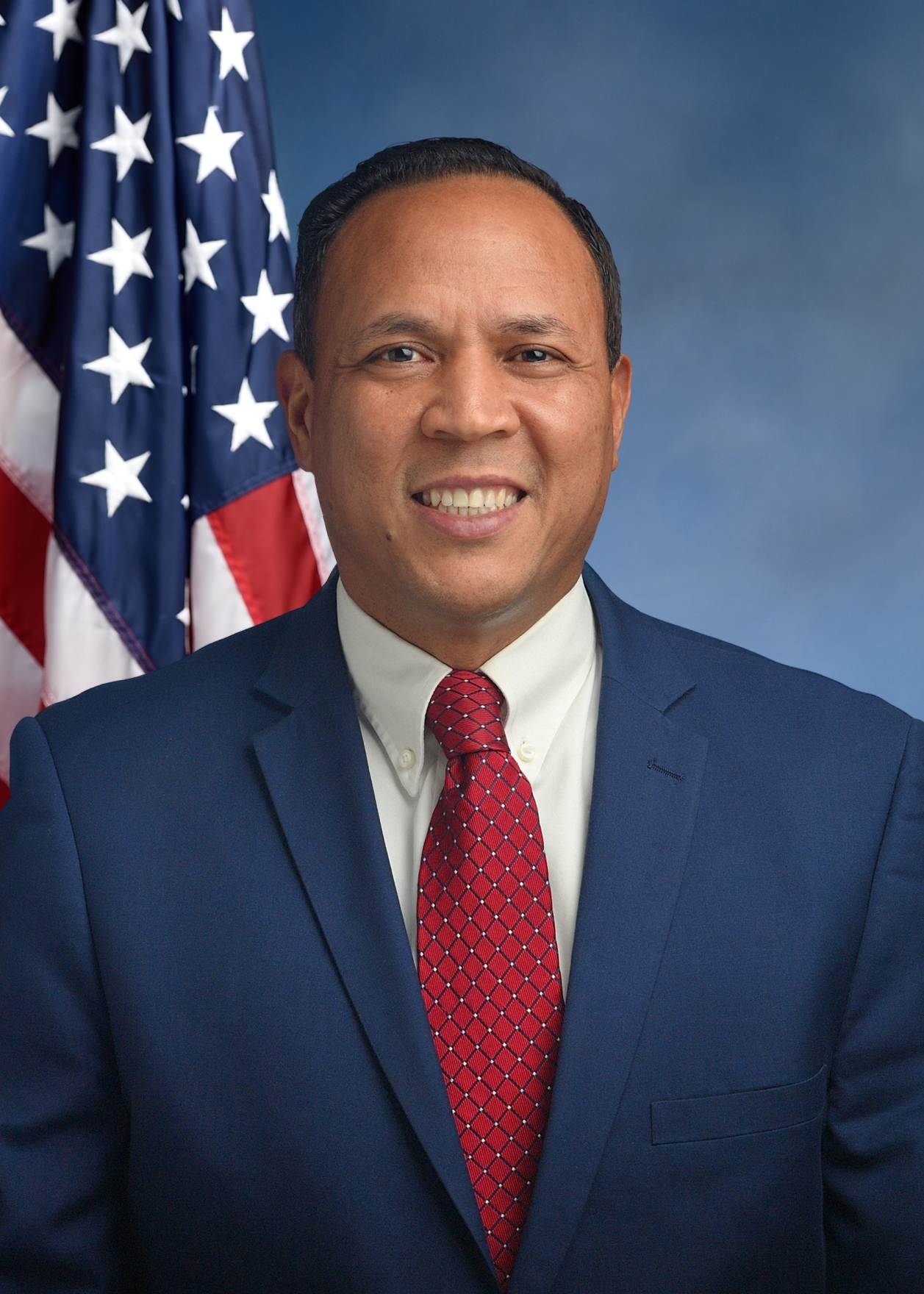
2025 Regular Session Introduced by George Alvarez and 5 co-sponsors

Establishes a state Dementia and Alzheimer's Program Database to coordinate services, guide funding and policy, and share insights with providers, researchers, and policymakers.

REFERRED TO AGING
0
WeVote Research Nonpartisan
Bill Summary · A 4195

Summary: Assembly Bill A 4195 — Establishes a Dementia and Alzheimer's Disease Program Database

Overview

A 4195, introduced January 31, 2025 and currently referred to the Assembly Aging Committee, would establish a state-level Dementia and Alzheimer's Disease Program Database. The primary sponsor is Alicia Hyndman, with several cosponsors. The bill has related Senate counterparts (S 118 as a companion; S 887 referenced from a prior session).

Purpose and Intent

  • Create a centralized database to coordinate and improve services for individuals with dementia and Alzheimer’s disease.
  • Provide data to inform program development, resource allocation, and policy decisions.
  • Support care coordination, monitoring of program outcomes, and accessibility to supportive services for patients and caregivers.

Key Provisions (as typically included in such proposals)

  • Establishment of a Dementia and Alzheimer's Disease Program Database within the appropriate state agency or department.
  • Definition of dementia and Alzheimer’s-related data elements to be collected (e.g., diagnosis, care plans, services accessed, caregiver resources, and outcomes).
  • Data sources to be integrated (healthcare providers, hospitals, skilled facilities, state agencies, and affiliated research institutions).
  • Privacy, consent, and security safeguards to protect personal health information, with defined access rights.
  • Roles and governance for data stewardship, including who can access the data (providers, researchers, policymakers) and for what purposes.
  • Reporting requirements, including annual or periodic public dashboards and an annual legislative report outlining trends, gaps, and program impact.
  • Interoperability and data standards to enable sharing with related systems (e.g., electronic health records) where permissible.
  • Funding and budgetary provisions or authorizations to support development, maintenance, and oversight (subject to separate appropriation).

Affected Parties and Impacts

  • Individuals living with dementia or Alzheimer’s disease and their caregivers (improved access to resources and services; potential privacy considerations).
  • Healthcare providers, long-term care facilities, and social service organizations (data reporting obligations; coordination of care).
  • State agencies overseeing aging, health, and public health (implementation, governance, and oversight responsibilities).
  • Researchers and policy makers (access to de-identified or appropriately consented data for studies and program evaluation).

Implementation and Timeline

  • The bill envisions the creation and ongoing operation of the database after enactment, with phased development and integration of data sources.
  • Specific budgetary figures and precise milestones would be defined in accompanying budget language or subsequent amendments; any funds would be subject to legislative appropriation.
  • Current status reflects referral to the Assembly Aging Committee, with potential committee hearings and floor action in future sessions.

Related Legislation

  • Companion/related bills in the Senate: S 118 (companion to A 4195) and S 887 referenced from a prior session.
  • The companion bills typically progress in parallel across chambers and may influence final enacted language.

Remarks

A 4195 focuses on building a data-driven framework to better identify needs, allocate resources, and measure outcomes for dementia and Alzheimer’s programs. As introduced, the bill outlines governance, privacy, and reporting concepts; full details (definitions, data elements, funding, and implementation timetable) would be clarified in the bill text and subsequent amendments.

Compiled from official sources — confirm details with the bill’s official record.

Sign in to ask a question.