

WeVote

Bill

Bill

A 3230

Establishes a deaf and hard of hearing outreach program to facilitate communication between hearing-impaired persons and law enforcement personnel

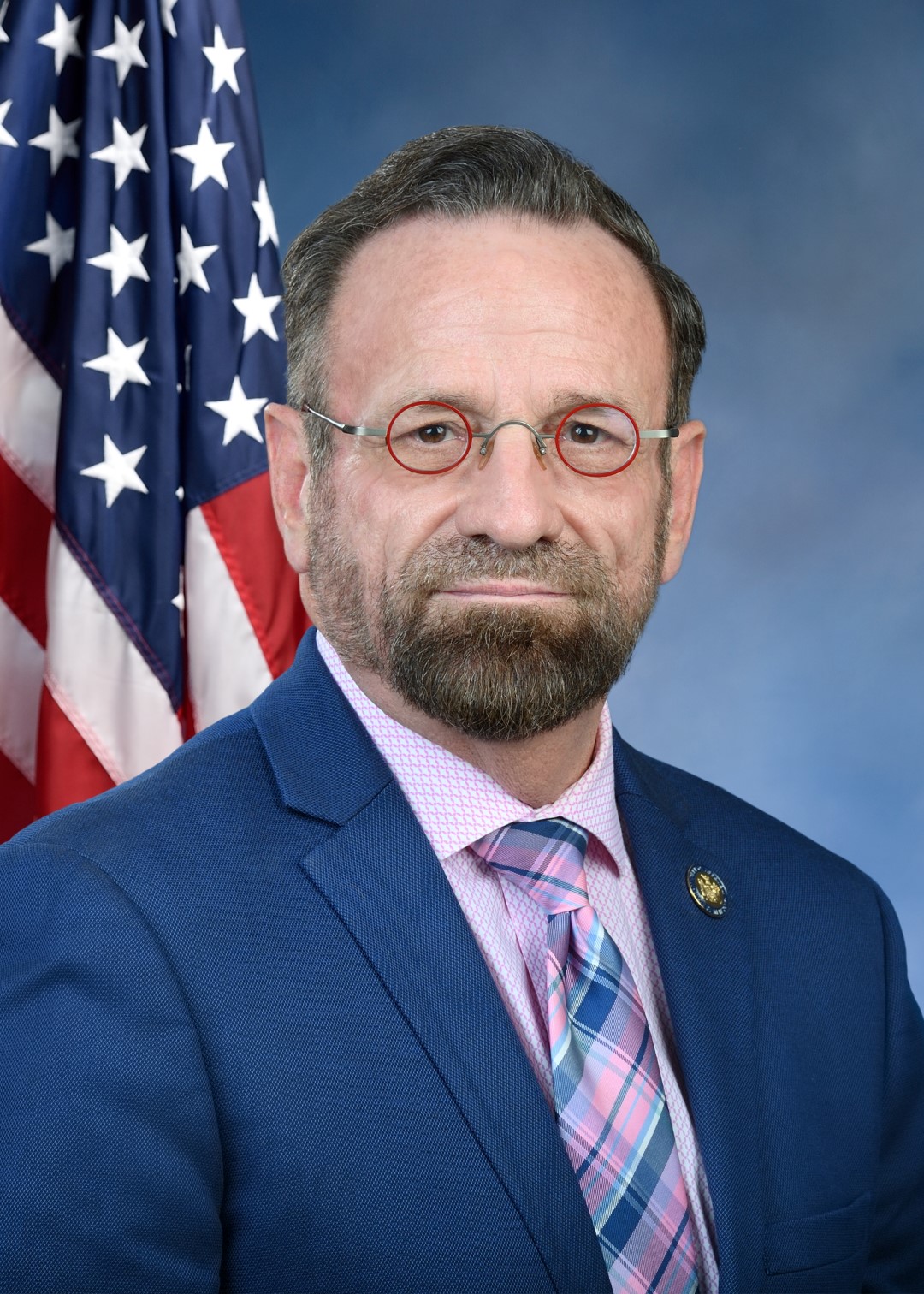
2025 Regular Session Introduced by Harry Bronson and 1 co-sponsor

Establishes a deaf and hard-of-hearing outreach program to improve communication between law enforcement and deaf individuals during encounters.

REPORTED REFERRED TO WAYS AND MEANS
0
WeVote Research Nonpartisan
Bill Summary · A 3230

Summary of Assembly Bill A 3230 — Deaf and Hard of Hearing Outreach Program

Overview

A 3230 is a bill introduced in the New York Assembly with the purpose of establishing a deaf and hard of hearing outreach program designed to facilitate communication between hearing-impaired individuals and law enforcement personnel. The bill’s stated objective is to improve interaction and communication during law enforcement encounters.

Purpose and Intent

  • Establish a formal outreach program specifically serving deaf and hard-of-hearing people.
  • Create mechanisms to facilitate communication between hearing-impaired individuals and law enforcement officers.

Note: The publicly available summary does not include details on the program’s structure, administering agency, scope, or funding. The legislation text would determine these elements, including any required training, protocols, or partnerships.

Key Provisions (as stated in available information)

  • Establishment of a deaf and hard of hearing outreach program intended to improve communication during interactions between law enforcement and individuals who are deaf or hard of hearing.

Details on operational aspects (e.g., staffing, funding, governance, partnerships with interpreters or technology, training requirements) are not provided in the information available here.

Affected Parties

  • Deaf and hard-of-hearing individuals who interact with law enforcement.
  • Law enforcement agencies and personnel responsible for responding to calls or conducting encounters with the public.
  • Potentially entities involved in communication access (e.g., interpreter services) depending on final program design.

Procedural and Timeline Details

  • Introduced: January 27, 2025.
  • Legislative actions:
    • January 27, 2025: Referred to Codes.
    • February 11, 2025: Reported and referred to Ways and Means (listed twice in the record).
  • Status: REPORTED REFERRED TO WAYS AND MEANS.

Sponsors

  • Primary sponsor: Charles Lavine
  • Co-sponsor: Harry B. Bronson

Related Bills

  • A 7387 (prior-session)
  • A 1218 (prior-session)
  • A 3342 (prior-session)
  • A 6718 (prior-session)
  • A 3344 (prior-session)
  • S 5146 (companion)

Potential Impact and Considerations

  • Public safety and accessibility: If enacted, the program could improve communication effectiveness and reduce misunderstandings during law enforcement encounters with deaf and hard-of-hearing individuals.
  • Funding and governance: The final bill would specify how the program is funded, administered, and overseen, impacting administrative costs and accountability.
  • Implementation timeline: Details on rollout, performance metrics, and eligible participants would shape the speed and scope of impact.
  • Interagency coordination: Success may depend on partnerships with interpreter services, technology platforms, training programs, and possibly 911 or dispatch systems.

Next Steps for Interested Observers

  • Review the full text of A 3230 to understand specific provisions, funding, administration, and any required training or partnerships.
  • Monitor amendments and committee reports from Ways and Means for changes to scope or funding.
  • Track related bills (including companion S 5146) for a broader view of legislative intent and alternative provisions.

This summary aims to inform readers about the bill’s stated purpose, its principal provisions as available, who would be affected, and where the bill stands in the legislative process.

Compiled from official sources — confirm details with the bill’s official record.

Sign in to ask a question.