

WeVote

Bill

Bill

HR 9641

Essential Caregivers Act of 2026

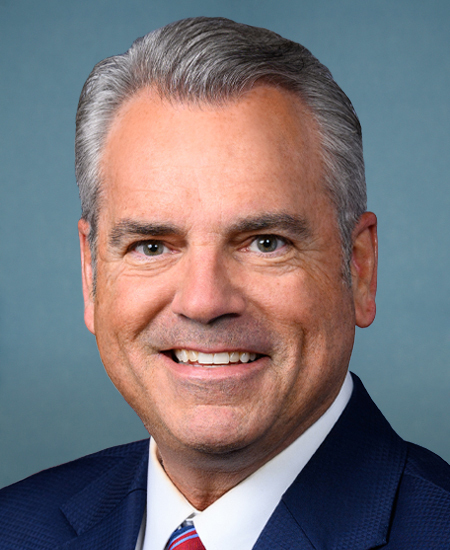
119th Congress Introduced by Mark Alford and 34 co-sponsors

Establishes a federal Essential Caregivers Program requiring facilities to allow designated in-person visits by an essential caregiver during visitation suspensions.

Committee Consideration and Mark-up Session Held
0
WeVote Research Nonpartisan
Bill Summary · HR 9641

Essential Caregivers Act of 2026 (H.R. 9641)

Purpose and intent

  • Introduces a federal framework to require certain healthcare facilities to permit visits from an “essential caregiver” during periods when regular visitation is suspended.
  • Aims to ensure residents in nursing facilities, skilled nursing facilities, long-term care hospitals, inpatient rehabilitation facilities, and certain intermediate care facilities for individuals with intellectual disabilities maintain access to a designated caregiver for in-person visits, even amid visitation suspensions.

Key provisions and changes

  • Amendments to Social Security Act sections:

    • Nursing facilities and skilled nursing facilities (Title XVIII and XIX):
    • Create an “Essential Caregivers Program” that each facility must implement during periods when regular visitation is suspended.
    • Each resident may elect up to 2 essential caregivers who have in-person access, with the option to amend the election at any time.
    • Essential caregivers must follow facility safety and infection control protocols, which are written and aligned with staff protocols.
    • Access limitations may be imposed by the facility only under certain conditions and with specific safeguards (see access controls below), including:
      • Up to 7-day initial denial period with audio-visual access during that denial, subject to conditions.
      • Protections for roommate rights and safety protocols, infectious disease considerations, and compliance with safety rules.
    • Provisions for end-of-life care: no denial or duration limitation for essential caregivers if the resident has an end-of-life election.
    • If a resident cannot elect due to cognitive impairment or mental disability, a designated representative may elect on the resident’s behalf.
    • Definition of “essential caregiver” includes individuals who agree to follow facility safety and infection control protocols, which must be clearly written and not more restrictive than staff protocols.
    • Complaint handling and investigation timeline:
    • Adds a process to prioritize investigations of complaints related to essential caregiver access.
    • Requires a notification of investigation outcome within 3 days after receipt of the complaint.
  • Extensions to other facilities and settings:

    • Long-term care hospital beds (SS Act 1861(ccc)(4)):
    • When regular visitation is suspended, facilities must implement and maintain the essential caregivers program similarly to SNFs.
    • Inpatient rehabilitation facilities (SS Act 1866(a)(1)):
    • Must implement and maintain the essential caregivers program during visitation suspensions, as if the facility were a skilled nursing facility.
    • Intermediate care facilities for individuals with intellectual disabilities (SS Act 1905(d)):
    • Must implement and maintain the essential caregivers program during periods of suspended visitation, as if the facility were a nursing facility.
  • Non-applicability of waivers:

    • States cannot waivers-avoid these essential caregiver requirements through 1135 waivers, with specified exceptions for the listed requirements.
  • Regulations and effective dates:

    • The Secretary of Health and Human Services must issue regulations to implement these amendments within 18 months.
    • The new requirements apply beginning one year after enactment.

Who would be affected

  • Residents in:
    • Nursing facilities and skilled nursing facilities (Title XVIII and XIX facilities)
    • Long-term care hospitals
    • Inpatient rehabilitation facilities
    • Intermediate care facilities for individuals with intellectual disabilities
  • These residents, and their families/caregivers, would gain defined rights to designate essential caregivers and to receive in-person visits during suspensions.
  • Facilities (nursing facilities, SNFs, LTCHs, IRFs, and ICFs/IID) would be required to establish and maintain the essential caregivers program, with specified access, safety, and complaint-resolution obligations.

Procedural and timeline aspects

  • Introduction and referral:
    • Introduced July 13, 2026 by Representatives Tenney (and Larson of Connecticut) with referral to the House Energy and Commerce Committee and Ways and Means.
  • Regulatory timeline:
    • Federal regulations to implement the amendments due within 18 months of enactment.
  • Implementation timeline:
    • The substantive amendments become effective one year after enactment, allowing facilities time to establish the essential caregivers program and related procedures.

Summary takeaway

The Essential Caregivers Act of 2026 seeks to standardize and protect in-person access to a resident’s designated essential caregivers across a range of long-term care and rehabilitation facilities during periods when routine visitation is suspended. It establishes a defined program, enrollment rights for residents, access rules (with safety and infection-control considerations), a robust complaint investigation process, and enforcement/waiver protections, all to be implemented through federal regulatory action within a 18-month regulatory window and applicable starting one year after enactment.

Compiled from official sources — confirm details with the bill’s official record.

Sign in to ask a question.