Summary of HR 151 - Equal Representation Act
Overview
The Equal Representation Act (HR 151) was introduced in the House of Representatives on January 3, 2025. The bill aims to address issues related to representation in government, although specific provisions and details are not yet publicly available. The bill has garnered significant support, with numerous cosponsors from various states.
Purpose and Intent
The primary intent of the Equal Representation Act is to ensure fair and equitable representation in government. While the exact provisions are not detailed in the current documentation, the title suggests a focus on enhancing the representation of diverse populations and potentially addressing disparities in political representation.
Key Provisions
As of now, specific provisions of the Equal Representation Act have not been disclosed. However, the legislative intent typically involves:
- Redistricting: Potential reforms to how electoral districts are drawn to ensure fair representation.
- Voting Rights: Enhancements to voting access and protections for underrepresented groups.
- Accountability Measures: Mechanisms to hold representatives accountable for equitable representation.
Affected Parties
The Equal Representation Act is expected to impact:
- Voters: Particularly those from historically underrepresented communities who may benefit from improved representation.
- Political Entities: State and local governments may need to adjust their electoral processes and districting practices in response to the bill's provisions.
- Advocacy Groups: Organizations focused on voting rights and representation may play a role in supporting or opposing the bill.
Legislative Actions and Timeline
- January 3, 2025: The bill was introduced and referred to the House Committee on Oversight and Government Reform.
- January 13, 2025: Sponsor introductory remarks were made, indicating the bill's significance and the intent behind its introduction.
Sponsorship
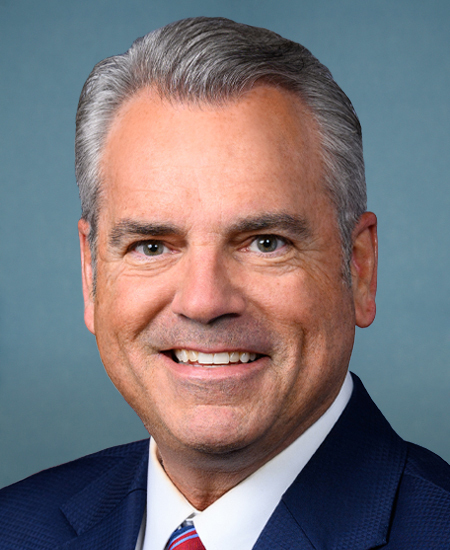
The bill is sponsored by Chuck Edwards and has a substantial number of cosponsors, including notable representatives such as:
- Brandon Gill
- Scott Franklin
- Kat Cammack
- Ron Estes
- Mike Collins
- Darrell Issa
- Harriet M. Hageman
- Tom McClintock
- Gary J. Palmer
- Warren Davidson
- Claudia Tenney
- Sheri Biggs
- Russell Fry
- Richard McCormick
- Tom Cole
- Adrian Smith
- Pat Fallon
- Rick W. Allen
- Doug LaMalfa
- Thomas P. Tiffany
- Ashley Hinson
- Glenn Grothman
- David Rouzer
- Charles J. "Chuck" Fleischmann
- Tracey Mann
- Josh Brecheen
- Michael Guest
- Dan Crenshaw
- Christopher H. Smith
- Beth Van Duyne
- Laurel M. Lee
- Mark Harris
- Ralph Norman
- Max L. Miller
- John W. Rose
- Nicholas A. Langworthy
- Aaron Bean
- Scott Fitzgerald
- Joe Wilson
- Diana Harshbarger
- Barry Moore
- Mary E. Miller
- Mark Alford
- Ben Cline
- Brad Finstad
- Brad Knott
- Erin Houchin
- Neal P. Dunn
- Brian Babin
- Troy Downing
- Cory Mills
- Troy E. Nehls
- Mike Bost
- Julie Fedorchak
- Michael Baumgartner
- Mike Ezell
- Clay Higgins
Related Legislation
HR 151 has a companion bill in the Senate, S 2205, which may parallel the objectives and provisions of the Equal Representation Act.
Conclusion
The Equal Representation Act (HR 151) represents a significant legislative effort to enhance representation in government. As the bill progresses through the legislative process, further details on its specific provisions and implications will be made available, allowing for a more comprehensive understanding of its potential impact on American democracy.